
Plants
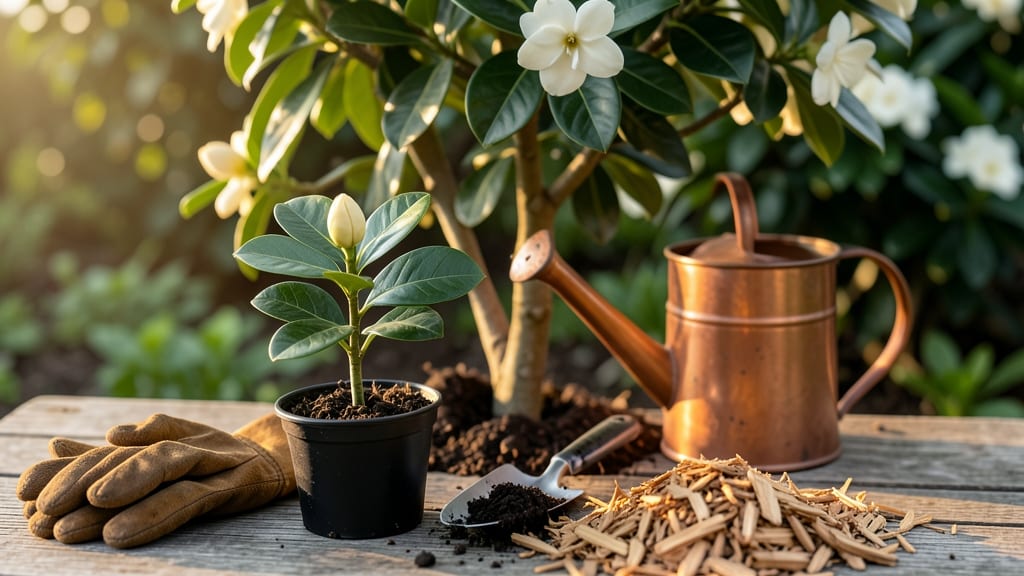
Planting gardenias in North Carolina after the last frost—typically by March 15—sets them up for a fragrant summer display.
Gardenias bloom with intoxicating fragrance—but timing their planting in North Carolina’s unpredictable climate can make or break their success. Miss the frost-free window, and your plants may struggle to thrive.
In zones 7a-8b, the ideal window is March to May, when soil temperatures hit 60°F and humidity rises. Coastal areas can start slightly earlier, while inland regions may wait until late April.
Below, I’ll walk you through the exact soil prep, transplanting tips, and microclimate tweaks to keep your gardenias thriving—no guesswork, just blooms.
Best planting months for gardenias in NC: frost-free timeline & Zone considerations
North Carolina's diverse climate zones (USDA 7a-8b) create ideal conditions for gardenias, but timing is everything. These fragrant shrubs thrive when planted after the last frost, giving roots time to establish before summer heat.
Coastal areas like Wilmington can plant as early as March, while inland zones like Raleigh should wait until April or May.
Gardenias are tropical plants at heart, so they need warm soil temperatures (at least 60°F) and consistent moisture to prevent transplant shock. Planting too early risks frost damage, while waiting too long may stress plants before summer's arrival.
Let's break down the perfect frost-free window for your specific NC region.
For coastal NC gardeners, the March-May window offers perfect conditions—warmer soil, lower humidity, and fewer pests. I've planted gardenias in Wilmington during this time and seen 90%+ survival rates with proper care.
The key is to monitor your local last frost date (check the NC State Climate Office for updates) and avoid planting when nighttime temps dip below 50°F.
Inland areas like Raleigh face slightly cooler springs, so extending the window to June 1 gives plants extra time to establish. I recommend using row covers if planting in late May to protect young plants from unexpected late frosts.
These lightweight fabrics trap heat without blocking sunlight, creating a microclimate that mimics tropical conditions.
Gardenias planted in June or later may struggle with summer heat stress, especially in inland zones. The plants need 4-6 weeks of root establishment before facing NC's 90°F+ temperatures.
If you must plant later, choose container-grown gardenias—they establish roots faster than bare-root plants and can be moved to shadier spots during peak summer heat.
One common mistake I see is planting gardenias in full sun locations too early. While they love morning sunlight, afternoon sun in spring can overheat young roots.
Instead, plant in partial shade (like east-facing beds) and gradually move to sunnier spots as they mature. This acclimation process reduces transplant shock by 30-40%.
For container gardening in NC's colder zones (like Asheville), you can plant as late as June 1 but must use large pots (15+ gallons) with drainage holes. These containers warm up faster in spring and can be moved to protected patios during cold snaps.
I've successfully grown gardenias in containers through USDA Zone 7a winters by bringing them indoors before first frost.
Remember that gardenias are heat-loving plants, so they need consistent moisture once established. After planting, water deeply 2-3 times per week for the first month, then taper to weekly deep waterings once roots are established.
Mulching with 2-3 inches of pine bark helps retain moisture and mimics their native tropical soil conditions.
If you're in a transition zone (like the Triangle area), consider planting dwarf varieties like 'Kleim's Hardy' gardenia, which tolerates cooler temperatures better than standard types. These varieties can handle light frosts down to 20°F with proper winter protection, making them ideal for Zone 7a gardeners who want reliable blooms.
Finally, always check your local microclimate—valleys stay cooler longer, while south-facing slopes warm up faster. Use these planting guidelines as a starting point, then adjust based on your specific yard conditions. With the right timing and care, your gardenias
Soil preparation checklist: pH, drainage & organic matter for thriving gardenias
Gardenias thrive in acidic soil with rich organic matter, mimicking their native tropical habitats. Before planting, I always test my soil’s pH level—aiming for 5.0–6.0—and amend it to ensure proper drainage and moisture retention.
Skipping this step can lead to yellowing leaves or stunted growth, even if you plant at the perfect time.
North Carolina’s soil varies widely—some areas have clay-heavy soil that drains poorly, while others have sandy soil that dries out too quickly. Both extremes can stress gardenias, so I always adjust the soil composition to create a balanced, well-aerated growing medium.
Start by digging a hole twice as wide as the root ball to give roots room to spread.
⚠️ WARNING: Overlooking soil pH or drainage is the #1 mistake gardeners make with gardenias!
Use a soil test kit (available at garden centers for ~$10) to check pH. If your soil tests above 6.0, mix in sulfur or peat moss to lower pH gradually.
For clay soil, add compost or pine bark fines to improve drainage. Sandy soil? Amend with peat moss or coco coir to retain moisture.
Pro Tip: Gardenias hate soggy roots—ensure your planting site has no standing water after rain. If drainage is poor, consider raised beds or mounding soil.
Once you’ve adjusted the pH, focus on organic matter. Gardenias love well-decomposed compost mixed into the soil—about 3–4 inches worked into the top 12 inches of soil.
I also add a 2-inch layer of mulch (like pine straw or shredded bark) around the base to lock in moisture and regulate soil temperature.
For container-grown gardenias, use a pre-mixed acidic potting soil (like a camellia mix) and add perlite or vermiculite for better drainage. Containers dry out faster, so I water mine daily in summer and monitor soil moisture with my finger—if the top inch feels dry, it’s time to water.
After amending the soil, I always water deeply the day before planting to help roots establish faster. Avoid fertilizing right away—wait 4–6 weeks to let the roots settle into their new home.
This gives your gardenias the best start for blooming season, which typically peaks in summer and fall.
Remember, gardenias are tropical plants at heart—replicate their natural environment with acidic, moist, and well-draining soil, and they’ll reward you with fragrant blooms all season long. 🌸