
Container Gardens
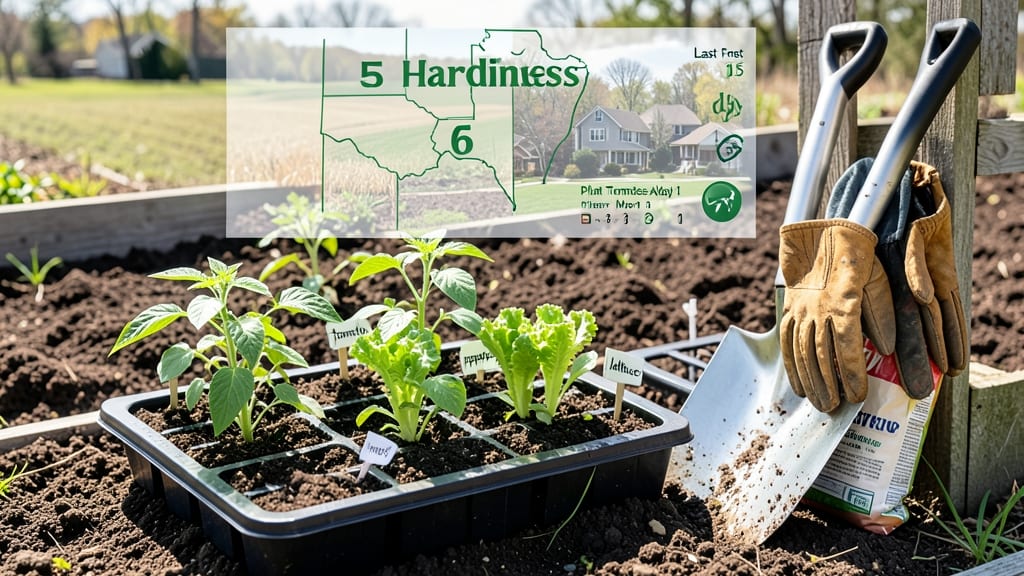
Planting gardens in Ohio at the right time means the difference between a bumper crop and a sad, frost-nipped mess—so timing your spring planting after the last frost (usually mid-April) is non-negotiable.
Ohio’s unpredictable spring weather can turn a gardener’s dreams into a frost-killed nightmare—but knowing the exact last frost dates for your crops ensures a thriving garden. Avoid costly mistakes by planting at the perfect time, tailored to Ohio’s microclimates and crop needs.
Cool-season crops like lettuce and peas can handle a light frost, but warm-season favorites like tomatoes and peppers need to wait until the soil warms to at least 60°F.
I’ll break down the ideal planting windows for every major crop, so you can start seeds indoors at the perfect time and transplant them just as the danger passes.
From extending your growing season with row covers to planning your fall harvest, this guide gives you the zero-risk timeline for Ohio’s most popular 🌱 General Garden Plants. No more guessing—just a foolproof schedule for a garden that thrives.
Ohio’s last frost dates by region: when to plant for zero frost risk
Ohio’s last frost dates vary dramatically across its 5 USDA hardiness zones (5a-6b), creating a challenge for gardeners who want to avoid frost damage to tender plants.
The Ohio State University Extension and NOAA data show these dates shift from early April in southern Ohio to mid-May in the northern regions. Knowing your exact last frost date means the difference between a thriving garden and a sad, frost-nipped failure.
For warm-season crops like tomatoes, peppers, and cucumbers, planting too early risks frost damage, while cool-season crops like spinach, kale, and peas need to be sown weeks before the last frost.
Below, I’ve broken down Ohio’s regions and the best times to plant for zero frost risk, so you can confidently start your garden.
Pro Tip: Always check your local microclimate—valleys and low-lying areas frost later than hills or urban zones. Use a frost-free date calculator or consult your county extension office for precise data.
| Region & USDA Zone | Avg. Last Frost Date | Cool-Season Planting Window | Warm-Season Planting Window | First Frost Date |
|---|---|---|---|---|
| Southwest Ohio (6a) | April 15 | March 15 - April 15 | April 20 - May 10 | October 20 |
| Central Ohio (6a) | April 22 | March 20 - April 20 | April 25 - May 15 | October 15 |
| Northeast Ohio (5b) | May 5 | April 1 - May 5 | May 10 - May 25 | October 5 |
| Northwest Ohio (5b) | April 28 | March 25 - April 25 | May 1 - May 15 | October 10 |
| Appalachian Ohio (5a) | May 10 | April 5 - May 5 | May 15 - June 1 | October 1 |
If you’re in Zone 6a (southwest and central Ohio), you can start planting warm-season crops like tomatoes and peppers as early as April 20, but hold off until May 10 in Zone 5a (Appalachian Ohio) to avoid frost. Cool-season crops like lettuce and radishes can go in the ground 4-6 weeks before your last frost date, while hardy greens like spinach can handle light frosts and should be sown even earlier.
For container gardening, warm-season plants can be moved outdoors 2-3 weeks after your last frost date, once nighttime temperatures stay above 50°F (10°C). This gives you a longer window to enjoy tomatoes, peppers, and basil without risking frost damage.
Always double-check soil temperatures—warm-season crops need soil at least 60°F (15°C) to thrive. Use a soil thermometer to confirm before planting. In cooler years, you might need to wait an extra week or two.
Remember, these dates are averages. Late frosts can still occur, so keep row covers or frost cloth on hand for tender seedlings. Planning ahead ensures your garden starts strong and stays that way all season long.
🌱
Best crops to plant after last frost in Ohio (with exact timing)
Once Ohio’s last frost date passes (typically April 15 in most regions), your garden awakens with endless possibilities. Warm-season crops like tomatoes and peppers crave the heat, while quick-growing beans and lettuce thrive in the mild spring soil.
But timing matters—plant too early, and frost zaps tender seedlings; too late, and you miss peak harvests.
Container gardens offer flexibility, allowing you to adjust planting times based on soil temperature and microclimates. For in-ground planting, wait until the soil reaches at least 60°F (15°C)—a simple soil thermometer tells you when it’s safe.
Ohio’s USDA zones 5b-6b mean some northern areas may need a 1-2 week delay compared to southern regions.
| Crop | Planting Method | Weeks After Last Frost | Container Notes | Soil Temp (°F) |
|---|---|---|---|---|
| Tomatoes | Transplant seedlings | 2-3 weeks | Use 5-gallon pots; prune suckers | 60°F+ |
| Peppers | Transplant seedlings | 3-4 weeks | Need full sun; 1 plant per 12" pot | 65°F+ |
| Green Beans | Direct sow seeds | 1-2 weeks | Sow in deep containers (12"+); trellis helps | 55°F+ |
| Lettuce | Direct sow or transplant | 0-1 week | Shade cloth for hot afternoons; harvest leaves | 45°F+ |
| Cucumbers | Transplant or direct sow | 2 weeks | Vining types need vertical space; 5-gallon pots | 60°F+ |
For container gardening, start warm-season crops like tomatoes and peppers indoors 6-8 weeks before Ohio’s last frost. Move them outside only after nighttime temperatures stay above 55°F (13°C). Containers warm up faster than in-ground soil, so monitor moisture—daily watering may be needed during heatwaves.
Cool-season crops like lettuce and spinach can handle light frosts, but plant them 1-2 weeks before the last frost for an early harvest. If you miss the window, opt for heat-tolerant varieties like Romaine lettuce, which thrives in 70°F+ soil.
Succession planting every 2 weeks ensures a continuous supply.
Pro tip: Use row covers to extend the season for heat-loving plants like eggplants or okra, which need 4-5 weeks after last frost. These covers trap warmth without blocking sunlight—ideal for Ohio’s unpredictable spring.
Always check the back of seed packets for exact days to maturity and adjust your timeline accordingly.