
Tools
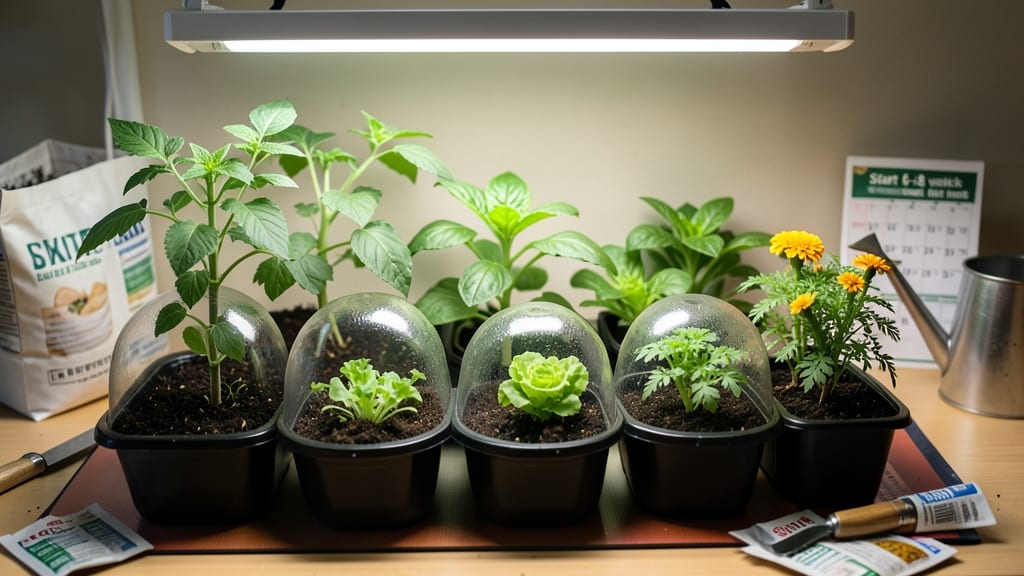
Starting garden seeds indoors 4-8 weeks before your last frost date is the secret to a bountiful harvest — get it wrong, and you’ll either be transplanting leggy seedlings or watching them bolt before they even fruit.
Picture this: You’ve got your seed trays ready, the soil is warm, and you’re counting down the days. But if you start too early, your seedlings will outgrow their pots and get root-bound. Start too late, and you’ll be scrambling to harden them off when the weather finally warms up.
This guide breaks down the exact timing for different plants, from fast-growing greens to slow-to-mature tomatoes, so you can avoid the common pitfalls. We’ll also cover how to adjust for early starts, succession planting, and what tools—like heat mats and grow lights—can give your seeds the best possible head start.
By the end, you’ll know exactly when to plant each seed type for your zone, how to troubleshoot delays, and why a little planning now saves you from frustration later.
Indoor seed starting timeline by plant type: frost dates to seed dates
Starting seeds indoors requires precision—plant them too early, and you’ll battle leggy seedlings; too late, and you’ll miss the growing season. The key is knowing your last frost date and each plant’s maturity timeline.
For most gardeners in USDA Zone 6a (like me!), this means starting seeds between January and March, but adjustments are needed for earlier or later frost zones.
Here’s my foolproof method: subtract the number of weeks to maturity from your last frost date (April 15 in my area) to determine when to start. For example, if your tomatoes take 80 days to mature, I start them 8 weeks before frost—around February 15.
This ensures they’re ready to transplant when soil warms up.
| Plant Type | Weeks Before Last Frost | Ideal Start Month (Zone 6a) | Notes |
|---|---|---|---|
| Tomatoes | 6-8 weeks | February-March | Use heat mats for faster germination |
| Peppers | 8-10 weeks | January-February | Slow growers; start early |
| Herbs (Basil, Cilantro) | 4-6 weeks | March-April | Basil bolts in heat; succession plant |
| Leafy Greens (Lettuce, Spinach) | 3-4 weeks | March-April | Fast growers; can direct sow too |
| Broccoli, Cabbage | 6-8 weeks | February-March | Cool-season crops; avoid heat stress |
| Flowers (Marigolds, Zinnias) | 4-6 weeks | March-April | Brighten up beds with early blooms |
For gardeners in warmer zones (7-10), adjust your timeline 1-2 months earlier. In colder zones (4-5), start seeds 6-8 weeks earlier to account for shorter growing seasons. Always check your seed packet for specific recommendations—some varieties, like eggplants, need 10-12 weeks of indoor head start.
Pro tip: Use a seedling heat mat for slow starters like peppers or tomatoes, which thrive in 70-85°F soil. Pair it with a grow light to prevent etiolation (those sad, stretched seedlings). My LED grow lights run 14-16 hours/day to mimic summer conditions.
Don’t forget succession planting! For bush beans or radishes, start a new batch every 2 weeks to ensure a continuous harvest. I sow radishes every 10 days from March to June—this keeps my kitchen stocked with crisp, sweet roots all season.
Regional adjustments matter. If you’re in Zone 5 with a May 10 last frost date, start tomatoes by March 15. In Zone 8 (last frost March 1), you can delay until January 15. Use the USDA Plant Hardiness Zone Map to find your exact frost dates.
Watch for seedling stress signs like yellowing leaves or stunted growth—these often mean your seedlings need more light or nutrients. I’ve learned the hard way that overwatering can drown seeds, while underwatering causes cracks in seed coats. Aim for consistently moist (not soggy) soil.
Finally, mark your calendar! Set reminders for transplanting dates (usually 1-2 weeks before last frost) and hardening-off (gradually exposing seedlings to outdoor conditions). My hardening-off schedule starts with 1 hour/day in partial shade, then increases to full sun over 7-10 days.
With this timeline, you’ll avoid the heartbreak of bolting herbs or overgrown seedlings
How to calculate your local seed starting window
Figuring out the perfect time to start seeds indoors can feel like solving a puzzle, but it’s all about matching your local frost dates with each plant’s maturity timeline. Miss the mark, and you’ll either have leggy, overgrown seedlings or plants that bolt before they’re ready to transplant.
The key is understanding how many weeks before last frost each variety needs to grow strong enough for outdoor life.
Start by finding your average last frost date—this is the golden number that dictates your indoor seed schedule. Most gardeners use the USDA Plant Hardiness Zone Map or local agricultural extension services to pinpoint this date.
For example, in Zone 6a, the last frost typically falls around April 15, but this shifts north or south depending on your location. Once you have this date, you’re ready to work backward using seed packet instructions and plant-specific growth charts.
Step-by-Step: Calculate Your Seed Starting Window
- 1 Find your last frost date: Use the USDA Zone Map or a frost calculator (like the Old Farmer’s Almanac) to determine your average last frost date. For Zone 6a, this is usually April 15.
- 2 Check seed packet instructions: Every seed packet lists how many weeks before transplanting to start seeds indoors. For example, tomatoes often need 6-8 weeks, while basil only requires 4-6 weeks.
- 3 Work backward from transplant date: Subtract the weeks to maturity from your last frost date. If your frost date is April 15 and tomatoes need 8 weeks indoors, start them by February 15.
- 4 Adjust for seedling heat maps: Use tools like the Johnny’s Selected Seeds Heat Map to fine-tune your schedule based on your microclimate. Coastal areas may have earlier frost dates than inland regions just 50 miles away.
- 5 Plan for succession planting: If you want multiple harvests, stagger your starts every 2-3 weeks. For example, sow lettuce every 10 days for a continuous supply from spring to fall.
- 6 Test your setup early: Start a few fast-growing seeds (like radishes) 4-6 weeks before your target date to troubleshoot lighting, temperature, and moisture issues before committing to your main crops.
Don’t overlook the power of seedling heat maps—these tools show how your local climate compares to other regions, helping you adjust for early or late frosts.
For instance, if you’re in a Zone 6a but experience late spring frosts, you might need to start seeds 2 weeks earlier than the average. Pro tip: Bookmark the Almanac’s Frost Calculator or use apps like Gardenate to automate these calculations for you.
Once you’ve nailed down your dates, create a seed starting calendar to track progress. Label each pot with the plant name and transplant date to avoid confusion. For example, mark your tomato seedlings as “Transplant May 1” so you know when they’re ready to move outside.
This system keeps you organized and ensures no seedling gets left behind.
Remember, light and temperature play critical roles in seedling success. If your windowsill isn’t bright enough, supplement with grow lights to maintain 12-16 hours of light daily. And if your home runs cool, use a seedling heat mat to keep soil temps between 70-80°F for faster germination.
With these tools and a little planning, you’ll have a perfectly timed indoor seed-starting schedule tailored to your garden’s needs. 🌱