Planting
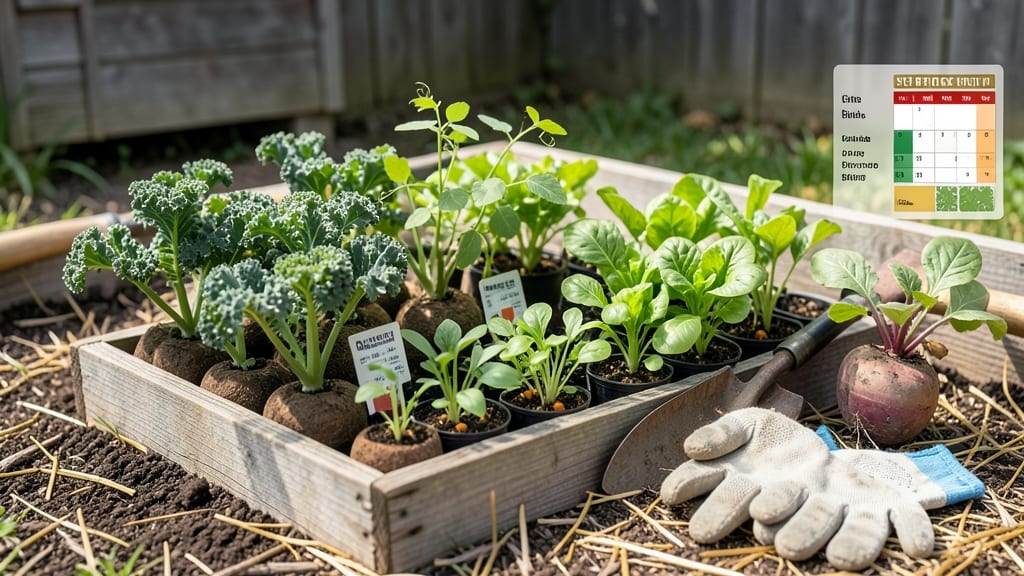
To plant a vegetable garden in Seattle, you’ll want to start cool-season crops like spinach and kale by March 15 and warm-season plants such as tomatoes and peppers after the last frost in mid-May—timing that avoids the city’s infamous rainy springs and early frosts.
Seattle’s unpredictable weather can make planning your vegetable garden a guessing game—but knowing the exact frost-free windows for each plant type ensures a bountiful harvest instead of wilted dreams.
In USDA Zone 8a, where spring rains linger and fall frosts sneak in early, the key is planting cool-season crops 4-6 weeks before your last frost and warm-season crops only after the danger has passed. This means no more guessing when to sow seeds or transplant seedlings.
Below, I break down the perfect planting schedule for Seattle’s climate, including adjustments for urban microclimates, succession planting tips, and how to extend your growing season with row covers and cold frames.
Seattle’s frost-free planting zones: key dates by last spring & first fall frost
Seattle’s USDA Zone 8a/8b climate gives gardeners a 170-day frost-free window, but timing is everything. The average last spring frost arrives around March 15, while the first fall frost typically hits October 15.
These dates create your planting framework—but microclimates like the Puget Sound’s coastal chill or the Eastside’s warmer valleys can shift windows by 2-3 weeks.
Cool-season crops like spinach and kale thrive in Seattle’s mild winters, while tomatoes and peppers need the longer summer heat. Understanding these patterns helps you avoid frost damage or bolting greens—two common Seattle gardening pitfalls.
Let’s break down the exact planting windows for your most-loved veggies, plus how to adjust for local variations.
🌱 Pro Tip: Use row covers to push cool-season planting 2-3 weeks earlier in spring or extend fall harvests by 4-6 weeks. This hack is a game-changer for Seattle’s short growing season!
| Plant Type | Planting Window | Last Frost Buffer | Microclimate Adjustments |
|---|---|---|---|
| Cool-Season Crops (Spinach, Kale, Lettuce) | March 1 - April 15 (spring) / August 1 - September 15 (fall) | 4-6 weeks before last frost | Puget Sound: Plant 1 week later; Eastside: 1 week earlier |
| Warm-Season Crops (Tomatoes, Peppers, Cucumbers) | May 15 - June 15 (after last frost) | 2 weeks after last frost | Eastside: Start 10 days earlier; Puget Sound: Wait 10 days longer |
| Root Vegetables (Carrots, Beets, Potatoes) | March 15 - April 30 (spring) / July 1 - August 15 (fall) | 3-4 weeks before last frost | Well-draining soil critical; Eastside handles fall planting better |
| Herbs (Basil, Cilantro, Dill) | April 1 - May 10 (spring) / July 15 - August 10 (fall) | 2 weeks after last frost (basil) | Cilantro bolts fast; use shade cloth in summer |
| Succession Planting (Beans, Radishes, Lettuce) | Every 2-3 weeks from March to August | Continuous harvest strategy | Radishes ready in 30 days; replant every 3 weeks |
For cool-season crops, start seeds indoors 4-6 weeks before your target planting date.
For example, spinach seeds sown February 15 will be ready to transplant by March 15, just as the risk of frost drops. Kale, one of Seattle’s hardiest greens, can even handle a light frost—so don’t rush to harvest it before October 1!
Warm-season crops like tomatoes and peppers are trickier. Soil temperatures must reach 60°F+ for germination, which typically happens by mid-May in most of Seattle.
The Eastside’s warmer microclimate (like Kenmore or Snoqualmie) may allow planting 10 days earlier, while coastal areas like Bainbridge Island might need to wait until late May.
Seattle’s rainy season (October–April) can delay planting. Always check soil moisture—soggy soil slows germination. Amend with compost to improve drainage, especially in low-lying urban areas where water pools. A simple soil test (available through WSU Extension) will reveal if your soil needs sand or organic matter.
🌡️ Microclimate Matters: Urban heat islands (like downtown Seattle) can be 5–10°F warmer than rural areas. Use this to your advantage: plant heat-loving crops like eggplants in city gardens 2 weeks earlier than in cooler suburbs. Conversely, Puget Sound’s marine layer keeps areas like Bremerton cooler—delay warm-season planting by 1–2 weeks.
Don’t forget fall planting! Many Seattle gardeners miss that August–September window is perfect for broccoli, cabbage, and carrots. These crops thrive in cool fall weather
Best vegetables to plant in Seattle by season: a month-by-month guide
Seattle’s mild but unpredictable climate means timing is everything for a successful vegetable garden. Unlike hotter climates, we can’t just plant when it feels warm—cool-season crops thrive in spring and fall, while warm-season plants need precise frost-free windows.
I’ve grown ‘Cherokee Purple’ tomatoes in late July and ‘Winterbor’ kale through November, and the key is knowing exactly when to start each variety.
Seattle’s USDA Zone 8a/8b gives us a 170-day frost-free season, but microclimates (like the Puget Sound’s marine influence) can shift planting dates by weeks. Urban areas may warm faster than rural spots, so adjust based on your yard’s exposure.
The goal? Continuous harvests by layering succession plantings—think lettuce every 2 weeks or beans every 3 weeks.
📅 Seattle’s Month-by-Month Planting Calendar
- March-April: Start cool-season crops indoors (e.g., ‘Black Seeded Simpson’ lettuce) or direct-sow peas, spinach, kale. Harden off seedlings by mid-April for outdoor planting.
- May: Plant asparagus crowns (perennial) and broccoli after last frost (~May 10). Use row covers for early cabbage to protect from flea beetles.
- June: Warm up soil for tomatoes, peppers, eggplants (wait until soil hits 60°F). Transplant ‘Stupice’ tomatoes after June 15 for best flavor.
- July-August: Succession plant bush beans, carrots, radishes every 2 weeks. Start fall greens (e.g., ‘Winterbor’ kale) indoors by late July.
- September: Direct-sow spinach, arugula, turnips for fall harvests. Extend tomato season with cold frames for ‘Sungold’ cherry tomatoes.
- October-November: Harvest kale, carrots, beets before first frost. Plant garlic cloves for next year’s crop.
🌱 Pro Tip: Seattle’s rainy springs mean raised beds or containers work best for delicate seedlings like basil.
For warm-season crops, I’ve learned ‘Cherokee Purple’ tomatoes need full sun and warm soil—plant them after June 1 to avoid blossom-end rot.
Meanwhile, ‘Winterbor’ kale sweeten after frost, so I sow it in late July for a November harvest. Succession planting is non-negotiable: Radishes mature in 25 days, so sow every 2 weeks from May to August.
Don’t overlook perennials like asparagus—plant crowns in early spring (March) for harvests in years 2-3. And if you love herbs, cilantro bolts in heat, so grow it in spring and fall only. Dill, however, thrives in summer’s longer days—plant it in June for continuous blooms.
Seattle’s short but productive growing season rewards those who plan ahead. I’ve had ‘Sungold’ cherry tomatoes ripen in October with a cold frame, and ‘Winterbor’ kale lasts until December with a row cover.
The secret? Start cool crops early, protect warm crops late, and never skip succession plantings.
For container gardening, stick to compact varieties like ‘Tiny Tim’ tomatoes or ‘Little Gem’ lettuce. Containers warm faster than soil, so plant warm-season crops 2 weeks earlier than in-ground. And always mulch heavily—Seattle’s cool, wet springs can stunt growth if soil stays too cold.
🌿 Ready to grow? Bookmark this calendar and adjust for your yard’s microclimate. Seattle’s gardeners prove you can harvest fresh veggies year-round with the right timing—and a little creativity!