
How To
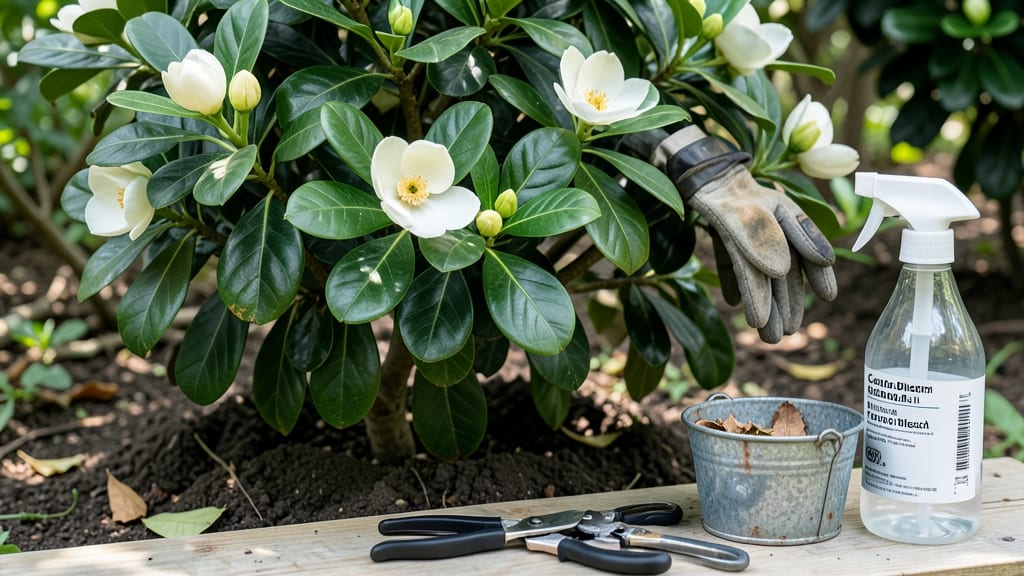
Trimming gardenia bushes after they bloom is the key to next year’s fragrant abundance 🌸 — and getting it wrong can leave you with sparse, leggy shrubs.
Picture this: You’ve waited all spring for those iconic white blooms, only to watch them fade into a tangled mess. The secret? Pruning at the right moment—when the flowers have dropped and the plant is gearing up for new growth.
Miss this window, and you risk stunting next season’s blooms or even stressing the shrub.
In USDA Zone 6, the best time to trim gardenias is late summer to early fall, just as the last flowers fade. This timing encourages fresh, healthy growth while avoiding the dormant winter months when the plant conserves energy.
But climate matters—warmer regions might shift this slightly, and heavy pruning in the wrong season can backfire.
Below, I’ll walk you through the exact steps to prune your gardenia for fuller blooms, how to spot when it’s time to act, and the tools that make the job easier—without sacrificing a single petal.
Best time to prune gardenia bushes for maximum blooms
If you’ve ever wondered when to trim gardenia bushes for the most stunning blooms, timing is everything. These fragrant shrubs thrive when pruned during their post-bloom window—typically between late summer and early fall.
This critical period ensures next year’s flowers develop properly while keeping your gardenia healthy and lush. Pruning at the wrong time, like after mid-fall or before spring growth, can stunt blooms or stress the plant.
Gardenia bushes bloom on old wood, meaning their flowers form on branches from the previous year. If you prune too late, you risk cutting off next year’s flower buds before they form.
Conversely, pruning too early—like during spring growth—can remove potential blooms for the current season. The key is patience and precision to balance shape and future flowering.
Regional climates also play a role. In USDA Zone 6 (like much of the Midwest), aim to prune between late August and early October when temperatures start cooling. In warmer zones (like Zones 8-10), you can extend pruning into early winter, but avoid pruning during heatwaves or drought stress, which weakens the plant.
In humid climates, like the Southeast, prune slightly earlier (July-August) to prevent fungal issues from wet foliage. Meanwhile, in dry regions (e.g., Southwest), wait until September to avoid heat stress during pruning.
Always use sterilized pruners to prevent disease spread, and water deeply 24 hours before pruning to reduce shock.
One common mistake is pruning right after blooms fade. While it’s tempting to tidy up, gardenias need time to set buds for next season. Wait until 4-6 weeks post-bloom—this ensures you’re not sacrificing future flowers.
For example, if your gardenia blooms in June, hold off pruning until late July or August.
If you live in a cooler climate (e.g., Zone 5), prune in early fall but cover the base with mulch to protect roots from early frosts.
In warmer zones, you can prune as late as November, but avoid pruning during rainy periods, which can lead to root rot.
Pro tip: Mark your calendar based on your gardenia’s bloom time. If it flowers in spring, prune in late summer; if it blooms in summer, aim for early fall.
This simple adjustment can double your blooms next season! For potted gardenias, the same rules apply, but prune slightly more aggressively to encourage bushier growth.
Remember, gardenias reward patient pruning. By following this post-bloom window, you’ll enjoy healthier plants, more fragrant blooms, and fewer pests—all while keeping your gardenia looking its best year-round. Happy pruning! 🌸
Step-by-step guide to pruning gardenia bushes correctly
Pruning your gardenia bushes correctly ensures vibrant blooms and a healthy shape. The right technique removes deadwood while encouraging new growth—but timing and method matter.
I’ll walk you through every step, from tools to cuts, so your gardenia thrives for years. Start by gathering the right supplies before diving in.
Use sharp, sterilized pruners or bypass shears to make clean cuts. Avoid dull tools—they crush stems and invite disease. Pair them with gloves (gardenia thorns are sharp!) and a disinfectant (rubbing alcohol works) to prevent spreading pests.
I also recommend having a bucket for clippings and a sharp pencil to mark cuts if needed.
When to Trim Gardenia Bushes
- 1 Post-Bloom Timing: Prune 4-6 weeks after flowering (late summer to early fall). This allows buds to form for next year’s blooms.
- 2 Climate Adjustments: In warmer zones (8+), prune in early fall to avoid heat stress. In cooler zones (6-7), wait until early spring before buds swell.
- 3 Avoid Winter Pruning: Never trim in winter—dormant plants won’t recover well, and you risk frost damage to fresh cuts.
- 4 Light Pruning Exceptions: Remove dead or diseased branches anytime, but keep cuts minimal to avoid stressing the plant.
Begin by removing dead, diseased, or crossing branches. Cut these back to the main stem or nearest outward-facing bud. This improves airflow and reduces pests. Next, shape your gardenia by trimming overgrown stems to maintain its natural form.
Aim to keep the bush open and airy—gardenia bushes hate crowded centers where moisture traps.
For new growth stimulation, focus on cutting just above a leaf node or bud. Avoid leaving stubs—these can rot. If your gardenia has long, leggy stems, shorten them by one-third to encourage bushier growth. Always step back occasionally to check your progress; symmetry matters for a polished look.
After pruning, sterilize your tools again and dispose of clippings in a sealed bag (don’t compost diseased branches). Water your gardenia deeply to help it recover, and apply a balanced fertilizer (like 10-10-10) in 4-6 weeks to support new growth.
Avoid heavy fertilizer right after pruning—it can burn tender new shoots.
Common mistakes include pruning too late in fall (stops bud formation) or over-trimming (weakens the plant). I’ve seen gardeners cut back flowering stems by accident—this eliminates next year’s blooms! If you’re unsure, start with light pruning and observe how your gardenia responds before making drastic cuts.