
Blooming
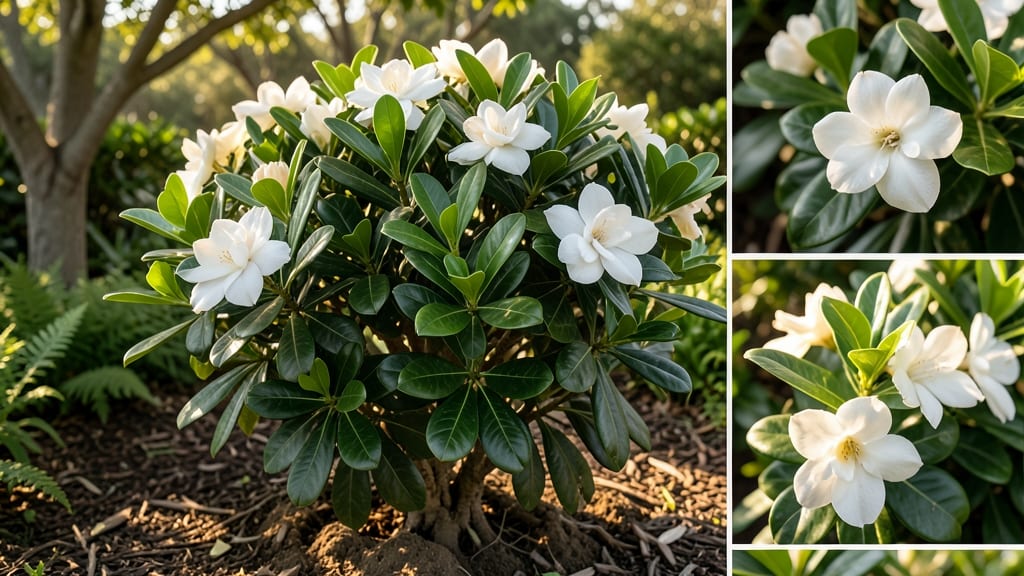
Gardenia bushes bloom in late spring through early summer, with timing that shifts dramatically depending on your climate zone — and getting it wrong means waiting a whole year for those fragrant white flowers.
Picture this: you’ve spent months nurturing your 🌸 gardenia, only to watch buds form and then drop without opening. That’s often a sign of planting too early in cooler zones or missing the sweet spot of 60–70°F temperatures.
In USDA Zone 6a, blooms may not even appear until June, while Southern gardeners can enjoy them as early as April.
But here’s the good news: with the right care — like pruning after last year’s flowers fade and keeping soil acidic — you can coax earlier blooms or extend the season.
I’ll walk you through the exact months for your zone, plus the 3 key adjustments that make all the difference.
Whether you’re in a humid coastal area or a drier inland region, knowing when to expect those intoxicating blooms (and how to encourage them) turns frustration into a fragrant success. Let’s get started.
Gardenia bloom timing by USDA climate zones: month-by-month guide
Gardenias are famous for their intoxicating fragrance and glossy, dark green leaves, but their blooming windows vary dramatically across USDA hardiness zones. In warmer zones like 9-11, you might enjoy year-round blooms, while gardeners in zones 5-6 face shorter, more seasonal displays.
Understanding these patterns helps you plan pruning and fertilizing for maximum impact.
The key to predicting gardenia blooms lies in temperature triggers. Most varieties need consistent warmth (above 60°F/15°C) to set buds and humidity levels above 50% for healthy flowers. Coastal areas often bloom earlier than inland zones due to moderate temperatures and ocean breezes that retain moisture.
Below is a zone-by-zone breakdown of when gardenias typically bloom, including early bloomers, peak seasons, and late-season extensions. Use this as your garden planning calendar to time pruning, fertilizing, and even wedding bouquet harvests!
In USDA zones 5-6, gardenias are late bloomers, typically waiting until late May or June to open their first flowers. This delay happens because cooler spring temperatures slow bud formation. To encourage earlier blooms, plant in south-facing locations and use black plastic mulch to warm the soil faster.
Gardeners in zones 7-8 enjoy the longest blooming windows, often from May through September. The humid summers of the Southeast create ideal conditions, but afternoon shade is crucial to prevent bud drop from heat stress.
Coastal areas in these zones may see earlier blooms (as early as April) due to moderate ocean temperatures.
Southern gardeners in zones 9-10 have the advantage of year-round blooming potential. While peak season runs from May to September, many varieties produce light blooms in winter if temperatures stay above 50°F/10°C. This makes gardenias perfect for winter weddings in Florida or Southern California!
Coastal gardeners in zone 11 experience the most continuous blooming, with flowers appearing year-round. The steady humidity and warm nights prevent bud drop, but strong afternoon sun can scorch leaves. Use dappled shade (like palm fronds) to protect foliage while maintaining bright indirect light.
Regional variations matter! For example, Houston (zone 9) gardenias may bloom earlier than those in Phoenix (zone 10) due to higher humidity. Similarly, San Diego (zone 10) gardenias often bloom later than those in Miami (zone 11) because of cooler coastal breezes.
Always observe your local microclimate for the most accurate timing.
Pro tip: Track your gardenia’s blooms for 3 years to spot your personalized pattern. Note when buds form, open, and drop—this helps you adjust pruning and fertilizing for next year’s best display.
A simple garden journal with photos of bud stages can reveal hidden clues about your plant’s unique rhythm.
🌸
How to extend your gardenia’s blooming season naturally
Want your gardenias to burst into fragrant blooms earlier—or keep flowering longer? The secret lies in understanding their natural rhythms and giving them the right conditions. Gardenias typically bloom in late spring to early summer, but with intentional care, you can coax them into earlier or extended displays.
The key is working with their light preferences, pruning habits, and seasonal needs—all while avoiding common pitfalls that stifle blooms.
Start by adjusting your gardenia’s sunlight exposure. These shade-loving plants thrive with morning sun and afternoon shade, but too much direct light can stress them.
If your gardenia is in a cooler climate (zones 7-9), provide a lightweight shade cloth (30-50%) during peak afternoon sun to prevent leaf scorch. In warmer zones (10+), they can handle more sun, but always ensure they get filtered light to avoid heat stress.
🌸
- 1 Prune after blooming to encourage new growth and next year’s buds. Use clean, sharp shears to trim back 1/3 of the plant, focusing on overcrowded or leggy branches. Avoid heavy pruning in fall or winter, as this can delay spring blooms.
- 2 Feed in early spring with an acid-loving fertilizer (8-3-9 NPK) to jumpstart blooming. Apply 1 tbsp per plant when you see new growth emerge, and repeat every 6-8 weeks during the growing season. Avoid high-nitrogen fertilizers, which promote leafy growth over flowers.
- 3 Water deeply in the morning to keep soil consistently moist but not soggy. Gardenias hate dry soil or waterlogged roots, both of which can cause buds to drop. Mulch with 2-3 inches of organic matter (like pine bark) to retain moisture and mimic their tropical forest habitat.
- 4 Adjust care for your climate. In cooler zones (7-9), protect plants from late spring frosts with a light frost cloth or move potted gardenias indoors temporarily. In hotter zones (10+)afternoon shade and increase watering during heatwaves to prevent bud drop.
- 5 Encourage a second flush by lightly pruning spent blooms and providing consistent care through summer. Some gardenias will produce a smaller second bloom in late summer if they’re healthy. Avoid heavy pruning after mid-summer, as this can disrupt next year’s buds.
Another game-changer is seasonal adjustments. In spring, focus on revitalizing the plant with a light fertilizer and ensuring even moisture. As summer arrives, shift to morning watering only and monitor for pests like aphids or spider mites, which can stress the plant and reduce blooming.
In fall, reduce watering slightly and stop fertilizing to prepare the plant for dormancy.
For potted gardenias, container size matters. If your plant is root-bound, it won’t have the energy to produce blooms. Repot every 2-3 years into a slightly larger container with well-draining, acidic soil.
Also, rotate the pot every few weeks to ensure even sunlight exposure on all sides, which promotes balanced growth and blooming.
With these natural extensions, you can enjoy your gardenia’s fragrant blooms for 4-6 weeks longer than average—or even coax them into earlier spring blooming. The key is consistency: prune at the right time, feed strategically, and protect from environmental stresses.
Soon, your garden will be filled with the intoxicating scent of gardenias for months to come! 🌿