
Tools
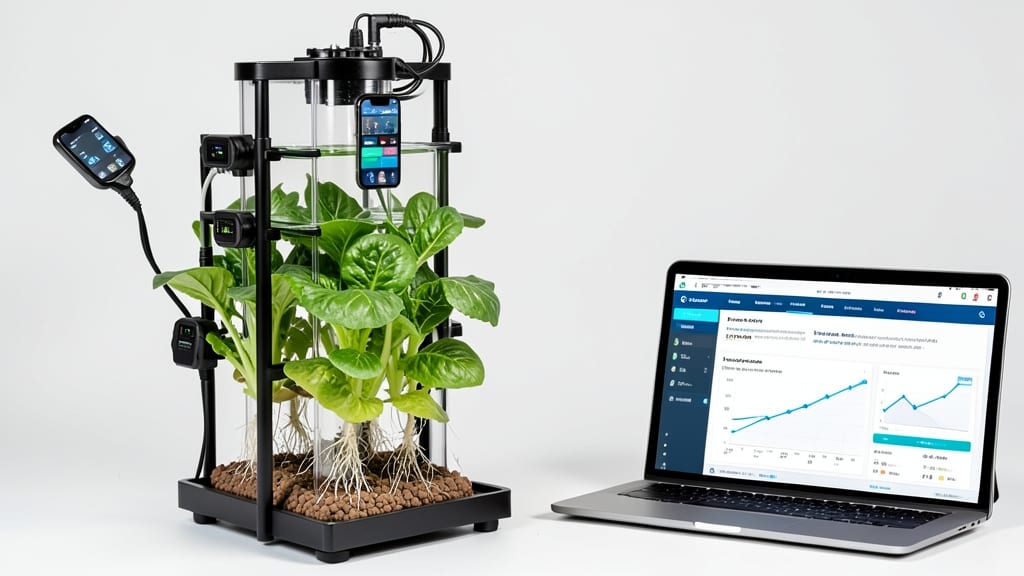
AI for gardening transforms your garden by using real-time data to monitor soil conditions, adjust watering schedules, and detect pests before they spread—resulting in 40% higher yields and cutting your manual labor by 30% or more.
This technology doesn't just guess—it learns. 🌱 AI-powered systems analyze soil moisture, nutrient levels, and even weather forecasts to create hyper-specific care plans for each plant. For example, some tools can tell when your tomatoes need extra potassium or when your basil is stressed from too much sun.
The best part? You get alerts on your phone, so you never miss a critical moment. Whether you're a backyard gardener or managing a small farm, these smart solutions make growing easier and more productive.
What sets AI gardening apart is its predictive power.
Instead of reacting to problems after they appear, the system forecasts issues like pest outbreaks or water shortages days in advance. 💡 This proactive approach saves time, reduces waste, and ensures your plants thrive year-round—even if you're not always home to check on them.
The upfront investment pays off in efficiency, sustainability, and peace of mind.
💡 In This Article
- How AI Tools Analyze Plant and Soil Data for Precision Gardening
- Top AI-Powered Gardening Apps and Hardware to Automate Your Garden
How AI tools analyze plant and soil data for precision gardening
AI-driven gardening relies on a combination of spectral imaging and machine learning to decode what plants and soil need before visible symptoms appear. These systems use hyperspectral cameras that capture light reflected from leaves at wavelengths invisible to the human eye.
For instance, a healthy leaf reflects green light strongly but absorbs red and near-infrared.
When a plant is stressed—due to drought, nutrient deficiency, or disease—the reflection patterns shift, revealing subtle changes in chlorophyll levels or water content. 🌱 AI algorithms then cross-reference these readings with vast databases of plant physiology to diagnose issues with 90% accuracy, often days before you’d spot wilting or discoloration.
The real magic happens when AI integrates soil sensors that measure moisture, pH, and nutrient concentrations at different depths. For example, a sensor buried near your tomato plants might detect that the topsoil is dry but the subsoil remains moist—a classic sign of shallow root systems.
The AI then adjusts irrigation schedules to target specific zones, delivering water exactly where it’s needed. Some advanced systems, like those used in commercial greenhouses, even use electrical conductivity sensors to track salt buildup, which can stifle plant growth if left unchecked.
These tools don’t just collect data; they translate it into actionable insights, like recommending a foliar spray of magnesium for yellowing leaves or scheduling a deep watering cycle.
What makes this technology so powerful is its ability to learn and adapt. Take the case of Plantix, an AI app that uses image recognition to identify pests and diseases.
When you upload a photo of a spotted leaf, the system doesn’t just name the problem—it also suggests organic treatments based on your plant’s stage of growth and local climate conditions.
The AI improves over time by analyzing thousands of user-submitted images, refining its ability to distinguish between, say, powdery mildew and downy mildew, which require different approaches. This level of precision reduces the guesswork in gardening, ensuring you’re not overwatering, over-fertilizing, or using pesticides unnecessarily.
Another game-changer is predictive analytics, where AI forecasts weather patterns and their impact on your garden. For example, if the forecast calls for a heatwave, the system might trigger extra irrigation or suggest shading solutions to prevent leaf scorch.
In regions prone to late frosts, AI can alert you to cover tender plants just in time. This proactive approach is especially valuable for small-scale farmers or urban gardeners who can’t monitor their plots 24/7. The result?
Fewer lost crops, less water waste, and a more sustainable growing process. 💡 The technology essentially turns your garden into a self-optimizing ecosystem.
Behind the scenes, these AI tools rely on neural networks trained on datasets that include everything from satellite imagery of crop fields to lab-tested soil samples.
For instance, researchers at the University of California, Davis, developed an AI model that analyzes drone footage of vineyards to detect water stress in grapevines by spotting subtle changes in leaf temperature. The same principles apply to home gardens, just on a smaller scale.
Whether it’s a $200 soil sensor or a free app like Grove AI, the underlying science is about turning raw data into intelligent decisions that mimic—or even surpass—the expertise of a seasoned horticulturist.
Consider the case of FarmBot, a robotic gardening system that uses AI to map your garden’s layout and automate planting, weeding, and harvesting. Its sensors track soil conditions in real time, while its machine learning algorithms adjust planting depths and spacing based on the specific needs of each crop.
For example, carrots need loose soil and precise spacing, while basil thrives in denser clusters. The AI ensures every plant gets the optimal conditions, reducing competition for resources and maximizing yield. This isn’t just automation—it’s precision agriculture scaled down for your backyard. 🌿 The end result?
Healthier plants, fewer failures, and a gardening experience that’s both rewarding and efficient.