
Container Gardens
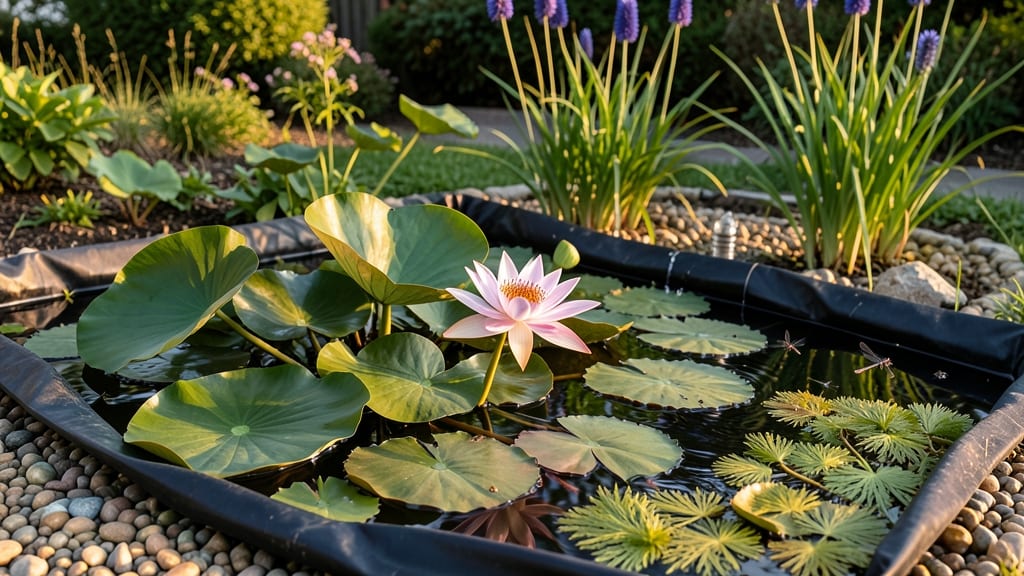
Finding aquatic gardens near you reveals tranquil havens featuring vibrant water lilies, graceful koi ponds, and meticulously curated aquatic plant collections. These living exhibits often include guided tours and seasonal displays that celebrate both native and exotic water-dwelling species.
These botanical wonders go beyond simple gardens—they create complete ecosystems where you can observe rare lotus varieties, floating ferns, and even carnivorous plants in action. 🌿 Many feature educational signage explaining each species' ecological role, making them perfect for families or nature enthusiasts.
I always recommend visiting during spring or summer when most gardens host special events like pond dipping programs or nighttime lantern tours that highlight aquatic life after dark.
Most aquatic gardens are tucked within larger botanical centers or nature preserves, so they often pair beautifully with other attractions like butterfly houses or native plant trails. Pro tip: call ahead to confirm seasonal hours, as some gardens close their aquatic sections during winter months when water plants become dormant.
💡 In This Article
- What Makes Aquatic Gardens Unique Botanical Experiences
- How to Find and Plan Your Visit to Nearby Aquatic Gardens
What makes aquatic gardens unique botanical experiences
Aquatic gardens create self-sustaining ecosystems where water plants thrive through natural filtration systems.
Unlike traditional gardens, these spaces rely on biological processes—like submerged plants absorbing excess nutrients and beneficial bacteria breaking down organic matter—to maintain crystal-clear water. 🌊 The most prized species, such as water lilies (Nymphaea spp.) and lotuses (Nelumbo spp.), often bloom seasonally, with their large leaves providing shade that regulates water temperature and supports fish habitats.
Pond design follows precise principles to mimic natural wetlands. For example, the depth typically ranges from 1-3 feet in planting zones to 4-6 feet in central areas, allowing both shallow-rooted plants (like pickerelweed) and deeper-water species (such as water hyacinth) to coexist.
Gardens often incorporate gentle slopes and natural rock formations to prevent erosion while creating habitats for amphibians and invertebrates. The result is a visually stunning display that also functions as a working ecosystem.
Many aquatic gardens prioritize conservation by cultivating rare or endangered species. Take the case of the yellow flag iris (Iris pseudacorus), which thrives in these environments and helps filter heavy metals from water—a critical function in urban ponds.
Visitors often encounter educational displays explaining how each plant contributes to the garden's health, from oxygenating roots to providing food for pollinators. 🐝 These gardens serve as living laboratories where horticulture and ecology intersect.
The sensory experience is what truly sets aquatic gardens apart. The gentle sound of water moving through plants, the cool mist on warm days, and the vibrant colors of blooming water hyacinth create an immersive atmosphere.
Unlike static botanical displays, these gardens evolve with the seasons—spring brings delicate floating ferns, summer showcases lotus blooms, and autumn reveals striking seed heads. The tactile experience of touching broad lily pads or observing koi gliding beneath the surface adds another dimension.
What most people don't realize is how these gardens support local biodiversity. A well-designed aquatic garden can become a sanctuary for species like dragonflies, frogs, and even migratory birds.
The presence of 3-5 native fish species (such as bluegill or sunfish) helps maintain the food chain, while amphibians benefit from the moist microclimate. Some gardens even participate in species recovery programs, growing plants that are critical for endangered wildlife habitats.
For those interested in horticulture, aquatic gardens offer hands-on learning opportunities. Many feature demonstration areas showing different pond construction techniques, from naturalistic designs to formal geometric layouts. You'll often find volunteers or staff available to explain pruning techniques for water plants or demonstrate how to create miniature ecosystems in containers.
This practical knowledge makes aquatic gardens valuable resources for both casual visitors and serious gardeners.