
Light Requirements
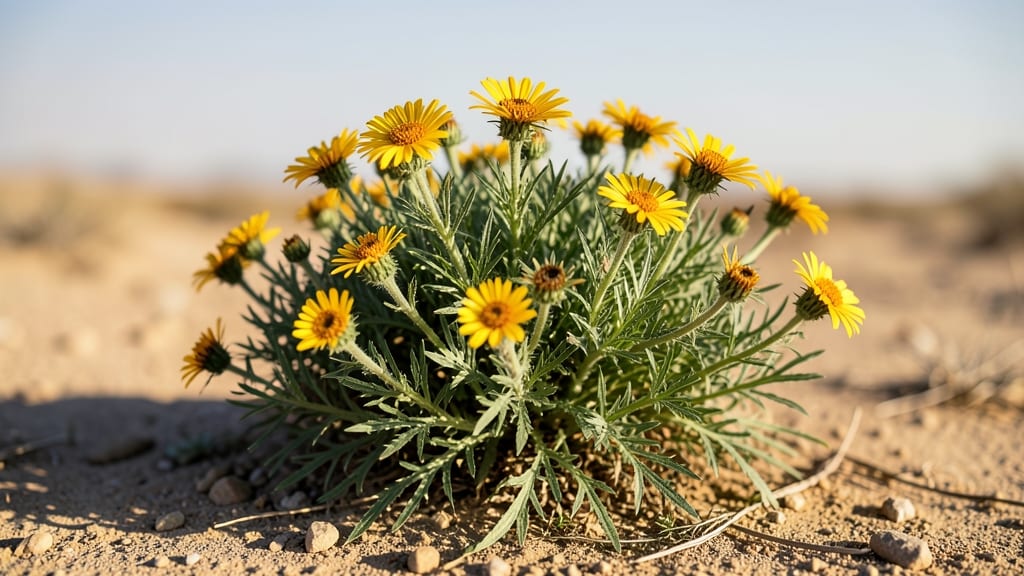
Arizona's gardening zones span USDA Hardiness Zones 4 to 11, with most areas falling between Zones 7 and 10 due to extreme heat and elevation shifts. Lowland deserts like Phoenix thrive in Zones 9-10, while mountain regions such as Flagstaff support Zones 6-7 plants. Water conservation is essential across all zones.
Arizona's diverse geography creates dramatic growing conditions—think 110°F desert summers in one area and 30°F mountain nights just 100 miles away. 🌵 This extreme variation means your zone isn't just about numbers; it's about understanding microclimates.
For example, Tucson's urban heat island effect pushes Zone 9 plants into Zone 10 territory, while higher elevations near Sedona may need Zone 7 cold-hardy varieties. The key?
Match plants to your specific elevation and aspect (north-facing slopes stay cooler than south-facing ones), and always prioritize drought-tolerant species that match your local rainfall patterns.
What sets Arizona apart is how elevation changes plant hardiness faster than in most states. A 1,000-foot climb can shift you from Zone 9 to Zone 7 overnight. That's why I recommend checking your exact elevation on the USDA map—it's not just about the city name.
For instance, Scottsdale (Zone 9b) can grow bougainvillea year-round, while just 5,000 feet higher in the White Mountains, you'd need to treat it as an annual.
💡 In This Article
- How Arizona’s Climate Affects Plant Hardiness Zones
- Top Drought-Resistant Crops for Each Arizona Gardening Zone
How Arizona’s climate affects plant hardiness Zones
Arizona’s extreme elevation shifts create one of the most dramatic gardening zone variations in the U.S. The Sonoran Desert at sea level (like Yuma) sits in Zone 10b, where temperatures routinely hit 115°F in summer, while just 7,000 feet up in Flagstaff, you’re in Zone 6a with winter lows near 10°F.
This 1,000-foot rule means every 1,000 feet of elevation gain drops your zone by about one letter—so a 5,000-foot climb could shift you from Zone 9 to Zone 6. 🌵 The USDA’s static zone map doesn’t capture this fluidity, which is why local microclimates matter more than the official zone label.
The real game-changer is Arizona’s diurnal temperature swings—daytime highs can exceed 100°F while nights drop to 50°F or lower. Plants in Zone 9b (like Phoenix) must handle 120°F+ soil temperatures, while those in Zone 7a (e.g., Prescott) face 20°F frost risks.
This means heat-tolerant species like agave or yucca thrive in low deserts, but apricots or cherries need the cooler high-desert Zones 6-7. Even within cities, urban heat islands push Zone 9 plants into Zone 10 conditions—like bougainvillea surviving year-round in Scottsdale but struggling in nearby cooler pockets.
What most gardeners miss is how aspect and slope alter microclimates. A north-facing slope in Sedona (Zone 7b) might stay 10°F cooler than a south-facing one, extending the growing season for heat-sensitive crops like peppers or tomatoes.
Meanwhile, desert wash bottoms collect moisture and stay 5-10°F cooler than surrounding areas, creating pockets where Zone 8 plants (like olives) can thrive despite being in a Zone 9 region.
This is why I always recommend testing your specific spot’s conditions—shade, soil type, and water access can override the zone map.
Another critical factor is precipitation patterns. The 10-inch rainfall line (roughly Zone 7-8) separates desert-adapted plants from those needing more moisture. Below this line, mesquite and paloverde dominate, while above it, pinyon pine and manzanita take over.
Even within the same zone, rainfall can vary wildly—Tucson’s 12 inches/year supports ocotillo, while Flagstaff’s 20 inches/year allows for apples and blueberries. This is why drought-resistant natives are non-negotiable in lower zones, while higher elevations can handle more traditional garden plants.
Seasonal shifts add another layer of complexity. The monsoon season (July-September) brings sudden downpours that can drown shallow-rooted plants if not managed, while winter freeze events (even in Zone 9) can kill tender species overnight.
For example, a 28°F dip in Phoenix (Zone 9a) might devastate citrus trees if they’re not cold-hardy varieties. This is why I recommend seasonal layering—planting heat-lovers in summer and cold-tolerant species in winter—to maximize year-round growth. 🌡️
Finally, soil composition plays a hidden role. The caliche layer (hardpan) in desert zones restricts root depth, forcing plants to develop shallow, drought-resistant systems, while the volcanic soils in higher elevations retain moisture longer.
This means a Zone 9 plant in Phoenix might struggle in Zone 9 Flagstaff due to different soil chemistry. Always amend your soil with organic matter to improve water retention and drainage—critical for Arizona’s extremes.