
Watering
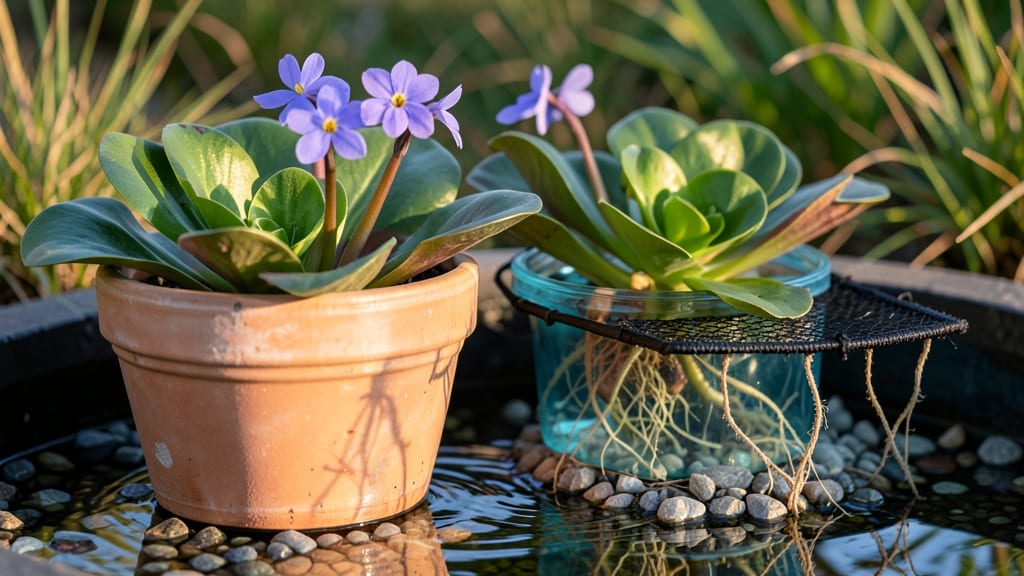
Growing container water garden plants lets you bring a tranquil aquatic oasis to patios, balconies, or even windowsills—no yard or pond required.
Picture this: vibrant floating plants like water hyacinths purifying the water while their purple blooms attract hummingbirds, all in a tub that fits your space. The best part? These low-maintenance plants thrive in small containers, making them perfect for beginners or busy gardeners.
Whether you’re drawn to floating beauties or root-edible varieties like watercress, the right setup keeps maintenance simple. We’ll cover the easiest plants to grow, how to choose the perfect container, and tips to keep your water crystal-clear all season.
By the end, you’ll know exactly which plants to pick, how to set them up for success, and how to avoid common mistakes—so you can enjoy your mini water garden without the hassle.
Best floating container water garden plants for small spaces
Creating a floating container water garden is one of the easiest ways to bring a mini aquatic ecosystem to your balcony or patio. These low-maintenance plants not only add beauty but also purify water, suppress algae, and attract beneficial pollinators.
The best part? They thrive in small containers without needing a full pond.
For urban gardeners with limited space, floating plants like water hyacinths, duckweed, and water lettuce are perfect choices. They grow quickly, require minimal care, and can even help control mosquito populations by outcompeting larvae.
Plus, their vibrant colors and textures create a stunning visual display in just about any container.
Before diving in, consider your container size and sunlight exposure. Most floating plants prefer full sun to partial shade and containers that are at least 12 inches deep.
A plastic tub, ceramic bowl, or even a repurposed rain barrel can work—just ensure it has enough space for roots to dangle in the water.
Here’s a quick comparison of the top 3 floating plants for small spaces, including their care needs and benefits:
| Plant | Sunlight Needs | Growth Rate | Pollinator-Friendly | Water Depth |
|---|---|---|---|---|
| Water Hyacinth | Full Sun | Fast | Yes (buttersflies, bees) | 6-12 inches |
| Duckweed | Partial Shade | Very Fast | Yes (mosquito control) | 2-4 inches |
| Water Lettuce | Full Sun to Partial Shade | Moderate | Yes (butterflies) | 4-8 inches |
Water hyacinths are my top pick for bold color and fast growth. Their lavender-pink flowers bloom year-round in warm climates and spread quickly, making them ideal for covering water surfaces in containers. However, they can become invasive if not contained, so I recommend trimming them back every 4-6 weeks to keep them in check.
If you’re looking for something even simpler, duckweed is a tiny powerhouse. It doubles in size in just 3-5 days and thrives in shadier spots, making it perfect for indoor windowsill gardens.
Plus, it’s a natural mosquito deterrent—just what you need if your container sits near seating areas. To use it, simply scatter a handful of plants on the water’s surface and let them multiply.
Water lettuce strikes a balance between ease of care and aesthetic appeal. Its ruffled, lettuce-like leaves create a lush green canopy, and it attracts butterflies with its delicate flowers. Unlike water hyacinths, it’s less likely to spread aggressively, making it a great choice for beginners. For best results, fertilize lightly with a balanced aquatic fertilizer every 6-8 weeks during the growing season.
One common mistake I see is overcrowding containers. Floating plants need space to spread, so avoid packing them too tightly. A good rule of thumb is to start with 3-5 plants per square foot of water surface.
Over time, you can thin them out or harvest excess growth for propagation. This not only keeps your garden looking neat but also prevents nutrient depletion in the water.
For year-round success, monitor your plants’ water quality. Stagnant water can lead to algae blooms or root rot, so I recommend adding a small solar-powered fountain or air stone to keep the water moving.
If you notice yellowing leaves or sluggish growth, it’s a sign your plants need more sunlight or a fertilizer boost. In colder months, some floating plants may go dormant, so reduce fertilization and let them rest.
Finally, don’t forget to harvest and repurpose your plants when needed. Water hyacinths and water lettuce can be divided and shared with fellow gardeners, while duckweed can be composted or used as a natural fertilizer for other plants.
With just a little care, your floating container water garden will become a self-sustaining ecosystem that brings joy—and life—to your small space.
Root-edible container water plants: grow food in your backyard oasis
Imagine harvesting fresh, nutrient-rich greens straight from your backyard without needing a sprawling garden. Root-edible container water plants like watercress, water spinach, and lotus roots transform even small spaces into productive food sources.
These aquatic gems thrive in containers, making them perfect for urban gardeners with limited room but big dreams.
One of my favorite options is watercress, a peppery green that grows rapidly in shallow water. Just place a container filled with 2-3 inches of water and a layer of gravel at the bottom.
Within 4-6 weeks, you’ll have vibrant greens ready for salads or sandwiches. The best part? It self-seeds, so you’ll get a continuous harvest with minimal effort.
Water spinach (also called kangkong) is another superstar. This fast-growing plant tolerates both water and moist soil, making it versatile for containers. Simply plant seeds in a 5-gallon container with 3-4 inches of water and watch it reach harvestable size in just 30-40 days. For a bonus, let it flower—its edible buds add a unique crunch to stir-fries.
Root-Edible Container Water Plants: Pros & Cons
✅ Pros
- Space-efficient: Thrives in small containers
- Fast growth: Harvest in 4-8 weeks
- Nutrient-rich: Packed with vitamins A, C, K
- Low maintenance: Minimal pruning or fertilizing
- Pest-resistant: Fewer bugs than land plants
❌ Cons
- Water quality: Needs clean, fresh water
- Limited varieties: Fewer options than land crops
- Seasonal: Best in warm months (USDA Zones 5-10)
- Harvest frequency: Requires regular picking
- Container size: Larger plants need bigger setups
For something truly unique, try growing lotus roots in deeper containers (at least 12 inches deep). These rhizomes thrive in 6-8 inches of water and produce stunning pink flowers while storing edible tubers underground.
Harvest the roots after 3-4 months by carefully uprooting them—just leave one tuber to regrow for next season.
When harvesting, always use clean, sharp scissors or shears to avoid damaging the plant. For watercress, cut stems just above the waterline, leaving 2-3 inches of growth.
With water spinach, snip leaves individually to encourage bushier growth. And for lotus roots, wait until the foliage yellows slightly—this signals mature tubers ready for eating.
To keep your container water garden thriving, change the water every 2-4 weeks to prevent algae buildup. Add a splash of aquatic fertilizer (like fish emulsion) monthly during the growing season. With these simple steps, you’ll enjoy a year-round supply of fresh, homegrown aquatic produce—no pond required!