
Size
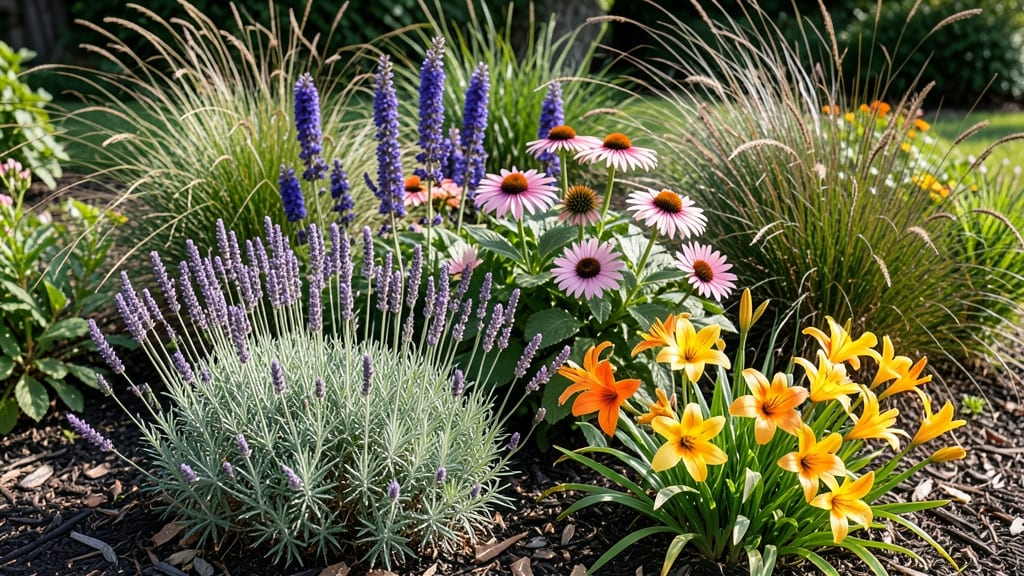
The average garden size depends on location and purpose: small urban plots typically span 100 to 500 square feet, suburban homesteads range from 500 to 1,500 square feet, and rural gardens often exceed 1,500 square feet to accommodate larger crops and layouts.
Garden size directly influences what you can grow and how efficiently you use space. 🌱 Urban gardeners often prioritize vertical growing and compact varieties to maximize yield in tight areas, while suburban plots balance productivity with aesthetics.
Rural gardens, with their larger footprints, allow for more diverse planting schemes and even small livestock integration. The key is matching your garden's dimensions to your goals—whether that means growing enough herbs for cooking or raising a full vegetable harvest.
For example, a 20x20-foot plot (400 sq ft) can easily support a family's annual vegetable needs with careful planning, while a 30x50-foot yard (1,500 sq ft) offers room for fruit trees, berry bushes, and seasonal flowers.
Even in limited spaces, techniques like square-foot gardening or trellising can double your growing capacity without expanding your footprint.
💡 In This Article
- How Garden Size Impacts Plant Selection and Layout
- Space-Saving Techniques for Small Gardens
How garden size impacts plant selection and layout
Garden size fundamentally shapes what you can grow and how efficiently you use every inch. In a 100-500 sq ft urban plot, space becomes a premium resource—this forces gardeners to prioritize high-yield, compact varieties like bush beans, cherry tomatoes, and leafy greens over space-hogging crops like pumpkins or corn.
The science behind this is simple: smaller gardens have less room for plant spacing, which directly affects air circulation and sunlight exposure—critical factors for disease prevention and photosynthesis efficiency. 🌱
For suburban gardens spanning 500-1,500 sq ft, the layout becomes more flexible. Here, you can incorporate both vegetables and ornamentals while introducing vertical elements like trellises for vining plants (e.g., cucumbers, peas) that would otherwise sprawl across valuable ground space.
Research shows vertical gardening can increase yield by up to 30% in small spaces by utilizing the "air column" above plants. This size range also allows for companion planting strategies—pairing basil with tomatoes to deter pests or marigolds with carrots to repel nematodes—without sacrificing overall garden structure.
The real game-changer comes with 1,500+ sq ft rural gardens, where layout becomes an art form blending productivity with sustainability. Larger plots enable crop rotation systems that prevent soil depletion, with dedicated sections for root crops, brassicas, and legumes.
A well-designed 1,500 sq ft garden can produce enough vegetables to feed a family year-round while leaving room for perennial fruits, berry bushes, and even small livestock like chickens in integrated systems.
The key difference here is the ability to implement proper pathways and irrigation zones that reduce maintenance time by 40% compared to smaller, cramped designs.
What most gardeners overlook is how square footage affects maintenance workload. A 200 sq ft container garden requires 3-5 hours/week of care, while a 1,000 sq ft in-ground plot can demand 15-20 hours/week due to weeding, watering, and harvesting demands.
This scaling relationship explains why urban gardeners often use self-watering systems or drought-tolerant plants to minimize labor. The physical dimensions create a feedback loop between space, plant selection, and the time you're willing to invest—making size the single most critical factor in garden success.
Consider this practical example: A 4x10-foot raised bed (40 sq ft) can produce 20-30 lbs of tomatoes using dwarf varieties planted in a grid pattern, while the same space with indeterminate vines would yield only 10-15 lbs due to crowding.
The plant selection ripple effect continues through companion relationships—adding just 5 sq ft of nasturtiums alongside your tomatoes can reduce pest damage by 50% while adding edible flowers to your harvest. These micro-decisions become exponentially more important as your garden grows.
For those working with limited space, the solution often lies in "right-sizing" expectations. A 100 sq ft balcony garden might comfortably grow 12-15 plants using square-foot gardening techniques, while a 500 sq ft suburban plot could support 100+ plants with proper spacing.
The key insight? Garden size isn't just about square footage—it's about understanding how to optimize every dimension for your specific growing goals, whether that means maximizing vertical space or strategically placing plants to create natural pest barriers. 🌿