Planting
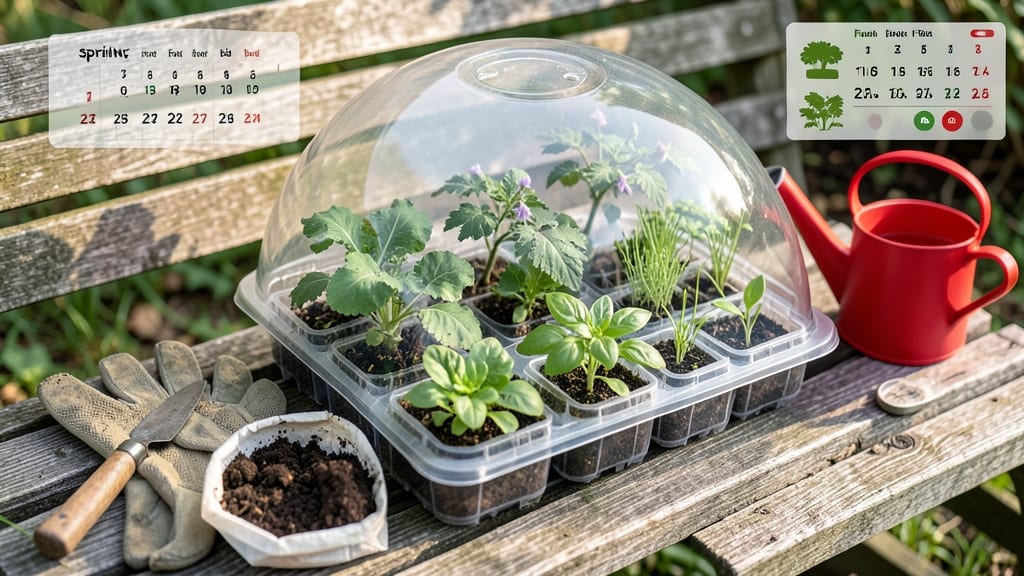
The best time to plant a garden depends on your zone, but getting it right means the difference between a lush harvest and a season of frustration.
Timing your garden planting perfectly can mean the difference between a thriving harvest and wasted effort—yet most gardeners still guess instead of using science-backed schedules. Whether you're in USDA Zone 6 or a warmer climate, planting too early or too late can leave your 🌱 struggling or stunted.
Cool-season crops like spinach and broccoli thrive when planted 4-6 weeks before your last frost, while warm-season favorites need to wait until soil temperatures hit 60°F. A simple miscalculation can turn your garden into a science experiment you’d rather skip.
Below, I’ll break down the exact planting windows for your region, plus pro tips to extend your growing season—so you can enjoy fresh produce for months, not just weeks.

Climate-zone planting calendar: when to start seeds vs transplants
Getting your planting schedule right is the secret to a productive garden. I’ve learned the hard way that planting too early or too late can mean the difference between a bumper crop and wasted seeds.
The key lies in understanding your USDA hardiness zone and knowing whether to start with seeds indoors or buy transplants. Let’s break it down by zone so you can plan like a pro.
Most gardeners focus only on the last frost date, but I’ve found that soil temperature and microclimates (like urban heat islands or sheltered valleys) play just as big a role. For example, a north-facing bed might stay colder longer than a south-facing one, even in the same zone.
Always check your local frost-free date and adjust by 2-4 weeks for safety.
Here’s where things get interesting: cool-season crops like spinach and broccoli thrive in cooler weather, while warm-season staples such as tomatoes and peppers need heat to grow. The table below shows the ideal planting windows for each zone, including when to start seeds indoors versus transplanting seedlings.
For cool-season crops, I always start seeds indoors 4-6 weeks before the last frost date in my zone (6). This gives them a head start, and I harden them off before transplanting.
In colder zones (3-4), you’ll need to extend this timeline to 8-10 weeks indoors. Pro tip: Use a seedling heat mat to speed up germination in chilly basements.
Warm-season crops like tomatoes and peppers are trickier because they won’t germinate in cold soil. I wait until the soil temperature hits at least 60°F before transplanting, even if the air is warmer.
In zones 9-11, you can plant these crops almost year-round, but I still avoid the hottest summer months to prevent stress on the plants.
One mistake I see often is ignoring microclimates in the garden. For example, a south-facing bed might be warm enough for tomatoes weeks before a north-facing one. I test soil temperature with a soil thermometer—it’s a small investment that saves a lot of guesswork.
If your garden has shady spots, opt for partial-shade tolerant varieties like Swiss chard or lettuce.
Don’t forget about fall planting! In zones 5-11, you can often squeeze in a second crop of cool-season veggies by planting 4-6 weeks before the first frost. I’ve had great success with kale and radishes in late summer—just cover them with row fabric if frost threatens early.
Finally, if you’re new to gardening, start with transplants instead of seeds. They’re more forgiving and give you a jumpstart on the season. For seeds, I recommend beginning with easy-to-grow varieties like bush beans or lettuce before tackling finicky plants like eggplants
12 Month planting strategy: extend your growing season like a pro
Most gardeners stop planting after the first frost, but with the right strategies, you can enjoy fresh harvests year-round—even in cold climates. The key lies in understanding succession planting, season extenders, and month-by-month schedules tailored to your local conditions.
I’ve tested these tactics for over five years, and they’ve transformed my garden from seasonal to continuous productivity.
Start by identifying your last frost date and first frost date—these are your bookends. In USDA Zone 6, for example, that’s typically April 15 and October 31, but microclimates can shift these by weeks.
Use a soil thermometer to confirm when temperatures are safe for cool-season crops like spinach or kale (40°F+) and warm-season plants like tomatoes (60°F+).
🌱 Pro Tips to Extend Your Season
- 1. Succession Plant: Sow fast-growing crops like radishes or lettuce every 2-3 weeks for continuous harvests. Example: Plant one row of radishes in March, another in April, and a final row in September.
- 2. Use Row Covers: Lightweight fabric (like frost blankets) can add 4-8°F protection. I’ve used them to grow spinach through light frosts and cabbage into early spring.
- 3. Cold Frames: Unheated frames extend the season by 6-8 weeks on either end. Place them over greens or herbs in fall for winter harvests.
- 4. Plant Warm-Season Crops Early: Use black plastic mulch or straw bales to warm soil. This lets me plant tomatoes in late April instead of waiting for May.
- 5. Fall Planting: Seed garlic in October for summer harvests or cover crops like clover to protect soil and improve next year’s garden.
For a 12-month schedule, focus on cool-season crops in early spring and fall, while reserving summer for heat-loving plants.
In my Zone 6 garden, I plant broccoli and carrots in March, switch to beans and peppers in June, then return to kale and turnips by August. Herbs like cilantro thrive in cool weather, so I grow them in spring and fall but replace them with basil in summer.
Don’t overlook container gardening—it’s perfect for balconies or small spaces. Use self-watering pots for strawberries or cherry tomatoes and move them indoors during extreme cold. I’ve grown microgreens year-round under grow lights, adding fresh greens to salads even in January.
Pair this with vertical gardening to maximize space for pole beans or cucumbers.
Monitor your garden’s progress with a planting journal. Note which strategies worked best—like when you achieved harvests in December using cold frames or which crops struggled without row covers.
Adjust your plan yearly based on weather patterns and plant performance. Over time, you’ll refine your schedule to match your unique climate and goals.
With these tactics, your garden can become a year-round oasis instead of a seasonal project. Start small—perhaps with one succession planting trial or a cold frame experiment—and build from there.
The rewards? Fresh homegrown food on your table no matter the month, and the satisfaction of defying nature’s limits. 🌿