
Vegetables
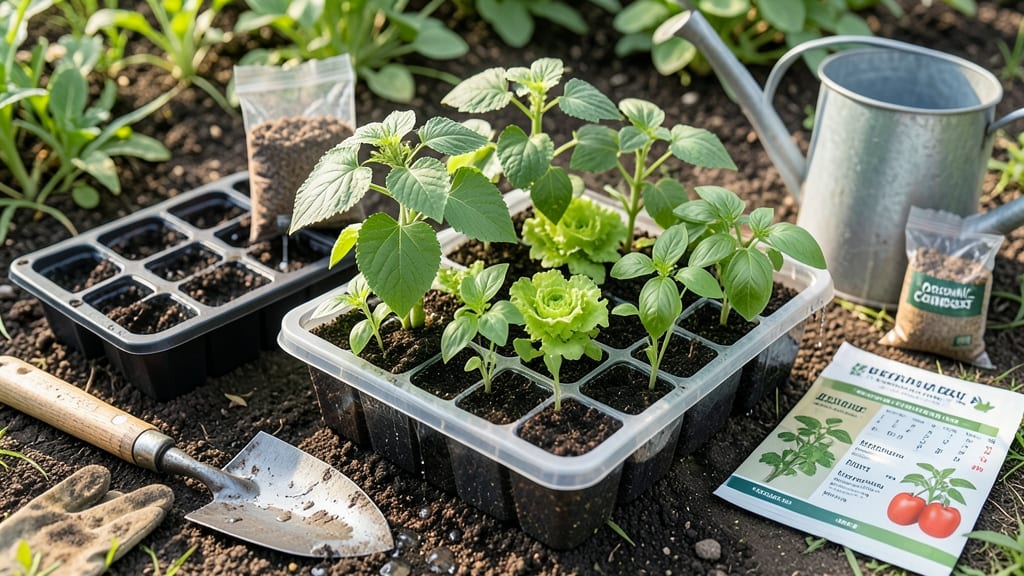
The best time to plant a vegetable garden 🥕 hinges on your USDA zone and the crop—get it wrong, and you’ll either watch seedlings freeze or struggle with stunted harvests.
Timing is everything in gardening—plant too early, and frost will kill your seedlings; too late, and your harvest suffers. Avoid costly mistakes with science-backed planting deadlines tailored to your USDA zone and crop type.
In Zone 6a, like much of the Midwest, cool-season crops like spinach and peas thrive when planted 4-6 weeks before your last frost (typically mid-March), while tomatoes and peppers need to wait until after April 15.
Below, I’ll break down the exact frost-free deadlines by plant type, how to adjust for microclimates, and the one trick that extends your growing season by 2-3 weeks—no matter where you live.

Frost-free planting deadlines by USDA Zone and vegetable type
Getting your vegetable garden's planting timeline right means the difference between a bountiful harvest and wasted effort. The last frost date in your USDA zone determines when you can safely plant heat-loving crops like tomatoes and peppers, while cool-season crops like spinach and kale thrive when planted earlier.
Even a few days off can stunt growth or invite frost damage.
Each USDA zone has a unique frost-free window, but high-altitude areas and microclimates (like urban heat islands) can shift these deadlines by weeks. For example, a Zone 5 gardener might plant zucchini in late May, while a Zone 9 gardener starts in March.
Below, I’ve broken down the ideal planting windows for common vegetables by zone, plus adjustments for tricky conditions.
| USDA Zone | Last Frost Date (Avg.) | Warm-Season Crops (Plant After) | Cool-Season Crops (Plant Before) | High-Altitude Adjustment |
|---|---|---|---|---|
| Zones 3-4 | May 1–15 | Late May–Early June | March–April (or fall: Aug–Sept) | Delay 2–4 weeks |
| Zones 5-6 | April 15–May 1 | Early May–Mid-May | February–March (or fall: July–Aug) | Delay 1–2 weeks |
| Zones 7-8 | March 1–April 15 | Mid-April–Early May | January–February (or fall: June–July) | Advance 1 week |
| Zones 9-10 | December 15–February 1 | February–March | October–November (or spring: Jan–Feb) | No adjustment |
*Adjust for microclimates: Urban areas plant 1–2 weeks earlier; valleys delay by 1 week vs. hillsides.
For warm-season crops like tomatoes, peppers, and squash, soil temperature matters as much as air temperature. Wait until the soil reaches at least 60°F (15°C)—use a soil thermometer to check.
In Zone 5, that might mean waiting until early June, even if the last frost passed in May. Cool-season crops, including spinach, peas, and kale, can handle lighter frosts (down to 20–25°F (-6 to -4°C)), so plant them 4–6 weeks before your last frost date.
High-altitude gardens (3,000+ feet) often face shorter growing seasons and cooler soils. If you’re in Zone 6 but at 5,000 feet, treat your zone like a Zone 4 for planting deadlines.
Conversely, urban heat islands can push last frost dates 1–2 weeks later—monitor local weather stations for precise data. For example, Chicago’s Loop might be 5°F warmer than nearby suburbs, letting you plant cucumbers a week earlier.
Don’t overlook fall planting for cool-season crops. In Zone 7, you can sow broccoli and carrots as late as August 15 for a harvest before winter. Use the "50–60-day rule": Count backward from your first frost date to determine the latest you can plant for a fall harvest.
For warm-season crops, succession planting every 2 weeks ensures a steady supply—just stick to the soil temperature guideline.
Pro tip: Use row covers or cold frames to extend your planting window by 2–4 weeks in early spring or late fall. These protect seedlings from light frosts (down to 25°F (-4°C)) and warm the soil faster.
Just remove covers once plants are established to prevent overheating. For sensitive crops like
How to calculate your local planting window for maximum yield
Determining the perfect planting window for your vegetable garden starts with understanding your local frost dates and soil temperature. These factors vary dramatically across the U.S., so relying on general advice can lead to wasted effort—or worse, lost crops.
For example, tomatoes in Zone 5 need to wait until soil reaches 55°F, while spinach thrives in cooler 40°F soil. Let’s break this down into actionable steps to ensure your plants get the head start they deserve.
First, locate your USDA Hardiness Zone (find it via the USDA Plant Hardiness Zone Map) and check your average last frost date for spring and first frost date for fall. These dates are your garden’s bookends—planting outside them risks exposing tender plants to frost damage.
For instance, in Zone 7a, the last frost typically falls around April 15, while Zone 10a gardeners can plant year-round with minimal frost concerns. Always verify these dates with your local cooperative extension office for hyper-local accuracy.
- 1 Check your last frost date: Use the USDA Zone Map or local weather data to find your average last frost date. Plant cool-season crops (like lettuce or peas) 4-6 weeks before this date.
- 2 Test soil temperature: Use a soil thermometer to confirm warmth. Warm-season crops (e.g., tomatoes, peppers) need soil at 60°F+. Plant when temps stabilize for 1-2 weeks.
- 3 Read seed packet instructions: Packets list days to maturity and temperature requirements. For example, bush beans take 50-60 days to harvest—plant them 90 days before first frost for a fall crop.
- 4 Extend seasons with row covers: Use floating row covers to plant 2-3 weeks earlier in spring or 2-4 weeks later in fall. They trap heat and protect from light frosts (28°F).
- 5 Use cold frames for early starts: A cold frame can push planting dates back by 4-6 weeks in spring. Place it on bare soil in late winter to warm the ground naturally.
Don’t overlook microclimates—your garden’s location can create pockets of warmth or cold. For example, a south-facing slope warms up faster than a north-facing valley, allowing you to plant warm-season crops like cucumbers 1-2 weeks earlier.
Similarly, urban areas often experience urban heat islands, where pavement and buildings raise temperatures by 5-10°F, extending your growing season. Test your microclimate by planting fast-growing crops like radishes in different spots to see where they thrive earliest.
For fall planting, calculate backward from your first frost date. Most vegetables need 60-90 days to mature, so plant broccoli or carrots 90 days before frost to ensure a harvest.
If your season is short (e.g., Zone 4), opt for fast-maturing varieties labeled "early harvest" or "quick crop." Pair this with row covers to shield young plants from light frosts (28-32°F) and push your harvest window even further.
Pro tip: Bookmark the National Oceanic and Atmospheric Administration (NOAA) frost prediction maps for real-time updates. These tools adjust for El Niño patterns or unseasonable warmth, giving you a 30-day forecast for frost dates.
Combine this with your seed packet timelines and soil thermometer readings to create a customized planting schedule that maximizes your yield—no guesswork required.