
Advice
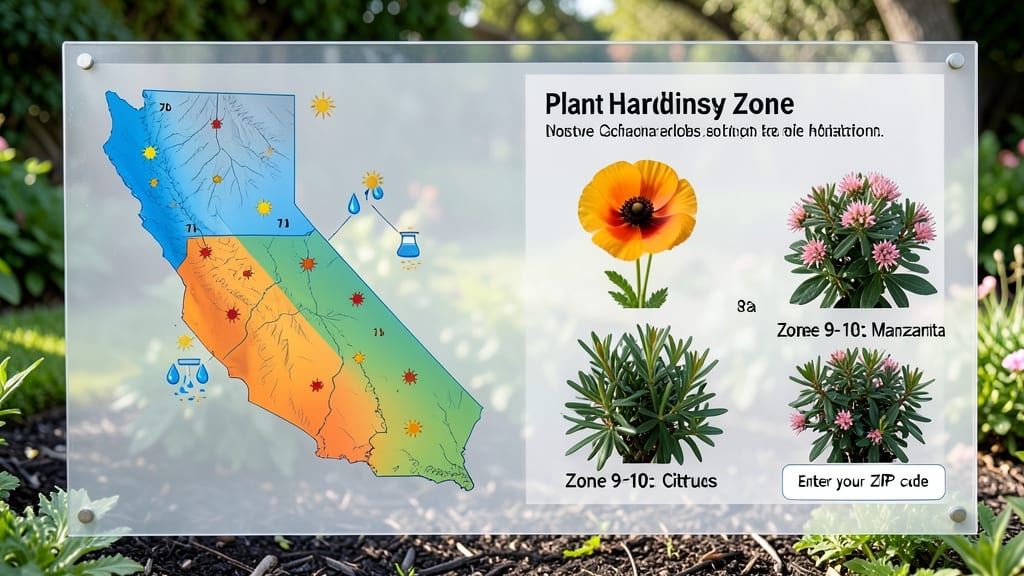
Understanding California gardening zones is essential because they range from 7 to 11, with coastal regions typically in zones 9–11 and inland areas in zones 7–9, directly influencing which plants will thrive based on frost risk, heat tolerance, and microclimates.
California's gardening zones reflect its dramatic climate shifts—from foggy coastal areas where citrus thrives to inland deserts where heat-tolerant succulents dominate. 🌵 The USDA Plant Hardiness Zone Map helps pinpoint your exact location, but remember: elevation can push zones lower by 1-2 levels.
For example, mountain regions near Zone 7 may experience frost even in summer, while coastal Zone 10 areas rarely drop below 30°F. This variation means your neighbor's successful garden might fail in yours without proper zone awareness.
What sets California apart is its Mediterranean climate—mild, wet winters and hot, dry summers—which creates unique growing conditions. Most gardeners here focus on drought-resistant plants like lavender and rosemary, but zone-specific choices matter too.
For instance, Zone 7 gardeners can grow cold-hardy kale, while Zone 10 enthusiasts must protect tender plants from summer heatwaves. The key is matching your plants to both your zone AND microclimate—like the cooler pockets in canyons or the warmer urban heat islands.
💡 In This Article
- How California’s Unique Climate Defines Gardening Zones
- Best Plants for Each California Gardening Zone
How California’s unique climate defines gardening zones
California’s gardening zones reflect its dramatic climate contrasts—from the chilly coastal fog of Zone 10 to the scorching inland deserts of Zone 7. The key difference lies in its Mediterranean climate, where summers are bone-dry and winters are mild, unlike the wet winters of traditional USDA zones.
Coastal areas stay cool year-round thanks to the Pacific Ocean’s moderating influence, while inland valleys can see temperature swings of 50°F+ between day and night.
This creates microclimates where a single city might span two zones—like Los Angeles, where Santa Monica (Zone 10) and Pasadena (Zone 9) have different frost risks.
The USDA map simplifies things by averaging the last 30 years of frost data, but California’s zones behave differently. For example, Zone 7 areas like Sacramento experience 5-10 frost-free days per year, while Zone 11 coastal spots like San Diego rarely drop below 30°F.
Elevation adds another layer: a 1,000-foot climb can push you into a lower zone (about 1 zone per 1,500 feet), meaning mountain gardens near Zone 7 might need cold-hardy plants like Russian sage or blueberry bushes that coastal gardeners can skip.
Water availability is another critical factor. Zone 9-11 coastal gardens often struggle with summer fog and high humidity, requiring plants like olive trees or bougainvillea that tolerate moisture. Meanwhile, Zone 7-8 inland areas face drought stress, favoring succulents and native grasses that store water efficiently.
The Mediterranean climate also means most plants enter dormancy in summer, so irrigation timing matters—overwatering in 90°F+ heat can kill roots, while winter rains recharge soil moisture for spring growth.
What most gardeners overlook is how urban heat islands shift zones upward. A Zone 9 backyard in downtown LA might feel like Zone 10 due to pavement and concrete absorbing heat, while shaded canyons could mimic Zone 8 conditions.
This is why testing your microclimate with a minimum thermometer (placed in your garden for a year) often reveals surprises—like discovering your Zone 10 yard has a 28°F frost risk in winter.
Seasonal adjustments are also zone-dependent. Zone 7 gardeners can plant broccoli in fall for spring harvests, while Zone 10 growers must use shade cloth to protect lettuce from summer sunburn. The rule of thumb? Subtract 5°F from your zone number to estimate the coldest safe temperature for tender plants.
For example, a Zone 9 garden should avoid plants sensitive to 28°F or below—like hibiscus, which thrives in Zone 10+.
Finally, California’s fire-prone ecosystems mean Zone 9-11 gardens often prioritize fire-resistant plants like ice plant or yucca, while Zone 7-8 areas focus on drought-tolerant natives. The takeaway? Your zone isn’t just about frost—it’s about matching plants to your local climate extremes, from coastal breezes to inland heatwaves. 🌿