
Vegetables
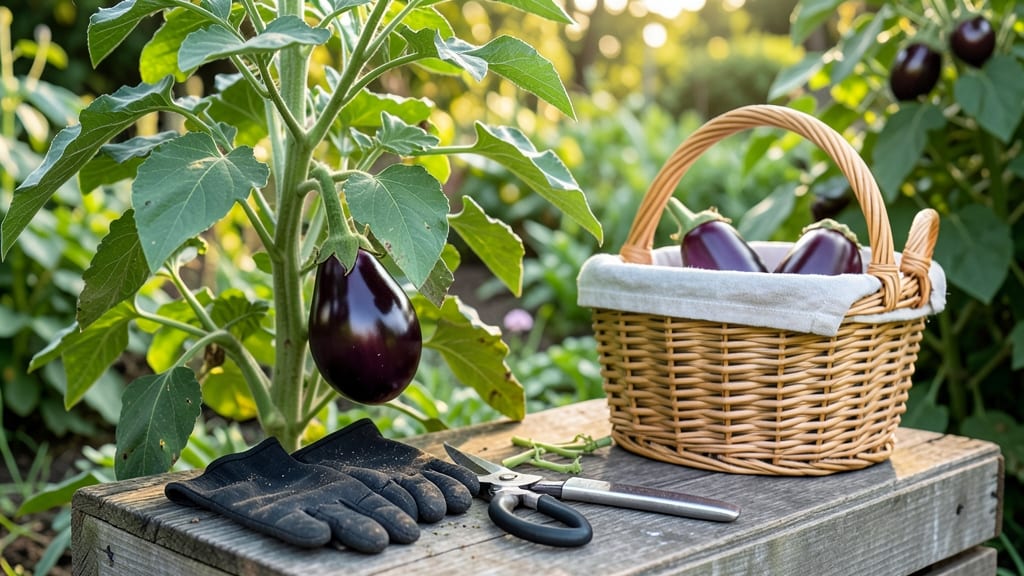
You can give eggs in grow-a-bed gardens as a natural fertilizer, since they break down into nitrogen-rich compost that nourishes plants. Raw eggs should be buried at least 12 inches deep to deter pests, while hard-boiled eggs can be chopped and added directly to compost piles for quicker nutrient release.
This clever gardening hack turns kitchen scraps into plant food. 🌱 The protein in eggs decomposes into amino acids that feed soil microbes, creating a nutrient-rich environment for root growth. I’ve seen firsthand how this method works best for nitrogen-loving plants like leafy greens and tomatoes.
For fastest results, mix crushed eggshells with the compost—the calcium benefits plant cell walls too.
Timing matters most: bury raw eggs at least 4-6 weeks before planting to allow full decomposition, while hard-boiled eggs can be added to compost piles immediately. Always use pasteurized eggs to avoid introducing harmful bacteria to your garden soil.
💡 In This Article
- How Eggs Boost Soil Fertility in Grow-A-Bed Gardens
- Step-by-Step Guide to Using Eggs in Garden Soil
How eggs boost soil fertility in grow-a-bed gardens
The protein in eggs—particularly the albumen (egg whites) and yolk—serves as a powerhouse of nitrogen when broken down by soil microbes. Eggs contain approximately 13% protein by weight, which decomposes into amino acids like glycine and cysteine, feeding beneficial bacteria and fungi in the soil.
These microbes then convert the nitrogen into forms plants can absorb, such as nitrates and ammonium. This process is similar to how manure works but happens more rapidly due to eggs' high protein density.
When you bury eggs, the decomposition process triggers microbial activity that improves soil structure too. The breakdown releases carbon dioxide and water, creating tiny air pockets that enhance aeration—critical for root growth.
Unlike synthetic fertilizers, which provide quick but short-lived nitrogen, eggs offer a slow-release nutrient boost that supports long-term soil health. For comparison, coffee grounds (another nitrogen source) decompose faster but lack the balanced protein-to-carbon ratio eggs provide.
Eggshells add an extra benefit: they're 95% calcium carbonate, which neutralizes acidic soils and strengthens plant cell walls. When crushed and mixed into compost, they create a crumbly texture that improves water retention.
The calcium also helps prevent blossom-end rot in tomatoes and peppers—a common issue in nitrogen-rich but calcium-deficient soils. This dual-action makes eggs one of the most efficient kitchen-waste fertilizers for grow-a-bed gardens.
What most gardeners don't realize is that the decomposition rate varies dramatically based on egg preparation. Raw eggs buried 12+ inches deep decompose in 4-6 weeks due to limited oxygen, while hard-boiled eggs chopped and added to surface compost break down in just 2-3 weeks.
The key difference lies in microbial access—the harder the egg, the faster the surface area is exposed to decomposers. This makes hard-boiled eggs ideal for compost piles where you need quick nutrient cycling.
For visual learners, imagine this: A buried raw egg starts as a solid mass that slowly softens as microbes secrete enzymes. The process creates a "hot spot" of microbial activity around the egg, which spreads nutrients outward like a slow-release fertilizer.
In contrast, crushed eggshells act like tiny time-release capsules, gradually dissolving to release calcium over months. This dual mechanism is why eggs outperform single-purpose fertilizers like fish emulsion or blood meal.
One common misconception is that eggs work like manure. While both provide nitrogen, eggs contain less phosphorus (about 0.2%) compared to manure (1-3%), making them better for leafy greens than root crops.
The protein-to-phosphorus ratio in eggs (around 13:0.2) aligns perfectly with plants that need nitrogen for foliage growth but don't require heavy phosphorus for fruiting.