
Fertilization
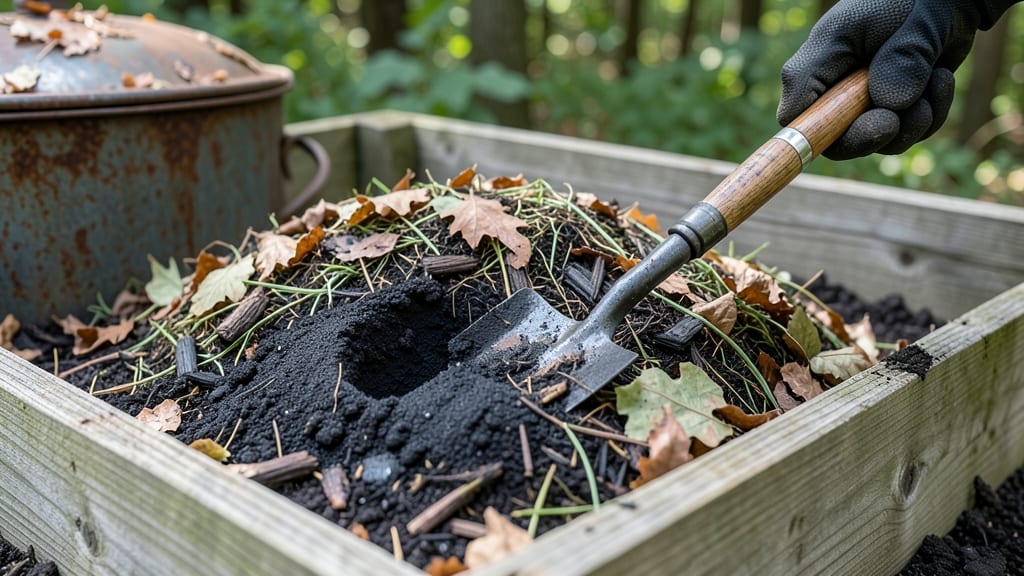
You can use charcoal ashes in your garden to enhance soil fertility, but they must come from untreated, natural charcoal and be applied carefully to prevent pH imbalances or plant damage.
Charcoal ashes act as a natural soil amendment by creating tiny pores that improve water retention and aeration, while also providing trace minerals like calcium and potassium. 🌱 Unlike wood ash, they won't raise soil pH excessively, making them safer for acid-loving plants.
I've found that mixing a thin layer (about 1/4 inch) into compost or top-dressing works best—never apply directly to plant stems or in large quantities.
For optimal results, test your soil first and use charcoal ashes sparingly, especially for acid-sensitive plants like blueberries or azaleas. Always source from untreated, food-grade charcoal to avoid introducing harmful chemicals. This method works particularly well for container gardens or sandy soils that need moisture retention.
💡 In This Article
- How Charcoal Ashes Affect Soil Chemistry and Plant Growth
- Safe Ways to Apply Charcoal Ashes in Your Garden
How charcoal ashes affect soil chemistry and plant growth
Charcoal ashes create microscopic pores in soil that dramatically improve water retention—up to 30% more moisture capacity—while preventing compaction. This porous structure mimics natural biochar's ability to hold water like a sponge, but with the added benefit of releasing nutrients slowly.
The high surface area (often 200-500 m² per gram) also provides ideal habitats for beneficial microbes, which break down organic matter more efficiently than in regular soil.
The mineral composition differs significantly from wood ash. Charcoal ashes contain 2-5% potassium oxide and 1-3% calcium oxide, but crucially lack the high sodium content that makes wood ash dangerous for most plants. The potassium helps strengthen cell walls, while calcium improves root development.
What's unique is how these minerals are bound to the carbon structure—releasing them gradually over months rather than all at once like chemical fertilizers.
For plant growth, the real magic happens in the rhizosphere—the zone around roots where microbial activity peaks. Charcoal ashes create a slightly alkaline environment (pH 7.5-8.5), which benefits plants like tomatoes and peppers that thrive in neutral-to-slightly alkaline conditions.
However, the effect is far more subtle than wood ash, which can push pH toward 9.0+ and harm acid-loving plants. The carbon structure also acts as a buffer, preventing drastic pH swings.
One surprising benefit is the reduction of heavy metal toxicity. The porous charcoal binds to harmful metals like lead and cadmium, making them less available to plants. In urban gardens where soil contamination is common, this can be a game-changer.
Studies show 40-60% reduction in metal uptake when charcoal is present, though results vary by soil type and contamination level.
Consider this comparison: Wood ash raises soil pH by 1.5-2.5 points per application, while charcoal ashes typically shift it by only 0.3-0.8 points. This makes charcoal ashes far safer for delicate plants like blueberries or hydrangeas, which require precise pH levels.
The slow-release nature also means you won't get the sudden nutrient spikes that can burn plant roots when using wood ash.
For best results, mix charcoal ashes with compost at a ratio of 1:10 (ashes to compost). This creates a "slow-release" nutrient system where minerals become available as microbes colonize the charcoal surface.
The texture remains light and fluffy—unlike wood ash which can form hard clumps—making it ideal for container gardens or sandy soils that need structure.