
Pests
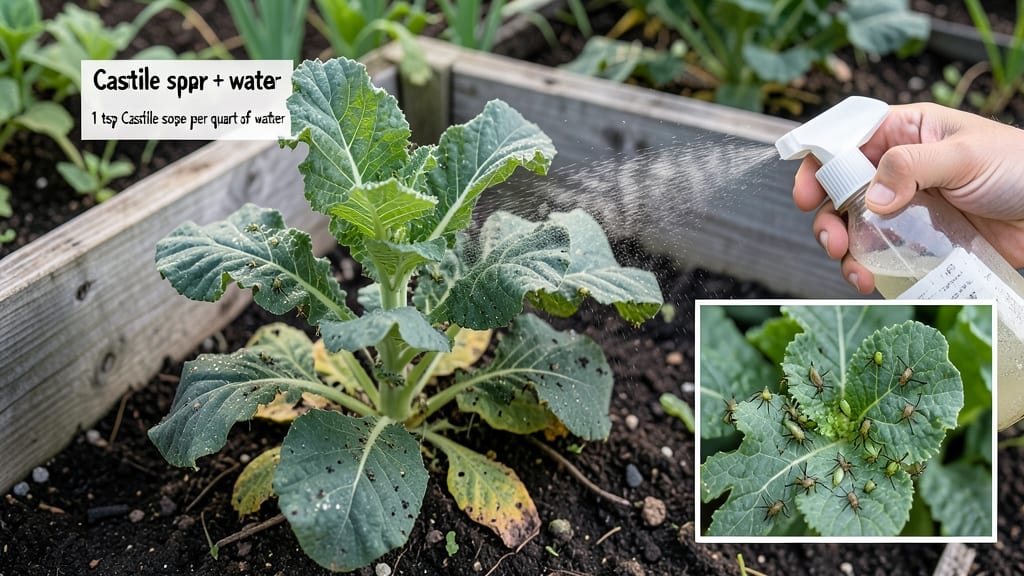
Using Castile soap for garden pests is an effective way to control soft-bodied insects like aphids, mites, and whiteflies by disrupting their protective membranes. Always dilute it properly to prevent harming your plants.
Castile soap works because its natural fatty acids break down the waxy outer layer of insects, causing dehydration and death. 🌱 Unlike synthetic pesticides, it's safe for beneficial insects and the environment when used correctly—just mix 1-2 tablespoons of liquid Castile soap with 1 quart of water for most garden applications.
I've found it particularly effective against aphids and spider mites, which thrive in warm weather.
For best results, apply in the early morning or late evening when temperatures are cooler, reducing the risk of plant damage. Always test a small area first, as some plants may react differently. The key is consistency—reapply every 5-7 days until the pest population is under control.
💡 In This Article
- How Castile Soap Kills Garden Pests
- Best Garden Pests to Treat with Castile Soap
How Castile soap kills garden pests
Castile soap works as a natural insecticide through a simple yet powerful chemical process called saponification. The soap's fatty acid molecules—primarily oleic and linoleic acids—disrupt the waxy, protective outer layer of insects. This layer, called the cuticle, acts like a waterproof shield that prevents dehydration.
When soap molecules penetrate this barrier, they create tiny pores that allow moisture to escape rapidly, effectively dehydrating the insect from the inside out within hours. 🔥
The soap's effectiveness varies by pest type because hard-bodied insects (like beetles or earwigs) have thicker exoskeletons that resist soap penetration. However, soft-bodied pests—such as aphids, whiteflies, and spider mites—lack this protective armor, making them ideal targets.
For example, aphids have a delicate, waxy coating that dissolves when exposed to even a 1% soap solution, while their internal systems fail within 24-48 hours of contact.
Dilution is critical because undiluted Castile soap can damage plant leaves through phytotoxicity. The soap's alkaline nature (pH ~9) can strip away the cuticle layer of plant cells, causing brown, crispy spots.
A safe ratio is 1-2 tablespoons of liquid Castile soap per quart of water, which creates a 0.5-1% solution—strong enough to kill pests but gentle enough for most plants. Always test on a small leaf area first, especially for sensitive varieties like tomatoes or peppers.
Temperature also plays a role in effectiveness. Warmer conditions (75-85°F) accelerate evaporation, speeding up the dehydration process. However, applying soap sprays in direct sunlight can cause rapid drying on plant surfaces, increasing the risk of leaf burn.
Early morning or late evening applications minimize this risk while ensuring pests are still active and exposed to the treatment. 🌿
Beyond dehydration, Castile soap can also smother pests by coating their breathing pores (spiracles). For instance, spider mites rely on tiny openings in their bodies to exchange gases—when soap clogs these pores, they suffocate.
This dual mechanism makes Castile soap a versatile tool against both sucking and crawling insects, though it won’t kill pests that burrow underground or have thick protective shells.
One often-overlooked factor is the type of Castile soap used. Unscented, 100% pure olive oil-based soap is ideal because added fragrances or synthetic ingredients can irritate plants or reduce effectiveness. Brands like Dr. Bronner's (unscented) or Attitude are popular choices among gardeners for their consistency and lack of additives.
Always opt for liquid soap over bar soap, as the latter contains abrasives that can scratch plant surfaces.