
Planting
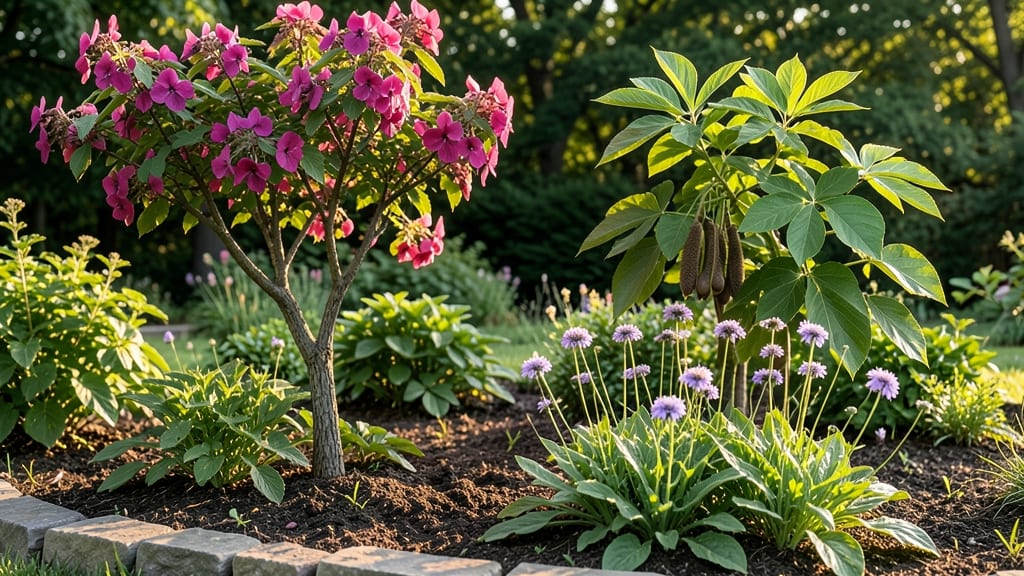
Cincinnati gardening thrives in USDA Hardiness Zones 6a and 6b, where winters dip to -10°F to 0°F (-23°C to -18°C), creating ideal conditions for hardy perennials, fruit trees, and cold-resistant vegetables. Spring planting starts in early April, while fall crops can grow until mid-October.
Cincinnati's USDA Zone 6 classification means you can grow a diverse range of plants that survive winter's chill while thriving in summer's heat and humidity. 🌱 The city's 1,000-foot elevation and proximity to the Ohio River create microclimates—warmer near the river, cooler in northern neighborhoods—which affects frost dates and plant hardiness.
For example, peonies and daylilies flourish here, while tender annuals like impatiens need winter protection.
This zone supports over 1,000 plant varieties, from classic apples and hydrangeas to heat-loving tomatoes and peppers. The extended growing season (about 180 days) lets gardeners experiment with both cool-season crops like spinach and warm-season favorites such as sweet corn.
I always recommend testing soil pH (aim for 6.0-7.0) and amending with compost before planting to maximize success.
💡 In This Article
- Understanding Cincinnati’s USDA Plant Hardiness Zones 6a and 6b
- Best Vegetables, Flowers, and Trees for Cincinnati Gardens
Understanding Cincinnati’s USDA plant hardiness zones 6a and 6b
Cincinnati's classification as USDA Zones 6a and 6b stems from its average annual minimum temperatures of -10°F to 0°F (-23°C to -18°C), which define what plants can survive winter's harshest conditions.
The city's humidity levels (60-80%) and seasonal temperature swings (from summer highs of 90°F to winter lows below freezing) create a unique growing environment that favors hardy perennials and fruit trees.
These factors explain why plants like tulips and hydrangeas thrive here—they've evolved to withstand both cold winters and hot, muggy summers.
The Ohio River's influence creates microclimates across Cincinnati, with areas near the water experiencing 2-3°F warmer temperatures than inland neighborhoods. For example, Over-the-Rhine's urban heat island effect can delay frost by 5-7 days compared to northern suburbs like Montgomery.
This variation means gardeners should adjust planting times by 1-2 weeks depending on location. The city's 1,000-foot elevation also contributes to cooler nights, which benefits many vegetable crops that need temperature fluctuations to develop proper flavors.
What this means for your garden is that you can successfully grow plants rated for Zone 6, but some Zone 5 varieties (like certain apple trees) may also survive with proper winter protection. The key is understanding your specific microclimate—sheltered south-facing slopes stay warmer, while low-lying areas collect cold air.
I've found that mulching with 3-4 inches of compost in fall can raise soil temperatures by 2-5°F, extending the growing season by 10-14 days in spring and fall.
For perennials, this zone supports over 500 varieties of cold-hardy plants, including 90% of common garden roses and 85% of daylilies. The extended winter chill period (typically 400-500 hours below 45°F
Without this cold exposure, many fruit trees would fail to produce quality fruit. The last average frost date (April 15) and first frost date (October 15) give you about 180 frost-free days—plenty of time for two full growing seasons with proper crop rotation. One common misconception is that all Zone 6 plants will thrive equally in Cincinnati. The reality is that soil quality varies dramatically—northern areas often have clay-heavy soils that require amending with sand and organic matter, while southern areas near the river have sandy loam that drains too quickly. Testing your soil's organic matter content (aim for 5-10%) and pH level (ideal 6.0-7.0 for most plants) before planting can make the difference between success and failure with the same plant variety. Consider these key factors when selecting plants for your Cincinnati garden: Remember that Cincinnati's variable weather patterns mean you should always have backup plans—like cold frames for early spring planting or row covers for late fall crops. The city's average annual rainfall of 40 inches provides ample moisture, but drought periods in summer can stress plants without proper irrigation. 🌿