
Fertilization
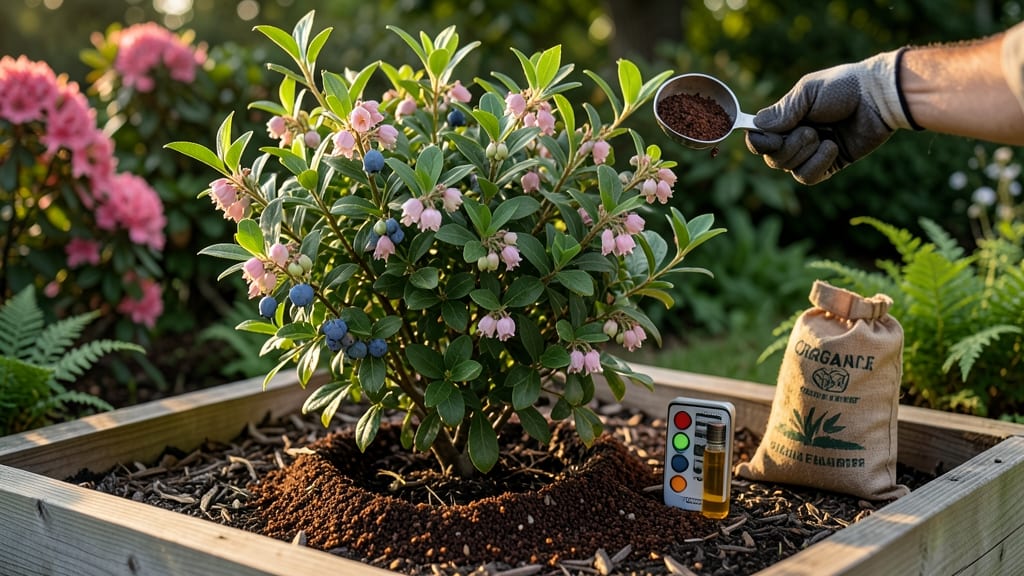
Using coffee grinds in the garden enriches soil with nitrogen, deters pests like slugs and ants, and improves drainage while suppressing weeds. Apply sparingly—too much can acidify soil or attract mold.
Coffee grinds work wonders as a natural garden fertilizer because they're packed with nitrogen, a key nutrient plants crave for lush growth. 🌱 The grinds break down slowly, releasing nutrients over time while also attracting earthworms that aerate the soil.
I've seen firsthand how a thin layer around plants boosts their health without overwhelming the ecosystem—just be mindful of placement, as fresh grinds can create a coffee-scented barrier that deters unwanted critters.
For pest control, the secret lies in strategic application. Sprinkle used grounds around vegetable patches to repel slugs and ants naturally, or mix them into compost piles to accelerate decomposition. The caffeine in coffee acts as a mild insect repellent, making it a dual-purpose garden helper.
Just remember: balance is key—too much can make your soil too acidic, so always pair with other organic matter like compost or wood ash to maintain proper pH levels.
💡 In This Article
- How Coffee Grinds Improve Soil Health and Plant Growth
- Best Ways to Apply Coffee Grounds for Pest Control in Gardens
How coffee grinds improve soil health and plant growth
Coffee grinds act as a powerhouse for soil health because they're roughly 2% nitrogen by weight—about the same concentration as many commercial fertilizers. When you till them into the soil, they break down through microbial action, releasing this nitrogen gradually over 2-4 weeks.
This slow-release process mimics organic fertilizers like manure, providing a steady nutrient supply without the risk of burning plants that comes with synthetic quick-release nitrogen.
The breakdown process also boosts microbial activity in the soil. Coffee grinds contain melanoidins, compounds formed during roasting that act as a food source for beneficial bacteria and fungi.
These microorganisms then help decompose other organic matter, creating a more vibrant soil ecosystem. 🌱 The grinds also improve soil structure by adding organic matter that enhances water retention—ideal for sandy soils—while preventing compaction in clay-heavy gardens.
However, the pH impact is where coffee grinds require careful handling. Fresh grounds are acidic (pH ~6.2-6.8), which can lower soil pH over time, potentially harming acid-sensitive plants like tomatoes or blueberries that thrive in acidic soils (pH 4.5-6.0).
For neutral or alkaline soils (pH 7.0+), this acidity can be beneficial, but for most gardeners, mixing coffee grinds with compost or wood ash helps balance the pH while maintaining the nitrogen benefits.
One often-overlooked benefit is the grinds' ability to attract earthworms. These natural soil aerators create channels that improve drainage and root penetration. I've noticed in my own garden that areas with coffee grinds develop more worm activity within 4-6 weeks, leading to visibly healthier plant roots.
The texture of the grinds—coarse yet porous—also helps prevent soil crusting, which is particularly useful in container gardens where drainage is critical.
For best results, aim for a 20-30% coffee grind mix with other compost materials. A common ratio is 1 part coffee grounds to 2 parts garden waste (like leaves or grass clippings). This balance prevents mold growth while maximizing nutrient release.
The grinds also suppress weeds by blocking sunlight from reaching weed seeds, creating a natural mulch effect that reduces the need for synthetic herbicides.
What most gardeners don't realize is that the benefits extend beyond nitrogen. Coffee grinds contain trace minerals like potassium and phosphorus, though in smaller amounts.
The real magic happens when they decompose: the resulting humus-like material improves soil tilth (structure) and cation exchange capacity—meaning your plants can access more nutrients from the soil. 💫