
Light Requirements
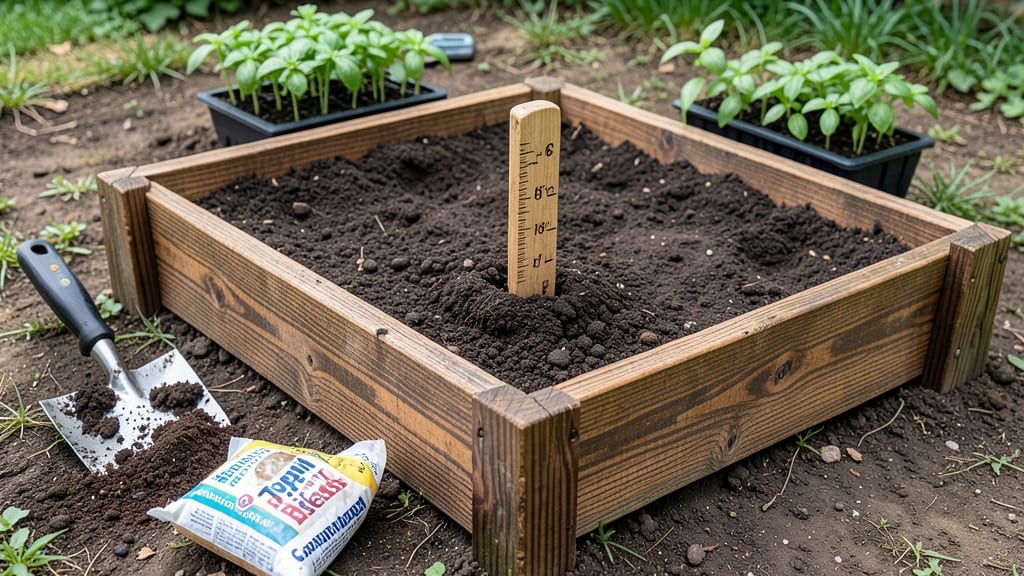
For a 4x4 raised garden, you'll need 16 cubic feet of soil when filled to 4 feet deep (4' × 4' × 4'). Most gardeners opt for 8–12 cubic feet instead, using 12–18 inches of soil for optimal root growth and moisture retention.
Understanding soil volume is key to avoiding shortages or waste. A 4x4 garden's total capacity depends on your frame height—standard 10–12" beds need about 8 cubic feet, while deeper 18" beds require 12 cubic feet.
Remember that soil settles over time, so always buy 10–20% more than your calculations suggest. 🌱 For example, a 12" deep bed might start with 8 cubic feet but compact to 7 after a season. Pre-mixed bags are convenient but often costlier—consider bulk topsoil combined with compost for better value.
Pro tip: Mix in 30% compost by volume to improve fertility and water retention. This blend also prevents soil from becoming too dense, which can restrict root growth. Always test your garden's drainage first—amendments like perlite or sand may be needed if water pools after rain.
💡 In This Article
- Calculating Soil Volume for Raised Garden Depths
- Best Soil Mixes for 4x4 Raised Gardens
Calculating soil volume for raised garden depths
The volume of soil needed for your 4x4 raised bed comes down to simple geometry: multiply length × width × depth. For a 4-foot square bed filled to 4 feet deep, that’s 16 cubic feet (4 × 4 × 4).
However, most gardeners use 12–18 inches (1–1.5 feet) of soil—this translates to 8–12 cubic feet—because deeper beds aren’t always practical for root systems or maintenance. 🌱
Frame height matters because it determines your maximum depth. A standard 10-inch-tall frame limits you to 8.3 cubic feet (4 × 4 × 0.83), while an 18-inch frame allows 12 cubic feet (4 × 4 × 1.5).
Here’s the catch: soil settles over time due to organic matter decomposition (20–30% volume loss) and compaction from foot traffic or watering. For example, a 12-inch bed might start with 8 cubic feet but shrink to 6–7 cubic feet after a season.
Root depth also influences your choice. Most vegetables thrive in 12–18 inches of soil, but deep-rooted crops like carrots or potatoes need 18+ inches. Shallower beds (6–12 inches) work for greens or herbs but may require frequent watering.
Always account for 10–20% extra soil to offset settling—this means buying 9–14 cubic feet for a 12-inch bed instead of the calculated 8.
Consider soil density too. Loose, airy mixes (like those with compost or perlite) weigh less than dense clay-heavy soil. A cubic foot of topsoil can weigh 40–60 pounds, while a well-amended blend might weigh 30–50 pounds.
Heavier soil strains frames and requires sturdier construction. For a 4x4 bed, that’s 320–960 pounds of soil—factor in delivery logistics if buying in bulk!
Pro tip: Use a soil calculator (available online) to adjust for your frame’s exact height and desired depth. For instance, a 14-inch frame with 16-inch soil depth needs 11.2 cubic feet—round up to 12 cubic feet to account for settling.
Precision here saves you from running out mid-project or overpaying for excess soil.
One common mistake? Ignoring the frame’s internal dimensions. A 4x4 frame might measure 3.5×3.5 feet inside—subtracting 6 inches from each side. This reduces volume by ~25%, so a 12-inch-deep bed would need 6.1 cubic feet instead of 8. Always measure your frame’s interior space for accuracy. 💡