
Fertilization
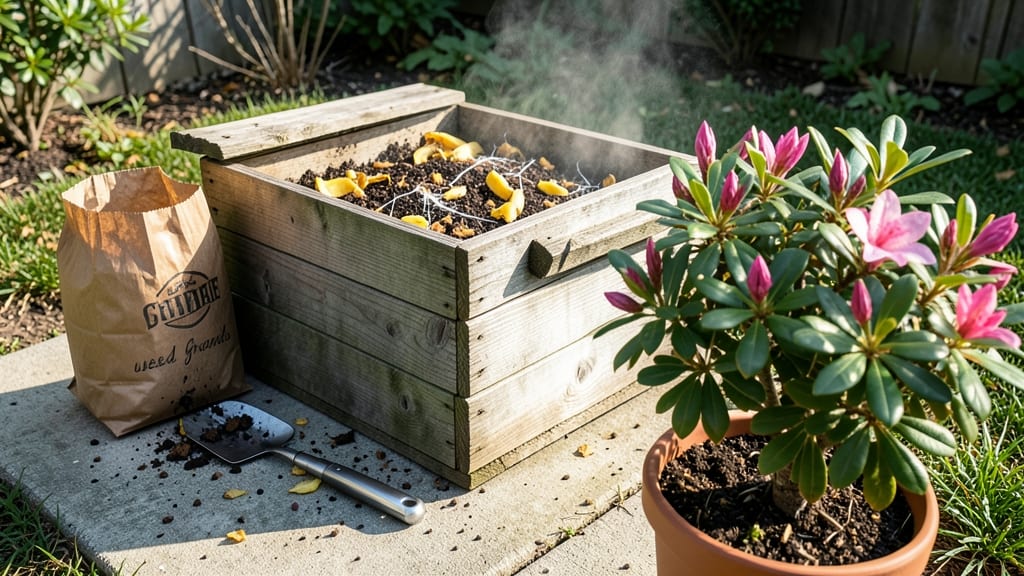
Using coffee grounds as garden fertilizer provides nitrogen-rich nutrients that boost soil health and acid-loving plants like azaleas, blueberries, and tomatoes, while improving moisture retention and deterring pests like slugs and snails.
Coffee grounds work as a natural fertilizer because they're packed with essential nutrients like nitrogen, potassium, and trace minerals that plants crave. 🌱 The grounds also help lower soil pH, making them perfect for acid-loving plants while improving soil structure.
Unlike commercial fertilizers, they're free, eco-friendly, and break down slowly to prevent nutrient runoff. I've seen firsthand how a thin layer around plants reduces slug activity and keeps soil moist longer between waterings.
For best results, mix used grounds into compost or sprinkle them lightly around plants (about 1/4 cup per plant every few weeks). Fresh grounds can attract pests, so always use cooled, dried ones.
This method works wonders for garden beds, container plants, and even lawns—just avoid overdoing it, as too much can make soil too acidic.
💡 In This Article
- How Coffee Grounds Improve Soil and Plant Nutrition
- Best Ways to Apply Coffee Grounds for Different Plants
How coffee grounds improve soil and plant nutrition
Coffee grounds are a nutrient powerhouse because they contain roughly 2% nitrogen by weight—about 1-2% of the nitrogen content in synthetic fertilizers. When they decompose, this nitrogen converts into plant-available forms like ammonium and nitrate, which feed roots directly.
The grounds also supply smaller but valuable amounts of phosphorus (0.1-0.2%) and potassium (0.5-1%), along with trace minerals like magnesium and copper that many soils lack. 🌱 What makes them unique is their ability to slowly release nutrients over 2-4 weeks, unlike quick-release fertilizers that burn plants with sudden nutrient spikes.
The real magic happens in the soil microbiome. Coffee grounds attract beneficial bacteria and fungi that break them down, creating a feedback loop where these microbes produce enzymes that further unlock nutrients. Studies show that coffee-ground-amended soil can increase microbial activity by up to 30% compared to untreated soil.
This microbial boost improves nutrient cycling, helping plants absorb phosphorus and other minerals more efficiently. The organic matter from grounds also enhances soil structure, increasing water retention by 20-30% while preventing compaction.
For acid-loving plants like blueberries or hydrangeas, coffee grounds work wonders because they lower soil pH by releasing organic acids during decomposition. A 1-inch layer of grounds can reduce pH by 0.5-1.0 points over time, creating ideal conditions for plants that thrive in pH 4.5-6.0 ranges.
However, this acidifying effect is gentle compared to commercial acidic fertilizers, making it safer for sensitive plants. The caffeine in grounds (about 0.1-0.2% remaining after brewing) even acts as a natural pest deterrent, repelling slugs and snails without harming plants.
Where coffee grounds outshine commercial fertilizers is in their sustainability. They're a zero-waste solution that diverts brewing byproducts from landfills while providing slow-release nutrition. Unlike synthetic fertilizers that can leach harmful nitrates into groundwater, coffee grounds break down safely, adding organic matter that improves long-term soil health.
The trade-off? They require patience—fresh grounds can initially tie up nitrogen as microbes decompose them, so it's best to compost them first or apply them in small, frequent doses.
Consider this comparison: A 1-cup serving of used coffee grounds contains roughly 0.5 grams of nitrogen, similar to what a 1/4 teaspoon of synthetic urea fertilizer would provide.
However, the organic matter and microbial benefits of coffee grounds make them far more valuable for soil structure and long-term plant vitality. For container gardens, mixing 10-20% coffee grounds into potting soil can create a nutrient-rich medium that retains moisture while supporting root growth.
The key to maximizing benefits lies in balance. While coffee grounds are excellent for acid-loving plants, they're not a universal solution—overuse can make soil too acidic for vegetables like beans or carroots, which prefer neutral to slightly alkaline conditions (pH 6.0-7.5).
Always test your soil's pH before applying, and pair coffee grounds with compost or lime if needed to maintain optimal growing conditions. 🌿