
Fertilization
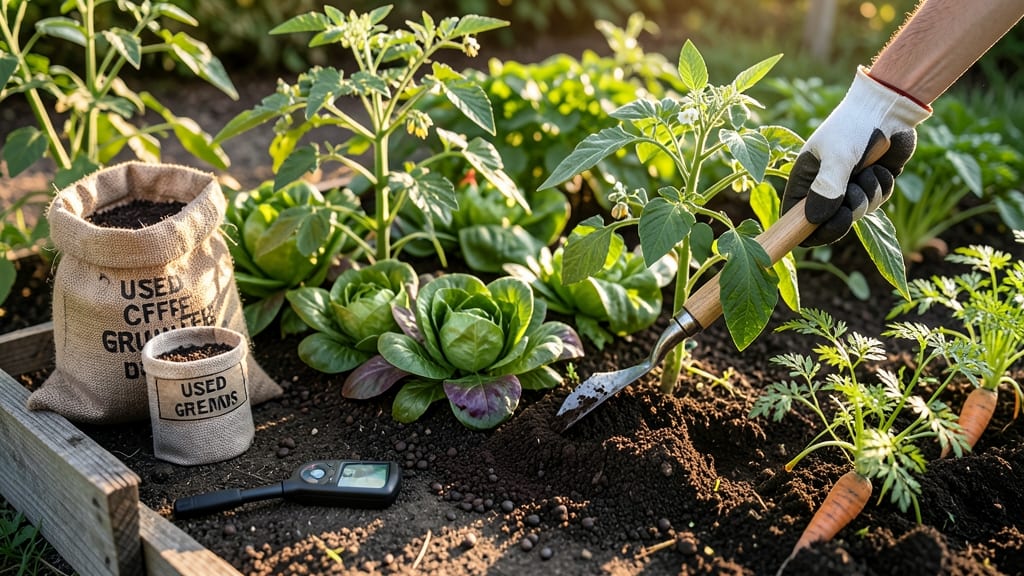
Using coffee grounds in the vegetable garden boosts soil fertility with nitrogen, encourages earthworm activity, and naturally deters weeds—but should be applied carefully to avoid over-acidifying the soil or attracting slugs.
Coffee grounds work as a natural fertilizer because they're packed with nitrogen, a key nutrient that helps plants grow lush and green. 🌱 When mixed into the soil, they also create a crumbly texture that improves drainage while providing a slow-release food source for beneficial microbes.
I've seen firsthand how a thin layer of grounds around tomato plants can deter weeds by blocking sunlight while breaking down over time.
However, the acidity in coffee grounds means you shouldn't use them on every plant—especially those that prefer neutral or alkaline soil like beans or carrots.
A good rule of thumb is to mix them with compost or sprinkle lime to balance the pH. For best results, I recommend working them into the top 2-3 inches of soil or using them as mulch around acid-loving plants like blueberries or raspberries.
💡 In This Article
- How Coffee Grounds Benefit Soil and Plant Growth
- Best Practices for Applying Coffee Grounds in Gardens
How coffee grounds benefit soil and plant growth
Coffee grounds contain about 2% nitrogen by weight—roughly 20 pounds of nitrogen per 1,000 pounds of dry grounds. When these grounds decompose, they release nitrogen slowly over 2-4 weeks, feeding plants in a way that mimics natural leaf litter.
This process also stimulates microbial activity, creating a thriving ecosystem that breaks down organic matter faster and improves soil aeration. The porous texture of used grounds helps create tiny air pockets, reducing soil compaction while retaining moisture better than bare soil.
The caffeine in coffee grounds (about 0.1-0.2% by weight) acts as a natural pesticide, deterring pests like slugs and snails when used as mulch. Studies show that 1-2 inches of grounds spread around plants can reduce slug populations by up to 40% while suppressing weeds by blocking sunlight.
The mulch effect also conserves soil moisture—gardens with coffee grounds retain 20-30% more water than those without, especially in sandy soils where water drains quickly.
For plants that love acidic soil (like blueberries, azaleas, or potatoes), coffee grounds act as a slow-release acidifier. A pH drop of 0.5-1.0 units can occur over months, making them ideal for acid-loving crops. However, the effect is mild compared to chemical fertilizers, giving you precise control.
The breakdown process also releases trace minerals like potassium and phosphorus, though in smaller amounts than nitrogen. This balanced nutrient release makes coffee grounds particularly effective for leafy greens like lettuce and spinach.
What's often overlooked is how coffee grounds improve soil structure over time. Their fibrous texture helps bind clay particles while preventing sandy soils from becoming too loose.
In my own garden, I've noticed that areas with coffee grounds develop a darker, richer color within weeks—this visual change indicates increased organic matter and better water retention. The grounds also create a slightly cooler microclimate at the soil surface, which can reduce heat stress on shallow-rooted plants during summer.
One key mechanism is the stimulation of earthworms. Coffee grounds provide an ideal food source for these soil aerators, which then create burrows that improve drainage and root penetration.
A single earthworm can process up to 1 pound of soil per year, breaking down organic matter and enriching it with castings. This symbiotic relationship is why coffee grounds often lead to 2-3 times more worm activity in treated garden beds compared to untreated areas.
However, the benefits aren't universal. Coffee grounds work best in well-draining soils—if applied to heavy clay, they can create anaerobic pockets that harm roots. The nitrogen release also makes them unsuitable for legume plants (like peas or beans) that fix their own nitrogen through root nodules.
Always test your soil's pH first: coffee grounds should only be used when the current pH is above 6.0 for most vegetables.