
Vegetables
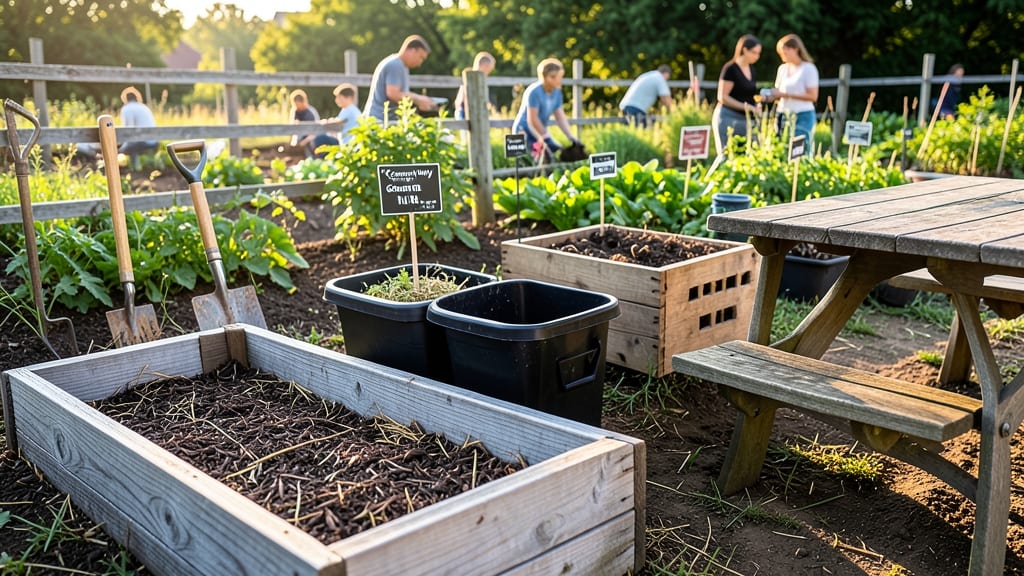
Community garden pics reveal how thoughtful plant arrangements create vibrant, functional spaces that blend food production with ecological benefits. These images highlight layered planting schemes, sun/shade zoning, and shared infrastructure that make gardens both productive and community hubs.
Looking at successful community garden pics helps you spot patterns that work—like grouping tall sun-loving tomatoes with low-growing herbs to maximize sunlight while keeping paths clear. 🌱 Many gardens also incorporate "pollinator corridors" with native flowers along borders, which not only support bees but create striking visual borders in photos.
The most inspiring layouts often feature central gathering spots with benches or picnic tables, making the garden feel like an extension of the neighborhood rather than just a plot of land.
What makes these photos particularly valuable is how they document the seasonal evolution of gardens. Early spring shots might show cold-hardy greens in raised beds, while summer images capture lush vines climbing trellises or shared harvest tables overflowing with zucchini.
These visual timelines help new gardeners plan their own planting rotations and understand how to maintain productivity throughout the year.
💡 In This Article
- Design Principles Behind Successful Community Garden Layouts
- How to Photograph Your Community Garden for Inspiration
Design principles behind successful community garden layouts
Successful community gardens thrive because their layouts balance practicality with visual appeal, often using a technique called zoning to group plants by sunlight needs and growth habits.
For example, tall sun-loving crops like corn or sunflowers typically occupy the north side of beds to avoid shading shorter plants, while leafy greens and herbs get placed in the south for maximum exposure.
This strategic arrangement isn't just about aesthetics—it maximizes yield by ensuring every plant gets its ideal 6-8 hours of sunlight daily, which is critical for photosynthesis and growth.
The science of companion planting also plays a key role in these layouts. Photos of thriving gardens often show basil tucked between tomato plants to repel pests, or marigolds bordering beds to deter nematodes.
These pairings aren't random; they're based on centuries of observation that certain plants enhance each other's growth—like how carrots improve the flavor of dill while keeping it pest-free.
The visual contrast between deep green basil and vibrant red tomatoes also creates striking focal points in garden photos, making the space more inviting for visitors.
Accessibility is another design principle that appears in many successful community garden pics. Features like raised beds with 12-inch heights accommodate gardeners of all mobility levels, while wide, smooth paths (typically 3-4 feet wide) ensure easy navigation for wheelchairs and strollers.
These thoughtful details aren't just functional—they encourage more people to participate, which is why you'll often see shared tool stations or benches placed along pathways in inspiring layouts. The goal is to make gardening feel inclusive rather than like a chore.
Vertical gardening is a space-saving technique that frequently appears in community garden photos, especially in urban settings where land is limited. Trellises for climbing beans or cucumbers can add up to 10 feet of growing space in a single bed, while hanging baskets for herbs or strawberries utilize overhead areas.
The visual effect is dramatic—lush greenery cascading down walls or arching over pathways creates a lush, almost tropical atmosphere. This approach also makes harvests more visible, which can inspire other gardeners to try new techniques.
Seasonal rotations are another hallmark of well-designed community gardens. Photos often show the same beds transitioning from winter cover crops (like clover) to spring greens, then summer tomatoes, and finally fall squash. This rotation prevents soil depletion and keeps the garden visually dynamic throughout the year.
The contrast between a bed full of winter kale and one bursting with summer peppers makes for compelling before-and-after shots that highlight the garden's productivity.
Finally, the most inspiring community garden layouts include shared gathering spaces like picnic tables or pergolas draped with vines. These elements transform the garden from a purely functional space into a community hub where people can relax, socialize, and even host small events.
The presence of these features often correlates with higher participation rates, as they create a sense of ownership and belonging among gardeners. 🌿