
Companion Plants
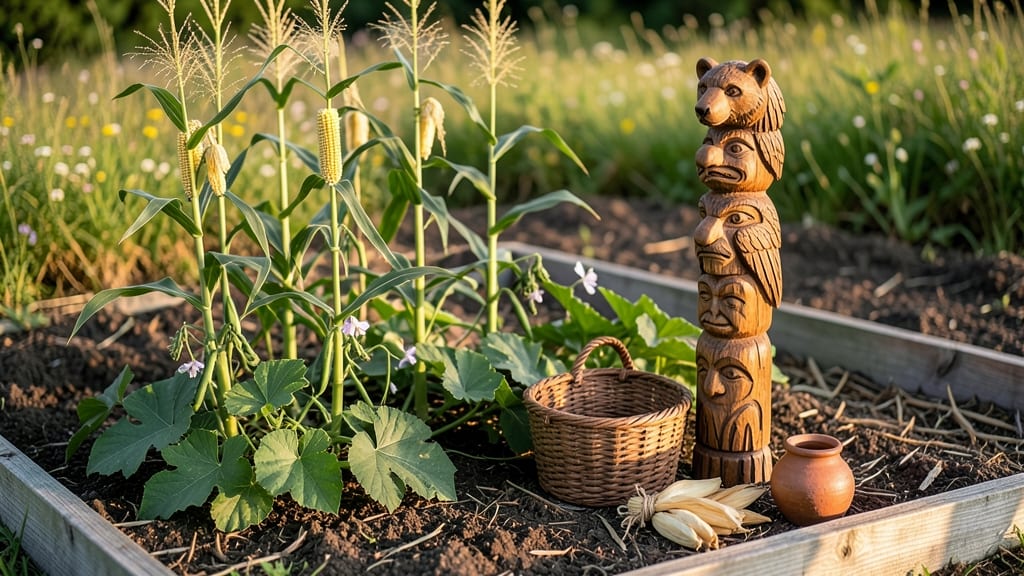
A strategic companion garden layout 🌱 can transform your plot into a thriving ecosystem where plants support each other instead of competing.
Struggling with pests, poor yields, or wasted space in your garden? A well-planned companion garden layout isn’t just about aesthetics—it’s a game-changer for pest control and harvest size. The right pairings can slash chemical use while boosting flavor and growth.
Whether you’re working with a small raised bed or a sprawling backyard, the key lies in understanding which plants thrive together. For example, marigolds near tomatoes deter nematodes, while basil next to peppers repels flies—simple swaps that make a big difference.
Below, I’ll walk you through proven plant pairings, spatial planning tips, and how to design a layout that works for your space—no matter your gardening experience.
Best companion planting groups for pest control and growth boosts
A well-designed companion garden layout doesn’t just save space—it creates a thriving ecosystem where plants support each other. The right pairings can repel pests naturally, improve soil health, and even boost flavor.
For example, basil paired with tomatoes deters whiteflies while enhancing tomato taste. Let’s explore the science-backed groups that work best together.
One of the most famous trio is the Three Sisters—corn, beans, and squash.
The corn provides a trellis for beans to climb, the beans fix nitrogen in the soil for the corn, and the squash acts as a living mulch to suppress weeds and deter pests like raccoons. This Native American tradition is a perfect example of how companion planting maximizes resources.
Here’s a summary-table of proven companion groups, their benefits, and how to arrange them in your garden for optimal results:
Another powerhouse pairing is the allium family—think onions, garlic, and leeks—when planted near tomatoes, carrots, or lettuce. These plants release compounds that repel pests like aphids and tomato hornworms while also improving the flavor of nearby crops.
Studies show that garlic alone can reduce fungal diseases in tomatoes by up to 40%.
Don’t overlook the role of flowers in a companion garden. Marigolds and nasturtiums are not just pretty—they’re pest deterrents. Marigolds release a chemical called alpha-terthienyl, which repels nematodes and other soil-borne pests.
Plant them around the edges of your garden or interspersed among cucumbers or squash to keep pests at bay.
For herb lovers, basil is a game-changer. When planted alongside tomatoes, it deters whiteflies and improves tomato flavor. Meanwhile, dill paired with cucumbers attracts beneficial predatory wasps that hunt cucumber beetles.
Even mint, often considered invasive, can be a star companion for cabbage or peppers—just contain it in pots to prevent spreading.
When designing your companion garden layout, remember to group plants by their height and sunlight needs. Tall plants like corn or sunflowers should face south to avoid shading shorter crops.
Place shallow-rooted plants like lettuce near the edges, while deeper-rooted crops like carrots or parsnips can thrive in the center. This vertical layering maximizes space and sunlight exposure.
One common mistake is planting competitive pairs together, like potatoes and tomatoes, which can attract the same pests or compete for nutrients. Instead, pair potatoes with beans or corn to improve soil health. Always research your specific pairings before planting to ensure harmony in your garden.
Finally, rotate your companion plant groups yearly to prevent soil depletion and pest buildup. For example, after planting the Three Sisters in one bed, follow with alliums and leafy greens the next season. This crop rotation keeps your soil balanced and your garden thriving naturally.
With these
How to design a companion garden layout based on your space
A well-planned companion garden layout maximizes your space while leveraging nature's pest-repelling benefits. Start by assessing your garden's unique conditions—whether it's a 4x8-foot raised bed, a sunny in-ground plot, or a vertical wall garden.
Each space requires different strategies for plant spacing, sunlight exposure, and companion pairings to thrive.
Begin by grouping plants with similar sunlight needs—like tomatoes and basil in full sun or lettuce and chives in partial shade. This ensures every plant gets the right conditions without competing for resources.
For small spaces, prioritize vertical growth like pole beans or cucumbers to free up ground space for root crops.
🌱
Step-by-Step Companion Garden Layout Guide
- 1. Map Your Space
- Sketch your garden beds, noting sunlight hours (e.g., 6+ hours for tomatoes, 4-6 for herbs). Use stakes to mark plant locations based on mature sizes.
- 2. Group by Height
- Place tall plants (e.g., corn, sunflowers) on the north side to avoid shading smaller crops. Use dwarf varieties (e.g., bush beans) for edges.
- 3. Pair for Pest Control
- Plant marigolds near tomatoes to deter nematodes, or basil beside peppers to boost flavor. Avoid conflicting pairs like onions and beans.
- 4. Plan for Succession
- After harvesting early crops (e.g., radishes), replant with slow growers (e.g., carrots or kale). Rotate families yearly to prevent soil depletion.
- 5. Add Mulch & Pathways
- Use straw or wood chips to retain moisture and suppress weeds. Leave 12-inch pathways for easy access without compacting soil.
For small spaces, opt for interplanting—growing fast crops like radishes between slower ones like cabbage. In containers, pair shallow-rooted herbs (e.g., thyme) with deeper-rooted veggies (e.g., cherry tomatoes). Always leave 6-12 inches between plants for airflow, reducing disease risk.
Seasonal rotations are key: Plant cool-season crops (e.g., spinach, peas) in early spring, then swap for heat-lovers (e.g., peppers, eggplants) after the last frost. Use seasonal markers like blooming nasturtiums to track planting times naturally.
Test your layout before planting by walking through it with a notebook and ruler. Adjust spacing if plants appear crowded, and swap underperforming pairs. With practice, your companion garden layout will become a pest-free, high-yielding sanctuary.
✂️