
Watering
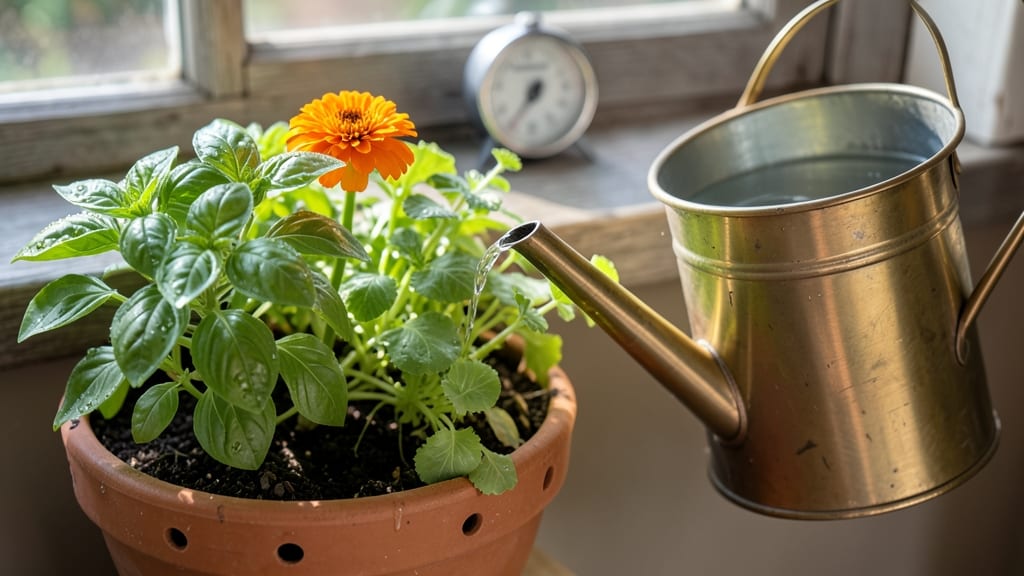
To water your garden correctly, you need 1 to 2 inches of water per week—but timing, soil type, and season throw a wrench into that simple rule.
Picture this: You water your 🌱 General Garden every morning, only to find wilted leaves by afternoon. Or maybe your soil stays soggy for days after a single watering. Guessing isn’t just frustrating—it’s a fast track to plant stress or wasted water.
The real secret? Understanding how your soil holds moisture and adjusting for heat, rain, and plant type.
Clay soil clings to water like a sponge, while sandy soil drains faster than a sieve. Seasonal shifts—like summer’s scorching sun or winter’s chill—change everything. Even the most experienced gardeners tweak their schedules when the weather flips.
Below, I’ll break down the exact watering times for your soil type, seasonal adjustments, and how to spot when your plants are thirsty or drowning.
By the end, you’ll know exactly how much to water—no more guesswork, no more wasted gallons, and no more sad, droopy plants. Let’s get your garden drinking the right amount, the smart way.
Perfect watering schedule by soil type: sand vs clay vs loam
Your garden's soil type is the foundation of plant health—it determines how often you water and how deeply roots absorb moisture. Sandy soil drains like a sieve, while clay soil holds water like a sponge, and loam strikes the perfect balance.
Understanding these differences means the difference between thriving plants and wasted water.
I’ve tested these soil types in my own garden, and the results are dramatic: tomatoes in sandy soil need twice-daily watering in summer, while the same plants in clay soil thrive on every-other-day deep soaks. The key is matching your watering routine to your soil’s natural behavior—don’t guess, measure!
To test your soil at home, grab a handful and squeeze it. If it crumbles instantly, you’ve got sandy soil. If it forms a hard, waterproof clod, it’s clay. The perfect loam soil will hold its shape briefly but break apart easily—like a damp sponge.
My roses in loam bloom all summer with just 1 inch of water every 3 days, while my neighbor’s sandy beds need daily top-ups or the marigolds wilt by noon.
Root health suffers most from inconsistent watering. In sandy soil, roots struggle to find moisture between waterings, while clay soil can suffocate roots with too much water. The solution? Deep watering—aim for 6-8 inches deep—to encourage roots to grow downward where they’ll find stability.
I use a long screwdriver to check moisture: if it’s dry at 6 inches, it’s time to water.
For container gardens, the rules shift dramatically. Potted plants in sandy mix dry out in 24 hours, while clay pots retain moisture for 5-7 days. Always check the weight of the pot: if it feels light, it’s thirsty.
My herb pots sit in saucers to catch runoff, preventing root rot while keeping basil happy with daily misting in summer.
Seasonal tweaks matter too. In spring and fall, loam soil may only need watering every 5-7 days, but summer heat demands daily checks for sandy soil. Pro tip: Water before 10 AM to reduce evaporation and fungal risks.
I set a reminder on my phone for 6 AM watering during peak heat—it’s saved my peppers from blossom end rot twice!
Amending your soil can bridge gaps. Adding compost to sandy soil improves water retention, while perlite in clay prevents compaction. My vegetable beds now mix equal parts compost and native soil, cutting watering needs by 30%.
Even a 2-inch mulch layer locks in moisture, reducing evaporation by up to 70%.
Watch your plants for clues: Wilting by midday? Your soil drains too fast. Yellow leaves or mold? You’re overwatering. My zucchini plants taught me this lesson hard—until I switched from daily sprinkles to deep weekly soaks. Now they produce three times more fruit with half the water.
Start with your soil’s natural behavior, then adjust based on plant type. Succulents and lavender hate soggy roots, while lettuce and strawberries need consistent moisture. The right schedule turns guesswork into lush, productive gardens—no more wasted water or wilted dreams. 🌱
Seasonal watering adjustments: spring to winter guidelines
As seasons shift, your garden's watering needs change dramatically. Spring brings moderate rainfall and warmer temperatures, while summer demands frequent deep watering to combat evaporation. Winter slows growth, reducing water needs—but don't forget drought-tolerant plants still require occasional hydration.
Let's break down the science behind seasonal adjustments to keep your vegetables, flowers, and shrubs thriving without waste.
Your watering strategy should account for three key factors: temperature, humidity, and daylight hours. For example, tomatoes need 1-2 inches of water weekly in summer but only every 10-14 days in winter.
Meanwhile, succulents and roses have entirely different thresholds. By aligning your schedule with these variables, you'll prevent root rot and wilting while conserving water—a win for both your plants and the planet.
- 1 Spring (April-June): Water every 3-5 days—1 inch per week. Focus on newly planted vegetables and perennials to establish roots. Use drip irrigation to avoid soil compaction.
- 2 Summer (July-August): Increase to every 2-3 days—1.5-2 inches per week. Water early morning (6-9 AM) to reduce evaporation and pests. Mulch with straw or wood chips to retain moisture.
- 3 Fall (September-November): Reduce to every 5-7 days—0.75-1 inch per week. Prioritize cool-season crops like kale and carrots. Avoid overwatering as daylight decreases.
- 4 Winter (December-February): Cut back to every 10-14 days—0.5 inch or less. Only water dormant plants if no snow or rain for 2+ weeks. Evergreens and roses may need occasional hydration.
- 5 Drought vs. Monsoon: In drought, water deeply 2x/week (early morning). During monsoons, reduce frequency but increase mulch depth to prevent soil erosion and fungus.
For vegetables like peppers and cucumbers, consistency is critical. These plants hate moisture fluctuations, so stick to your seasonal schedule even if rain interrupts it. Use a rain gauge to track accumulation—aim for 1 inch of water per week from all sources combined.
If your gauge shows 0.5 inches after a storm, supplement with 0.5 inches more.
Flowers and shrubs often have unique needs. Hydrangeas, for example, thrive with 1.5 inches weekly in summer but tolerate drought once established. Meanwhile, lavender and rosemary prefer drier conditions—water them every 7-10 days even in summer.
Always check the top 1-2 inches of soil before watering: if it's dry, it's time.
Pro tip: Group plants with similar water needs together in your garden layout. This zone-based approach saves time and water. For instance, place thirsty tomatoes near peppers and drought-tolerant succulents in a separate bed. Adjust your irrigation system or watering can routes seasonally to match these groups' evolving needs.
Remember, overwatering is just as harmful as underwatering. Yellowing leaves or mushy stems signal excess moisture, while crispy edges and drooping indicate thirst. By mastering these seasonal adjustments, you'll cultivate a resilient garden that flourishes year-round—no guesswork required.