
Container Gardens
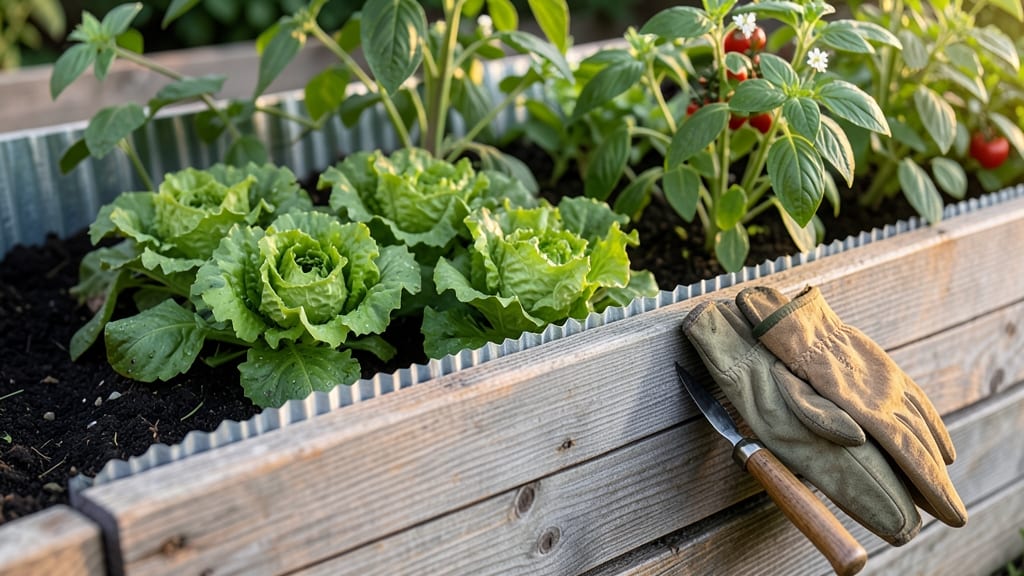
Corrugated metal and wood raised garden beds each bring unique strengths: metal beds resist rust and last 15+ years but require a higher upfront investment of $100–$300, while wood (especially cedar or redwood) starts at $50–$150 but demands regular sealing every 3–5 years to combat rot and pests. Your choice hinges on balancing initial costs, climate conditions, and how much maintenance you're willing to handle.
Metal beds shine in longevity and low-maintenance performance, especially in humid climates where wood rots faster. 🌱 The corrugated design also provides excellent drainage, reducing water pooling that accelerates wood decay.
On the flip side, wood beds offer natural insulation for plant roots and a more rustic aesthetic—ideal for gardeners who prioritize visual appeal over durability. Many homeowners opt for wood initially but upgrade to metal after 5–7 years when maintenance costs start adding up.
For those torn between the two, consider hybrid designs where metal frames support wood slats—this combines metal's structural benefits with wood's warmth and affordability. I've seen this approach cut costs by 20–30% while extending the bed's lifespan by nearly a decade.
The key is matching your choice to your garden's specific needs: metal for high-traffic areas or coastal climates, wood for budget-conscious beginners or ornamental gardens.
💡 In This Article
- Material Science: Why Metal Outlasts Wood in Raised Beds
- Budget-Friendly Wood vs. Metal Raised Bed Build Guide
Material science: why metal outlasts wood in raised beds
Corrugated metal raised beds resist decay because of their galvanized steel construction, which features a zinc coating that creates a protective barrier against moisture and corrosion.
This coating reacts with oxygen to form a stable zinc oxide layer that seals the metal, preventing rust from forming even in wet conditions. 🔥 In contrast, wood absorbs moisture at a rate of about 10–15% of its dry weight when exposed to soil, leading to swelling, warping, and eventual rot.
The natural oils in cedar or redwood slow this process, but even these premium woods lose structural integrity within 5–7 years without regular treatment.
The corrugated design of metal beds also plays a critical role in longevity. The ridges create natural drainage channels that prevent water from pooling, which is a major cause of wood rot.
In humid climates, wood beds can lose 30–50% of their structural integrity within 3 years due to fungal growth, while metal beds maintain their shape and strength. Additionally, metal reflects sunlight rather than absorbing it like wood, reducing UV degradation—a factor that causes wood to crack and splinter over time.
Pests pose another challenge for wood beds. Termites and carpenter ants target untreated wood, tunneling through it and compromising the bed's integrity.
Metal, however, is impervious to these pests, making it the clear winner in areas with high insect activity. 💫 The trade-off is that metal beds can heat up under direct sunlight, reaching temperatures of 120–150°F on hot days, which may stress heat-sensitive plants like lettuce or spinach unless shaded.
Wood, while prone to rot, retains heat better in cooler climates, creating a more stable microclimate for root systems.
For gardeners in coastal regions, metal's resistance to salt spray is a game-changer. Salt accelerates wood decay by 2–3 times the normal rate, but galvanized metal remains unaffected. This makes metal beds ideal for seaside gardens where wood would fail within 2–3 years.
The initial cost of metal beds is offset by their ability to withstand harsh conditions without maintenance, whereas wood beds require annual sealing with waterproofing stains or oils, adding $50–$100 per year to long-term costs.
Structural stability is another key advantage of metal. A 4' x 8' metal bed can support 500–800 lbs of soil and plants without sagging, while a similarly sized wood bed may warp or develop weak spots over time.
The rigidity of metal also makes it easier to customize heights—ideal for accessibility or drainage—without worrying about structural compromise. 🌟 Wood beds, while easier to modify initially, often require reinforcement after 2–3 years as the wood loses strength.
Ultimately, the choice between metal and wood comes down to balancing durability with practicality. Metal's resistance to moisture, pests, and structural failure makes it the superior long-term investment, especially in challenging climates.
However, for gardeners prioritizing aesthetics or budget, wood offers a cost-effective alternative—with the caveat that it demands consistent upkeep to match metal's longevity.