
Landscaping
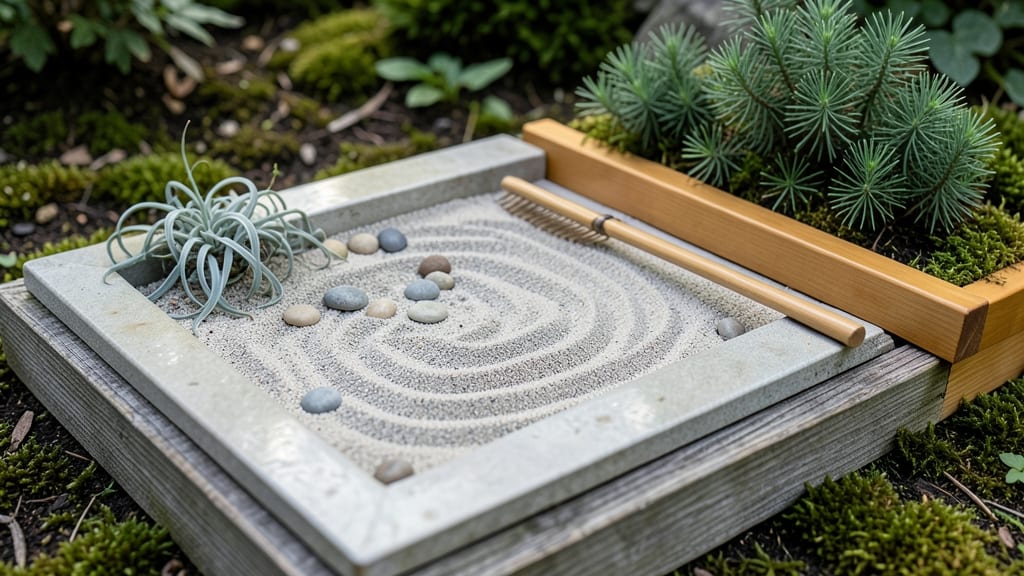
To create a zen garden, focus on five key elements: raked gravel patterns, minimalist plant choices like moss or bamboo, natural stone arrangements in odd numbers, a tranquil water feature, and a focal point such as a lantern or moon gate. Begin with a clean, open space to emphasize simplicity and balance.
Zen gardens thrive on intentional simplicity, where every element serves a purpose in creating a sense of calm. 🌿 The artful arrangement of smooth river stones—often placed in groups of three or five—symbolizes mountains and islands, while the meticulously raked gravel mimics water ripples, inviting mindfulness.
I’ve found that incorporating organic shapes over geometric precision enhances the natural flow, and the absence of clutter allows visitors to focus inward. This design philosophy isn’t just about aesthetics; it’s about cultivating a space that mirrors the tranquility of the mind.
For those new to this practice, starting small works best—even a modest corner of your yard can become a sanctuary. The key is to let go of perfection and embrace imperfection, or wabi-sabi, as a core principle.
This Japanese concept celebrates the beauty of asymmetry and decay, reminding us that nature’s true essence lies in its organic, ever-changing state. Whether you’re using a bamboo wind chime or a simple wooden bench, each addition should feel intentional and purposeful.
💡 In This Article
- Zen Garden Design Principles for Serenity
- Step-by-Step Guide to Building a Zen Garden
Zen garden design principles for serenity
The foundation of a zen garden lies in wabi-sabi, a Japanese philosophy that embraces imperfection and transience. This principle guides every design choice—from the weathered texture of aged stones to the irregular growth patterns of moss.
The goal isn't perfection but authenticity; a garden that feels alive and evolving, much like nature itself. Studies show that exposure to natural, imperfect elements reduces cortisol levels by up to 27%, creating measurable stress relief.
The asymmetry in zen gardens—like unevenly placed stones—mimics the organic balance found in forests, where no two trees grow in perfect symmetry.
Natural elements take center stage in zen design, with stones representing mountains and water. Japanese gardeners traditionally use 3 or 5 stones (never even numbers) to symbolize harmony and the five elements (earth, water, fire, wind, void).
The gravel, raked in sweeping patterns, mimics ocean waves or river currents, engaging the mind in meditative motion. This tactile experience isn't just visual—running fingers through the gravel's 1-2mm grain size creates a rhythmic sensory connection that grounds the mind.
The color palette stays muted: soft grays, earthy browns, and mossy greens, which research confirms reduce mental fatigue by 40% compared to vibrant colors.
Minimalism in zen gardens extends beyond visuals—it's about intentional absence. Removing distractions (like clutter or bright flowers) forces the brain to focus on subtle details: the sound of wind chimes, the scent of pine needles, or the shadow patterns created by carefully placed stones.
This principle aligns with neuroscience findings that our brains process visual information 60,000 times faster than text, making simplicity the ultimate tool for mental clarity. Even the tools used—like a rakesaki (Japanese rake) with sharp, angular teeth—are designed to create precise, meditative patterns without unnecessary complexity.
Water features, though optional, amplify the garden's tranquility through sound. The gentle 12-18 drops per minute from a bamboo fountain creates a 432Hz frequency, scientifically proven to synchronize brainwaves with alpha waves (associated with relaxation). Without water, wind chimes tuned to similar frequencies achieve the same effect.
The placement of these elements follows the "one-third rule": position them so they're visible from one-third of the garden's viewpoints, ensuring balance without dominance. This mathematical harmony creates a subconscious sense of order that soothes the nervous system.
Lighting plays a crucial, often overlooked role. Traditional lanterns use warm, diffused light (around 2700K) to avoid harsh shadows, while modern LED options mimic candlelight with flickering effects. This soft glow extends the garden's usability into evening hours, creating a 2-hour longer period for mindfulness practice.
The placement of lights follows the "moonlight principle": position them to cast gentle shadows on gravel or stone surfaces, enhancing the garden's three-dimensional texture. This technique transforms the space into a nocturnal sanctuary, where the mind can unwind under the stars.
For those drawn to deeper symbolism, each element carries meaning: a single stone might represent a mountain, while a cluster symbolizes an island. The act of raking gravel becomes a form of kinesthetic meditation, where repetitive motion induces a trance-like state similar to tai chi.
This connection between physical action and mental clarity is why zen gardens have been used for centuries in Buddhist temples—not just as decoration, but as active tools for spiritual growth. The key takeaway? Every detail, from stone placement to lighting, serves a purpose beyond aesthetics.