
Pests
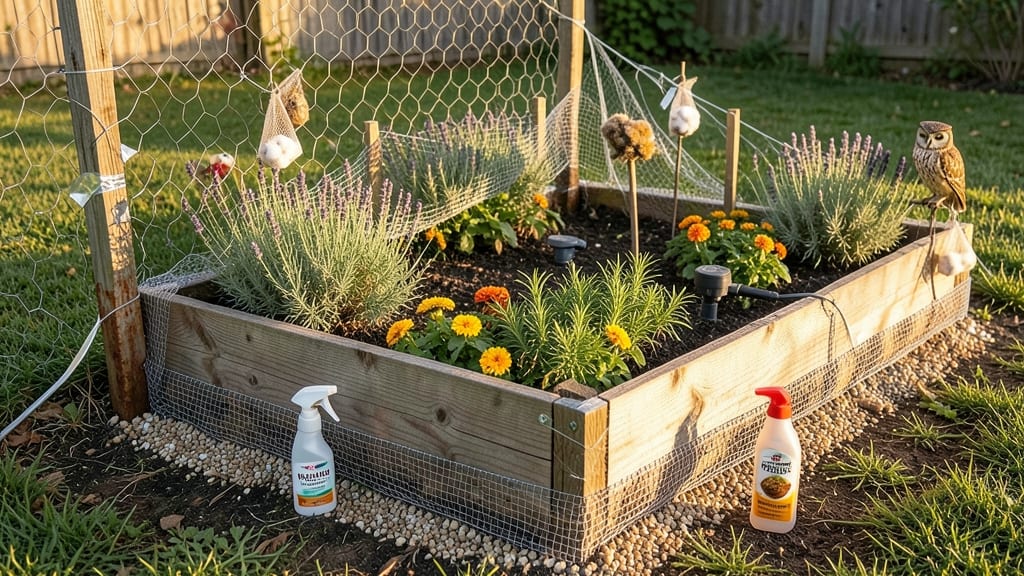
The best way to keep bunnies out of your garden combines buried chicken wire barriers (at least 12 inches deep) with natural repellents like garlic or hot pepper spray. Rotating repellents prevents rabbits from getting used to them, while avoiding harsh chemicals protects both plants and soil.
The key to success lies in understanding rabbit behavior—these creatures are persistent diggers and jumpers, capable of clearing 18-inch fences if they're motivated enough. 🌱 A buried barrier stops them from tunneling underneath, while repellents create an unpleasant experience that discourages repeat visits.
I've found that combining both methods yields the best results, especially in spring when rabbits are most active.
For example, a raised garden bed with hardware cloth edges works wonders for delicate plants like lettuce, while commercial repellents like predator urine can be more effective than DIY sprays for larger garden areas.
What many gardeners overlook is the importance of consistency—applying repellents at the same time each week reinforces the message for rabbits. The scent needs to be strong enough to deter but not so harsh that it kills beneficial insects or damages your plants.
I recommend testing any new repellent on a small patch first, especially if you have pets or children who might come into contact with the treated area.
💡 In This Article
- How Physical Barriers Deter Rabbits Effectively
- Top-Rated Rabbit Repellents for Gardens
How physical barriers deter rabbits effectively
Rabbits are master escape artists—capable of jumping 18-24 inches vertically and clearing 36-inch horizontal gaps if they sense food. Their natural behavior includes digging burrows up to 3 feet deep, which is why surface-level fences fail.
A buried barrier like chicken wire (1-inch mesh) or hardware cloth (1/4-inch mesh) blocks their tunneling instincts. The wire must extend 12 inches below ground and 12 inches above to prevent them from squeezing through or chewing over the top.
Hardware cloth outperforms chicken wire for durability—it resists rust and rabbit teeth better, lasting 5-10 years compared to chicken wire's 2-3 years. For raised beds, wrap the mesh around the edges and bend it outward at a 45-degree angle to create a physical deterrent.
Plastic mesh is cheaper ($0.50/sq ft) but degrades faster in sunlight, while hardware cloth costs $1.50/sq ft but offers long-term protection. 🌿 The key is consistency: rabbits will test weak points, so secure all edges with staples or landscape spikes.
Raised garden beds with mesh sides work exceptionally well for delicate plants like herbs and lettuce. The elevated design naturally deters rabbits since they prefer ground-level grazing. For larger gardens, install a T-post fence with mesh stretched taut between posts—this creates a visual barrier that rabbits avoid.
The fence should slope outward at the top to prevent rabbits from using it as a bridge to jump over. In areas with heavy rabbit activity, combine the fence with electric tape (low-voltage) for an extra deterrent—rabbits learn quickly to avoid the mild shock.
Seasonal adjustments matter too. In spring, when rabbits are most active due to breeding, reinforce barriers with additional mesh layers or temporary covers. Young rabbits (kits) are even more adventurous than adults, so extend barriers to 15 inches above ground during their peak activity months (March-June).
For existing gardens, retrofitting barriers can be challenging—start by protecting the most vulnerable plants first, like young seedlings or low-growing herbs.
What most gardeners miss is the psychological impact of barriers. Rabbits rely on scent and visual cues to navigate. A well-constructed fence creates a clear boundary they instinctively avoid. Pair this with repellents, and you're creating a multi-sensory deterrent that's far more effective than either method alone.
For example, a buried wire barrier combined with garlic spray sends conflicting signals—physical obstruction plus unpleasant odors—that rabbits quickly learn to associate with danger.
Pro tip: If you notice rabbit activity despite barriers, check for gaps or damage. Rabbits will exploit even a 1-inch hole in mesh. Regular inspections (every 2-4 weeks) ensure your defenses stay intact.
For high-value gardens, consider a double-layered fence with 3 inches of space between layers—this confuses rabbits and makes it harder for them to find their way in.