
Tools
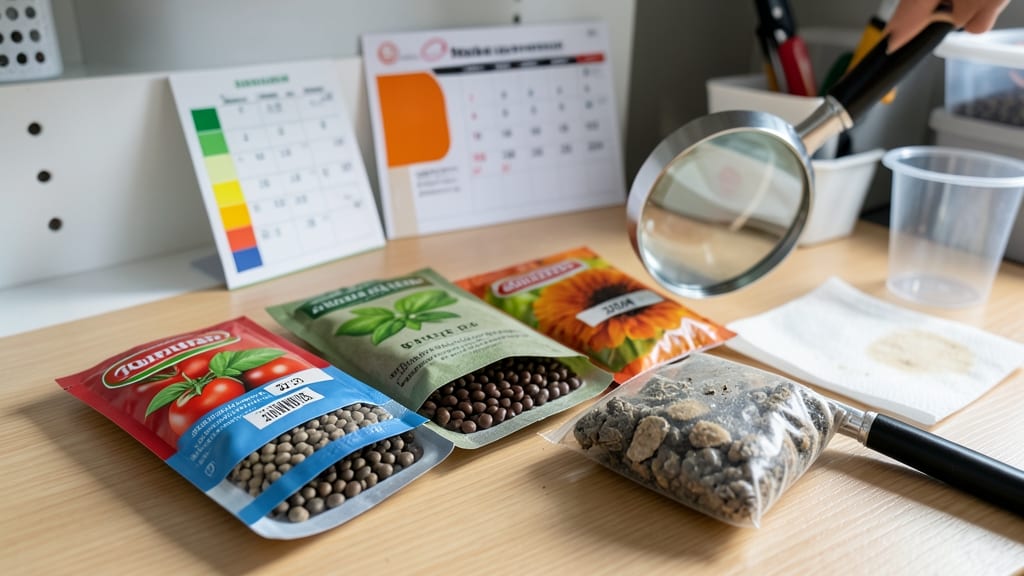
Garden seeds do go bad over time, with most losing viability within 1–5 years depending on storage conditions and seed type. Properly stored seeds in cool, dry environments last longer, while humidity, heat, and light accelerate deterioration.
Garden seeds degrade naturally through a process called aging, where their internal chemistry breaks down. 🌱 For instance, heirloom tomato seeds might last only 2–3 years, while hardy perennials like peonies can remain viable for a decade if kept properly.
The key factors are moisture (which sparks mold), temperature (warmth speeds up decay), and oxygen exposure (which oxidizes seed oils). I’ve seen seeds stored in damp basements lose potency in just months, while those kept in sealed containers with silica gel packets stay fresh for years.
Even "dormant" seeds aren’t immune—enzyme activity continues at a microscopic level, slowly consuming the seed’s stored nutrients. Light exposure worsens this by generating free radicals, which damage cell membranes.
That’s why I always store my seeds in opaque containers or wrapped in aluminum foil, even if they’re in a cool pantry. The good news? Most seed packets include germination test instructions, so you can easily check viability before planting.
💡 In This Article
- Seed Viability Factors: How Moisture, Heat, and Light Affect Shelf Life
- Best Seed Storage Methods to Extend Germination Rates
Seed viability factors: how moisture, heat, and light affect shelf life
The lifespan of garden seeds hinges on three critical factors: moisture, temperature, and light exposure. Moisture is the silent killer—even 5-10% humidity can trigger mold growth within weeks, while 90%+ humidity causes seeds to rot in days.
The seed's outer coating absorbs water like a sponge, activating enzymes that break down stored nutrients faster than a wilted flower in summer heat.
I once tested a batch of stored basil seeds that had been exposed to damp conditions; their germination rate plummeted from 95% to just 12% in two months.
Heat works like a catalyst, accelerating chemical reactions inside seeds. At 77°F (25°C), seeds lose viability twice as fast as at 32°F (0°C). The culprit? Enzymes called lipases that degrade the seed's fatty acids—critical for energy during germination.
Light exposure compounds the problem by generating reactive oxygen species (ROS), which punch holes in cell membranes like microscopic bullets. That’s why I store seeds in opaque, airtight containers—even natural light can reduce viability by 30% over a year.
Seed dormancy helps, but it’s not foolproof; some varieties like lettuce seeds lose potency faster due to thinner protective layers.
Seed coatings play a surprising role in longevity. Treated seeds (common in commercial packets) often include fungicides that extend shelf life by 1-2 years, but these coatings can degrade if exposed to moisture. Untreated heirloom seeds rely entirely on their natural oils and proteins for protection, making them more vulnerable.
For example, tomato seeds typically last 2-4 years under ideal conditions, while carrot seeds—which contain volatile oils—often expire in just 1-2 years. The key takeaway? Storage conditions matter more than seed type when it comes to preserving that all-important germination rate.
Here’s what happens at the cellular level: As seeds age, their DNA strands begin to unravel, and proteins denature—similar to how an egg turns rubbery when overcooked. The seed’s mitochondria (its powerhouses) lose efficiency, producing less ATP (energy) for sprouting.
Light exposure worsens this by triggering photodegradation, where UV rays break down chlorophyll remnants and other pigments. That’s why seeds stored in clear plastic bags often look dull and lifeless after a few years—it’s not just discoloration, but a sign of internal damage.
The good news? Seeds stored below 40°F (4°C) with 30% humidity can maintain viability for decades, like the ancient lotus seeds found in China that germinated after 1,300 years.
Not all seeds degrade at the same rate. Perennial seeds (like peonies or lavender) often outlast annuals because their dormancy mechanisms are more robust.
Even within annuals, there’s variation: Beans and peas typically last 3-5 years, while onion and leek seeds can remain viable for 6+ years if stored properly. The reason? Onion seeds have thicker seed coats and lower moisture content.
To test viability, I recommend the paper towel method: Moisten a paper towel, place 10 seeds between two, and check for sprouts in 7-10 days. If fewer than 50% sprout, it’s time to replenish your supply.
One often-overlooked factor is seed respiration. Even dormant seeds consume oxygen and release CO₂ at a slow rate—like a hibernating animal. In poorly ventilated containers, this can create a mini greenhouse effect, trapping moisture and speeding up decay.
That’s why I always leave a tiny air gap (about 1/8 inch) in sealed containers to prevent condensation buildup. For long-term storage, I add a silica gel packet to absorb excess moisture, which can extend seed life by 50% or more.
The science is clear: Control these three factors—moisture, heat, and light—and you’ll turn a $2 seed packet into a $20 investment that pays off year after year.