
Tools
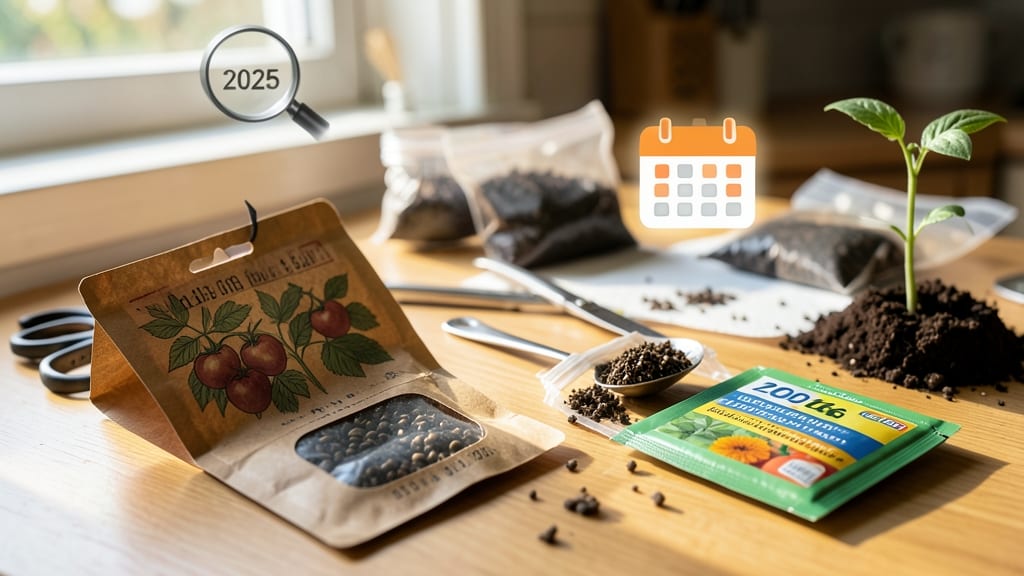
Garden seeds do expire and gradually lose their ability to sprout over time, with most varieties maintaining strong germination rates for 1–5 years. Proper storage in a cool, dry environment can help preserve their potency, while testing viability before planting ensures you're not wasting resources on old seeds.
Seed viability depends heavily on the type of seed—vegetable seeds like beans and peas often stay fresh for 3–5 years, while delicate flowers or herbs may only last 1–2 years. 🌱 Environmental factors like humidity and temperature accelerate degradation, so storing seeds in airtight containers with silica gel packets can double their lifespan.
I've learned the hard way that seeds exposed to moisture or heat lose potency much faster, which is why I keep mine in a sealed jar in my refrigerator.
The good news is that you don't need a lab to test seed freshness. A simple paper towel germination test takes just a few days: dampen a paper towel, place seeds between two, and fold them into a sandwich.
After 5–7 days, count how many have sprouted—if fewer than 80% germinate, it's time to replace those seeds. This method works for almost any type of seed and gives you a clear answer before you even plant.
💡 In This Article
- Seed Viability Factors and How Long Different Seeds Last
- Simple Germination Tests to Check Seed Freshness
Seed viability factors and how long different seeds last
Seed longevity depends on their internal moisture content and natural protective coatings. Vegetable seeds like beans and peas contain 10-15% moisture and often last 3-5 years when stored properly, thanks to their thick seed coats that resist degradation.
In contrast, flower seeds like marigolds or herbs like basil have higher moisture content (15-20%) and typically lose viability in just 1-2 years because their delicate structures break down faster under stress.
The science behind this involves cellular damage from oxidation and enzymatic activity. When seeds absorb moisture—even just 5-10% of their weight—enzymes activate that break down stored nutrients and cell membranes. This is why storing seeds in environments with 30-40% humidity or higher accelerates their expiration.
For example, a packet of tomato seeds stored at 70°F with 60% humidity may retain only 50% germination after 4 years, while the same seeds kept at 40°F with 30% humidity could last 6+ years. 🌱
Temperature fluctuations also play a critical role. Seeds stored above 80°F experience accelerated metabolic activity, depleting their energy reserves faster. I've noticed that seeds kept in attics or garages often show 20-30% reduced germination compared to those in refrigerators.
The ideal storage temperature is between 32-41°F, which slows enzymatic reactions to a crawl. Even small variations matter: moving seeds from 75°F to 65°F can extend their lifespan by 1-2 years.
Seed type also determines how they handle storage. Hard-coated seeds like those from peas or beans can survive longer because their protective layers shield the embryo from environmental damage. Soft-coated seeds like lettuce or petunias, however, lose viability faster because their thin outer layers offer little protection.
For instance, a lettuce seed packet might show 90% germination at year 1 but drop to 40% by year 2—a dramatic decline that gardeners often overlook.
Moisture is the silent killer of seed viability. Even if seeds appear dry to the touch, internal moisture levels above 8-10% trigger microbial growth and fungal infections that compromise the seed's ability to sprout.
This is why many seed companies include desiccant packets in their packaging—those tiny silica gel crystals absorb excess moisture and can double the lifespan of seeds stored in airtight containers. Without them, seeds in a humid climate (like 70%+ humidity) may lose viability 30-50% faster than those in dry conditions.
Consider these key factors when assessing your seeds:
- Seed type: Vegetables (3-5 years) > Flowers (1-2 years) > Herbs (1-3 years)
- Storage conditions: Cool (32-41°F) + dry (30% humidity) = longest shelf life
- Packaging: Airtight containers with desiccants preserve viability better than paper envelopes
- Age indicators: Check the pack date (not the expiration date)—many seeds are labeled with "best by" dates that assume ideal storage
What most gardeners don't realize is that even seeds from heirloom varieties—often prized for their longevity—can degrade faster if not stored correctly.
For example, heirloom tomato seeds might last 5-7 years in perfect conditions, but hybrid varieties often decline in viability after just 3-4 years due to their more delicate genetic structures. Testing before planting is always the safest bet! ✨