
Blooming
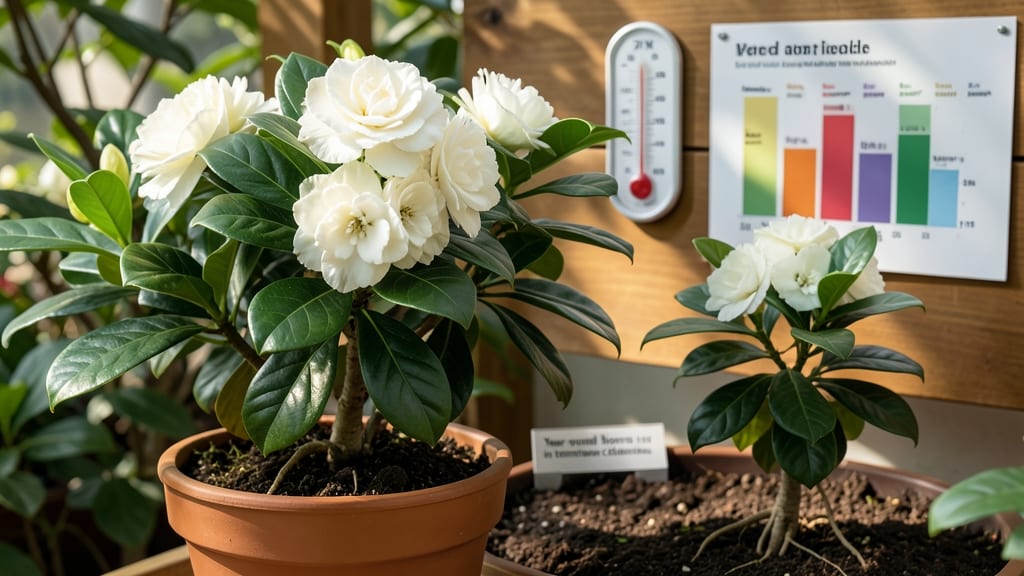
Gardenias don't bloom all year naturally—their flowering follows seasonal cues like temperature shifts, daylight changes, and dormancy periods, though some tropical varieties may bloom longer with ideal conditions.
Gardenias are sensitive to environmental signals that trigger their blooming cycles. 🌸 In temperate climates, they typically bloom in late spring through summer when days lengthen and temperatures warm, then enter dormancy in cooler months.
Even in tropical regions, most varieties still follow seasonal patterns, though some like G. jasminoides may produce sporadic blooms year-round if kept in warm, humid conditions.
The key is understanding your gardenia's natural rhythm—pruning at the right time or supplementing light can help extend blooms, but you'll never fully override their seasonal instincts.
What many gardeners discover is that forcing continuous blooms often backfires. 💡 Over-fertilizing or keeping plants in unnatural conditions can stress them, leading to fewer flowers. Instead, focus on creating optimal seasonal conditions: bright indirect light, 60-70% humidity, and acidic soil (pH 5.5-6.5).
Varieties like G. radicans or G. fortuniana tend to be more adaptable, but even they need periodic rest to produce their signature fragrance.
💡 In This Article
- Seasonal and Environmental Factors Affecting Gardenia Blooms
- Tips to Prolong Gardenia Blooming Beyond Natural Seasons
Seasonal and environmental factors affecting gardenia blooms
Gardenias rely on a delicate balance of environmental cues to trigger blooming, primarily driven by daylight exposure and temperature fluctuations. These plants are native to tropical and subtropical regions, where they evolved to respond to the 12-14 hour daylight cycles of summer months.
When days shorten below 10 hours of light, most varieties enter dormancy—a natural rest period that prepares them for their next bloom cycle. In temperate zones, this typically occurs in late fall, while tropical gardenias may experience shorter dormancy periods or none at all if kept in consistent warmth.
The temperature sweet spot for blooming ranges between 65-75°F, with optimal conditions occurring during the warmest parts of the day. Cold drafts below 50°F can shock the plant and halt bud formation, while extreme heat above 85°F can cause buds to drop prematurely.
This explains why gardenias in Florida may bloom year-round while those in New York see limited seasonal displays. The plant's internal clock, called photoperiodism, also plays a role—some varieties need at least 8 weeks of consistent warm temperatures before they'll produce buds.
Humidity levels create another critical factor, as gardenias originate from regions with 70-80% relative humidity. Dry indoor air (common in winter) causes buds to shrivel before opening, while consistent moisture helps maintain the plump, waxy texture needed for blooming.
In low-humidity climates, you'll often see gardenias produce fewer flowers unless you supplement with a humidifier or pebble tray. The plant's natural fragrance—produced through volatile oils in the flowers—also peaks during optimal blooming conditions, creating that signature tropical scent.
Regional climates create dramatic differences in blooming patterns. For example, G. jasminoides in Hawaii may produce nearly continuous blooms due to stable 75-80°F temperatures year-round, while the same variety in California's coastal regions might bloom heavily in spring and summer but go dormant in winter.
Even within a single growing zone, microclimates matter—gardenias near heat-reflecting walls or in sheltered spots often bloom longer than those exposed to wind or temperature swings.
What most gardeners miss is how soil pH interacts with these seasonal factors. Gardenias thrive in acidic soil (pH 5.5-6.5), which helps them absorb essential nutrients like magnesium and iron during their active growth phase.
In alkaline soils (pH 7.0+), nutrient uptake slows, weakening the plant's ability to form buds. This is why container-grown gardenias often bloom better—their soil can be precisely adjusted, whereas in-ground plants may struggle with natural soil pH variations.
Recognizing seasonal cues is key to predicting blooms. Watch for new leaf growth in spring—a sign the plant is breaking dormancy—and the formation of bud scales (small green bumps) that harden before blooming.
In tropical varieties, you might see staggered blooming throughout the year, but each flush will still follow a 2-3 week cycle of bud formation, opening, and fading. Understanding these patterns helps you time pruning and fertilization for maximum impact.