
Companion Plants
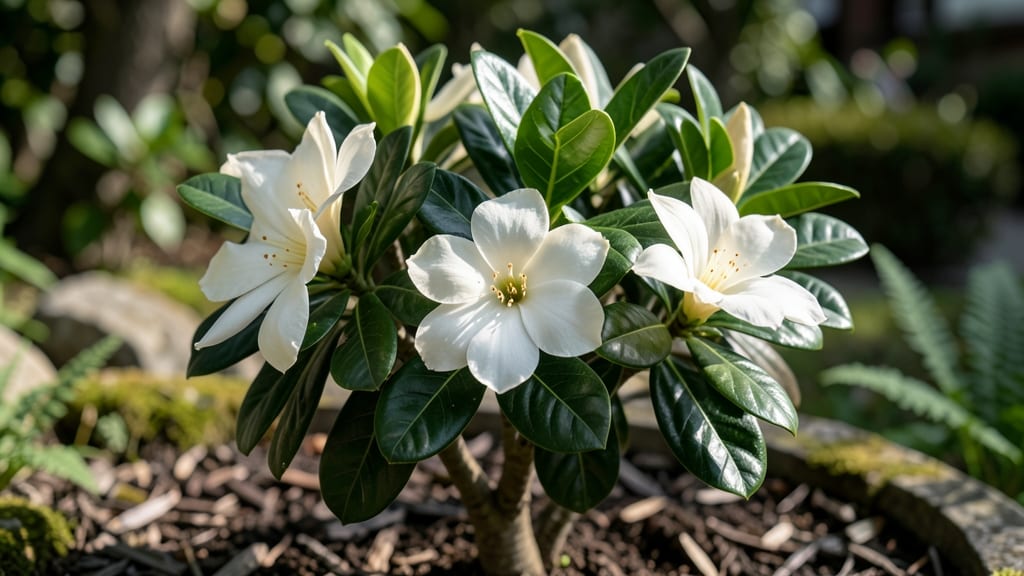
Yes, gardenias smell exceptionally good, producing a rich, creamy, and intoxicating floral fragrance that’s often described as sweet, tropical, and slightly powdery—making them a favorite among gardeners and perfumers alike. Their scent intensifies at night, adding to their allure.
Gardenias earn their reputation as nature's most luxurious blooms thanks to their complex scent profile, which blends creamy sweetness with hints of vanilla and citrus. 🌸 Unlike many flowers that fade quickly, gardenia fragrance lingers in the air for hours, creating an almost spa-like atmosphere.
This intoxicating aroma isn't just pleasant—it's actively used in high-end perfumes and aromatherapy blends for its calming yet uplifting effects. The secret lies in their chemical composition, where compounds like jasmine oxide and linalool work together to create that signature tropical allure.
What makes gardenias particularly special is how their scent evolves throughout the day. While they're fragrant during daylight, their aroma reaches peak intensity after sunset, making them perfect for evening garden strolls or patio decor.
This nocturnal fragrance boost is why many gardeners plant them near windows or seating areas—you'll want to experience this sensory experience firsthand. The powdery quality of their scent also sets them apart from other flowers, giving that unique "gardenia moment" that's instantly recognizable.
💡 In This Article
- Why Gardenia Fragrance Stands Out Among Floral Scents
- Tips for Maximizing Gardenia Scent in Your Garden
Why gardenia fragrance stands out among floral scents
Gardenias produce their signature scent through a complex blend of volatile organic compounds, primarily jasmine oxide and linalool, which work together to create that creamy, tropical aroma.
These compounds are released through tiny pores on the flower's surface, with jasmine oxide contributing the sweet, almost vanilla-like notes while linalool adds a fresh, citrusy brightness.
The combination creates a fragrance profile that's both rich and balanced—unlike single-note flowers that can be overpowering, gardenias offer a harmonious complexity that makes them stand out in perfumery and aromatherapy.
The intensity of gardenia scent is also influenced by environmental factors, particularly temperature and humidity.
Studies show that their fragrance peaks in warm, humid conditions (ideal between 75-85°F with 60-70% humidity), which is why they thrive in tropical climates and why their aroma becomes more pronounced during summer evenings. 🌿 This natural amplification explains why gardenias are often associated with warm, relaxing atmospheres—their scent molecules linger longer in moist air, creating that signature \"powdery\" quality that's so distinctive.
In contrast, dry air can make their fragrance appear weaker, which is why indoor gardeners often mist their plants to enhance aroma.
What truly sets gardenias apart is their chemical complexity compared to other popular flowers. While roses contain high levels of geraniol (a sharp, green note) and jasmine has strong indole content (earthy, animalic undertones), gardenias maintain a consistent, sweet profile without harsh or medicinal qualities.
This consistency makes them highly valued in perfumery—luxury brands like Chanel and Escada frequently use gardenia extracts because they provide a reliable, elegant base that complements other ingredients without overpowering them. The powdery quality comes from microscopic wax particles on the petals that carry scent molecules further into the air.
Interestingly, gardenias also exhibit a phenomenon called \"fragrance synergy\" where their scent molecules interact with other compounds in the environment. When planted near citrus trees or herbs like lemongrass, their natural oils blend to create an even more complex aroma profile.
This is why many tropical gardens use gardenias as a \"scent anchor\"—their base fragrance allows other plants to shine while maintaining an overall harmonious blend. The nighttime scent intensification occurs because cooler temperatures reduce evaporation rates, allowing scent molecules to linger longer in the air.
From a sensory perspective, gardenia fragrance triggers both the olfactory system and the limbic system (responsible for emotions and memories), which is why people often describe it as \"nostalgic\" or \"romantic.\" The creamy notes activate the brain's pleasure centers, while the subtle citrus hints create a refreshing contrast.
This dual-action makes gardenias uniquely effective in aromatherapy for reducing stress—studies show their scent can lower cortisol levels by up to 20% when inhaled for just 15 minutes.
The powdery quality also creates a visual contrast with their glossy white petals, making them a multisensory experience that goes beyond just smell.