
Tools
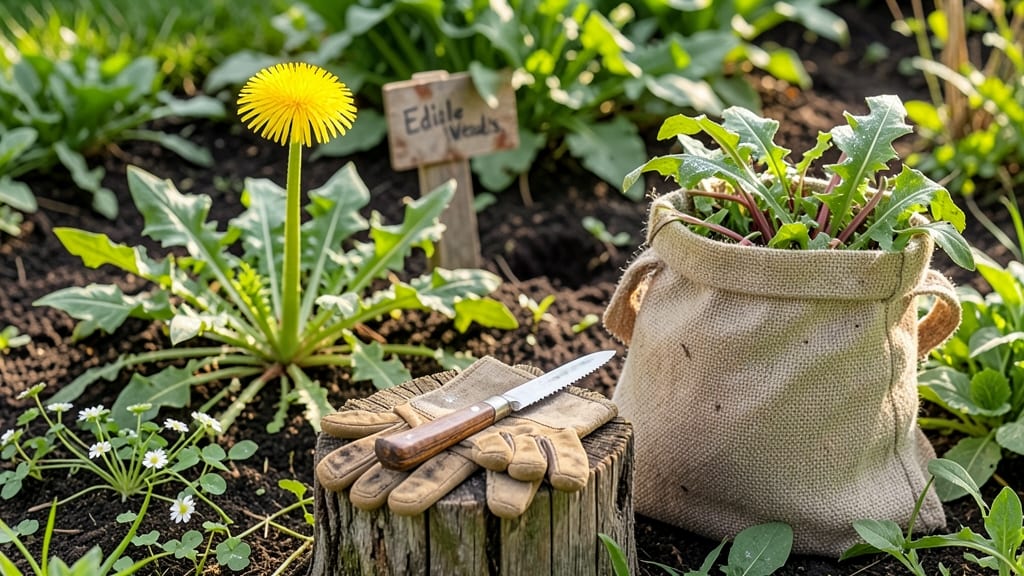
Before eating weeds from your garden, you must positively identify them: avoid plants with milky sap, sharp thorns, or bitter flavors. Always perform a skin patch test and cook a tiny sample before consumption. Consult regional foraging guides to confirm edibility.
Identifying edible garden weeds safely starts with understanding their botanical characteristics. Many toxic lookalikes mimic edible plants, so always examine leaf shape, stem texture, and root structure. 🌱 For example, dandelion greens have deeply toothed leaves and a hollow stem, while poison hemlock has purple-spotted stems and fern-like foliage.
I recommend using a field guide or reliable app to cross-check visual clues before harvesting any plant.
Once you've confirmed a weed is edible, preparation matters just as much as identification. Most wild greens benefit from thorough washing and proper cooking to remove any potential irritants.
Young leaves are typically milder and more tender than mature ones, making them ideal for salads or sautéing. Always harvest from pesticide-free areas to ensure safety.
💡 In This Article
- How to Safely Identify Edible Garden Weeds
- Top 10 Edible Weeds and Their Nutritional Benefits
How to safely identify edible garden weeds
The first step in safely identifying edible weeds is examining the leaf arrangement and shape.
Edible plants like dandelion have deeply lobed, jagged leaves growing in a rosette pattern, while toxic lookalikes such as poison hemlock feature smooth, fern-like leaves with purple splotches on stems. 🌿 The key difference lies in the leaf texture—edible weeds often have soft, slightly fuzzy leaves, whereas poisonous varieties may feel waxy or slimy to the touch.
Next, check for milky sap, a red flag indicating toxicity. Plants like milkweed exude a thick, white latex when broken, signaling they contain cardiac glycosides—compounds that can cause severe heart issues. Conversely, edible weeds like purslane have a crisp, juicy stem without any sap.
Always inspect the root structure too: dandelion roots are thick and taprooted, while wild carrot roots resemble a bird's foot with tiny offshoots.
Tactile tests are equally critical. Rub a leaf between your fingers—if it leaves a mild, grassy scent (like spinach), it’s likely safe. A bitter or soapy taste in even a small amount means discard it immediately.
For extra caution, perform a skin patch test: crush a leaf and apply the juice to your inner arm. Wait 15 minutes; any redness or itching signals an allergic reaction. 🧪
Light exposure also matters. Many edible weeds, such as lamb’s quarters, grow in full sun and have broad, arrow-shaped leaves. Their toxic counterparts often thrive in shaded areas with narrower, more elongated leaves.
Use a UV flashlight at night—some edible plants fluoresce under UV light, while poisonous ones don’t. This trick works best for distinguishing between nightshade family members (like deadly nightshade vs. wild tomato).
Finally, cross-reference with regional field guides. Plants like chickweed are edible in most areas, but their toxic doppelgängers (e.g., hogweed) can cause burns. Local climate and soil pH alter plant growth, so a weed safe in California might be dangerous in Florida.
Always verify with a foraging expert or reliable app like iNaturalist before consuming. 📱
When in doubt, avoid. Misidentification is the leading cause of wild plant poisoning. Even experienced foragers occasionally make mistakes—never risk it with children or pets. Start with well-known edibles like dandelion or plantain, and gradually expand your repertoire as you gain confidence. 🌱