
Size
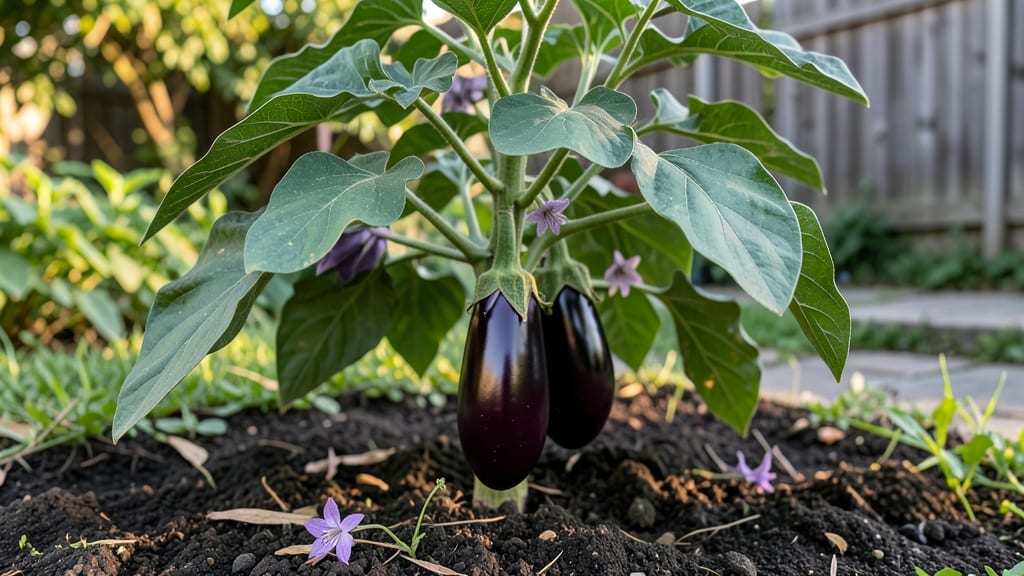
To grow egg stock from garden eggplants, begin by harvesting seeds from fully ripe, organic eggplants, then thoroughly clean and dry them before sowing in nutrient-rich, well-draining soil. Plant in warm seasons with full sun exposure, as germination can take 10-30 days and full maturity 70-90 days.
Starting your own egg stock from garden eggplants lets you control quality and flavor, but it requires patience and precision. 🌱 The key is selecting heirloom varieties—like Black Beauty or Ichiban—since hybrid seeds often don't produce true-to-type plants.
After extracting seeds (by fermenting the pulp for 3-5 days to remove gelatinous coatings), store them in a cool, dry place until planting. This method ensures higher viability and healthier seedlings ready for transplanting once soil temperatures reach 70°F or warmer.
Once planted, maintain consistent moisture without waterlogging—eggplants hate soggy roots—and use mulch to retain soil warmth. 🌿 A few inches of compost mixed into the planting hole gives seedlings a nutrient boost, while companion plants like basil or marigolds deter pests naturally.
The reward? Homegrown stock with richer depth than store-bought, perfect for soups or braises.
💡 In This Article
- Seed Selection and Preparation for Eggplant Stock Growth
- Optimal Planting Conditions for Eggplant Stock Seedlings
Seed selection and preparation for eggplant stock growth
The first critical step in growing egg stock is selecting the right eggplant varieties.
Heirloom types like Black Beauty or Ichiban produce seeds that reliably grow true-to-type plants, while hybrids often fail to reproduce their parent characteristics. 🌱 The key is to choose fully ripe, organic eggplants—unripe fruit contains immature seeds with lower viability.
When harvesting, look for deep purple-black skin and firm flesh that yields slightly when pressed (like a ripe avocado).
Seed preparation transforms raw eggplant pulp into viable planting material through fermentation. After scooping out the seeds and surrounding gelatinous pulp, place them in a jar with water and let them ferment for 3-5 days at room temperature.
This process breaks down the mucilaginous coating that inhibits germination. 💫 The fermentation also kills potential pathogens, reducing the risk of mold during storage.
After fermentation, rinse the seeds thoroughly with water, then spread them on a paper towel to dry completely in a dark, well-ventilated area for 7-10 days—this prevents premature sprouting and fungal growth.
Proper storage conditions are just as important as preparation. Once dry, store seeds in an airtight container with silica gel packets to maintain low humidity. 🌿 Ideal storage temperatures range between 40-50°F, which preserves viability for up to 3 years.
The science behind this involves slowing metabolic processes that degrade seed quality over time. When planting, test a few seeds by placing them between damp paper towels—if 50%+ sprout within 10 days, your batch is ready for sowing.
One common mistake is rushing the drying process, which can lead to moldy seeds. The gelatinous coating contains natural sugars that feed fungal growth if moisture remains. 🔥 To prevent this, ensure your drying area has good airflow while keeping seeds in indirect sunlight.
Another pro tip: Label your seed containers with the variety name and harvest date—this helps track germination rates over time and identify which varieties perform best in your climate.
For gardeners in cooler regions, consider pre-sprouting seeds indoors under grow lights 4-6 weeks before the last frost date. This head start gives seedlings a competitive edge once transplanted.
The light spectrum should include red and blue wavelengths (12-16 hours daily) to mimic natural sunlight and prevent leggy growth. 💫 Remember that eggplant seeds contain natural chemicals called alkaloids that can inhibit germination if not properly processed—this is why fermentation is non-negotiable for optimal results.