
Plants
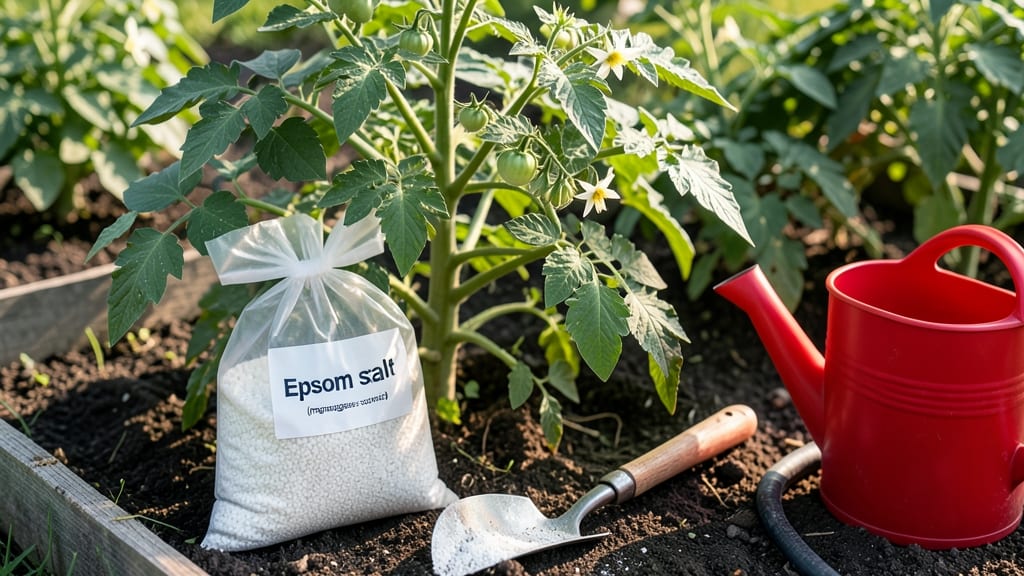
Epsom salt for garden plants boosts magnesium and sulfur levels, preventing yellowing leaves, strengthening stems, and enhancing flowering. Mix 1 tablespoon per gallon of water and apply monthly, but avoid overuse to maintain soil balance.
Magnesium is the secret ingredient behind vibrant plant health, and Epsom salt delivers it in a form plants can easily absorb. 🌱 When you see those telltale yellow patches on leaves—especially between veins—it’s often a magnesium deficiency, and this mineral supplement can turn things around fast.
The sulfur component also plays a crucial role in root development and disease resistance, making it a two-for-one powerhouse for your garden. I’ve noticed the biggest improvements in flowering plants like roses and tomatoes when using this method consistently.
For best results, apply Epsom salt as a foliar spray during the growing season or work it into the soil around plants. Just remember: a little goes a long way.
Overuse can actually harm your plants by disrupting soil chemistry, so stick to the recommended ratios and monitor your plants’ response closely.
💡 In This Article
- How Epsom Salt Enhances Plant Growth and Fixes Deficiencies
- Best Practices for Applying Epsom Salt in Gardens
How Epsom salt enhances plant growth and fixes deficiencies
Epsom salt—chemically known as magnesium sulfate (MgSO4)—works wonders in gardens because magnesium is the central atom in chlorophyll, the green pigment that drives photosynthesis.
When plants lack magnesium, they can't produce enough chlorophyll, leading to that classic yellowing between leaf veins called interveinal chlorosis. 🌿 This deficiency often appears first on older leaves because plants prioritize moving nutrients to new growth.
Epsom salt delivers magnesium in a water-soluble form, allowing roots to absorb it quickly through the soil or leaves via foliar spray.
The sulfur component also plays a critical role: it helps form essential amino acids and vitamins, while supporting root development and disease resistance. For example, tomatoes show dramatic improvements when magnesium levels rise—stronger stems, larger fruit, and brighter green foliage.
Studies show that magnesium-deficient plants can produce up to 30% less chlorophyll than healthy counterparts, directly impacting their ability to convert sunlight into energy. The key is that Epsom salt bypasses soil-bound magnesium, which plants often can't access even when present in the soil.
What most gardeners don't realize is how magnesium affects plant cell structure. Magnesium stabilizes the ribosomes (the protein factories inside cells) and helps regulate enzymes that control growth hormones.
When you apply Epsom salt, you're essentially giving plants the building blocks they need to repair damaged cells and produce new ones. 🌱 This is why you'll see faster recovery from stress (like drought or transplant shock) and more vigorous flowering—magnesium is directly involved in the production of ATP, the energy currency of plant cells.
However, the benefits aren't universal. Leafy greens like spinach and kale respond well to magnesium boosts, but some plants—particularly those adapted to acidic soils—might not need it. Always test your soil's pH first: magnesium availability drops in highly acidic conditions (below 6.0).
For alkaline soils (above 7.5), Epsom salt becomes even more valuable because magnesium becomes more accessible to roots. The visual difference is striking—plants deficient in magnesium often look sickly with pale, mottled leaves, while those receiving the right amount develop deep, vibrant green foliage.
Consider this comparison: a magnesium-deficient tomato plant might produce fruit with only 50% of its potential sugar content, while a well-supplemented plant can yield sweeter, more flavorful tomatoes. The same goes for flowering plants—roses, for instance, develop larger blooms when magnesium levels are optimal. 🌹 The catch?
Overdoing it can lead to magnesium toxicity, where leaves curl and turn brown at the edges—a clear sign you've tipped the balance.
For the best results, pair Epsom salt with other micronutrients. For example, calcium (from crushed eggshells) and potassium (from wood ash) work synergistically with magnesium to support overall plant health. This trio ensures your plants have everything they need to thrive without competing for the same resources in the soil.