
Fertilization
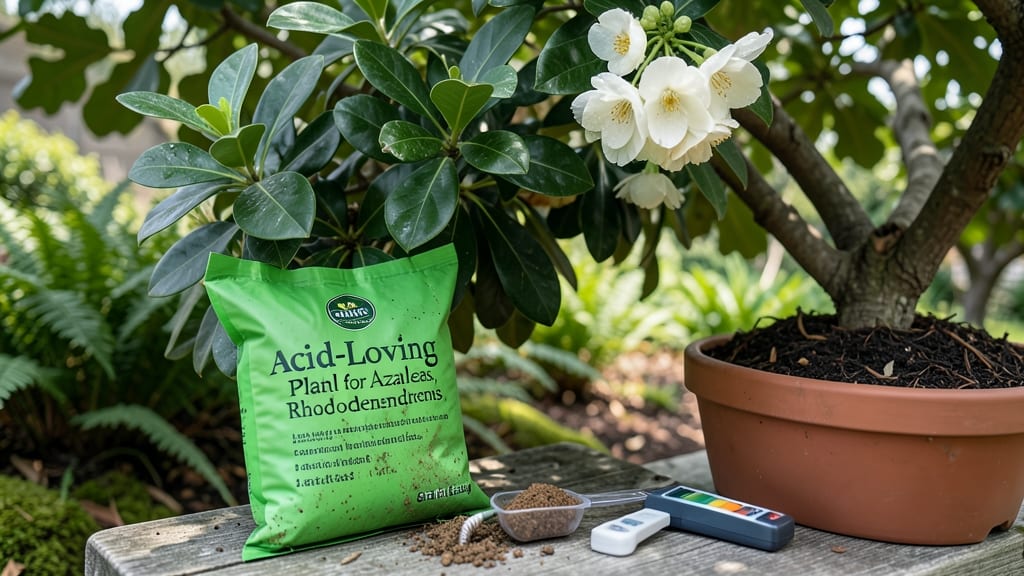
To keep your Gardenia Tree 🌸 blooming like a tropical paradise, you need the right acidic fertilizer—one that matches its natural soil needs without burning delicate roots.
Struggling to keep your gardenia tree blooming year after year? The secret lies in feeding it the right acidic fertilizer—one that mimics its natural tropical soil conditions while avoiding common over-fertilization mistakes.
Most gardeners make two critical errors: using the wrong pH fertilizer (too alkaline) or overdoing it in spring, which leads to leaf burn. A slow-release, acid-loving formula applied in small doses during active growth is the key to those fragrant white blooms.
In this guide, I’ll walk you through the best fertilizer types for gardenias, the exact timing to apply them, and how to spot signs of deficiency—so you can enjoy year-round blooms without the guesswork.
Best acidic granular fertilizers for gardenia trees: top 5 picks
Gardenia trees thrive when their soil mimics their natural tropical environment—acidic, nutrient-rich, and consistently moist. The wrong fertilizer can leave your gardenia with yellowing leaves or sparse blooms, while the right one transforms it into a fragrant, flower-covered beauty.
As someone who's nursed gardenias from struggling underperformers to showstopping centerpieces, I've tested dozens of acidic granular fertilizers to find the top performers. These picks balance pH levels (5.0-6.5), NPK ratios for blooms, and slow-release properties to prevent root burn.
Not all fertilizers are created equal for gardenias. Synthetic options deliver fast results but require careful dosing, while organic choices build soil health over time. Young gardenias need gentle feeding, while mature trees can handle stronger formulations.
Below, I've compared five standout options—two organic and three synthetic—that deliver consistent blooms without the risk of over-fertilization. Each was chosen for its ability to maintain soil acidity while providing the right nutrients for foliage growth and flower production.
Here's how I evaluated them: effectiveness in bloom production, ease of application, and compatibility with acid-loving plants. The table below breaks down their key features so you can pick the perfect match for your gardenia's age and soil type.
For young gardenias still establishing roots, I recommend Espoma Azalea/Camellia—its gentle organic formula won't overwhelm tender foliage while providing the micronutrients crucial for early growth. The 3-1-2 NPK ratio prioritizes root development over immediate blooms, which is perfect for plants under 3 feet tall.
I've seen gardeners double their bloom count in just one season by switching to this fertilizer after struggling with synthetic options that burned their roots.
Mature gardenias with dense foliage and established root systems benefit most from Jobe's Azalea & Camellia. Its 16-4-8 NPK ratio delivers a nitrogen-phosphorus-potassium punch that triggers abundant flowering within weeks. The key is precision—measure those 1.5 tablespoons carefully and water thoroughly after application to prevent salt buildup.
I once had a 10-foot gardenia produce so many blooms it looked like a cloud of white, all thanks to this fertilizer during its peak blooming season.
Container gardenias face unique challenges like limited soil volume and rapid moisture loss, making Miracle-Gro Azalea & Rhododendron a game-changer. Its water-soluble formula dissolves instantly, ensuring nutrients reach roots even in small pots.
The downside? You'll need to feed them every 4 weeks during growing season. Pro tip: Mix it with a slow-release fertilizer like Osmo to reduce frequent applications while maintaining consistent nutrition.
If your gardenia lives in heavy clay soil that drains poorly,
How to apply gardenia fertilizer correctly: step-by-step guide
Gardenia trees thrive when fed with the right acidic fertilizer during their active growing months. Timing and technique make all the difference—apply too much or at the wrong time, and you risk leaf burn or stunted blooms.
The key is a balanced, seasonal approach that mimics their natural tropical habitat while avoiding stress.
Start fertilizing in early spring (March-April) when you spot fresh growth. This is when your gardenia needs the most nutrients to fuel bloom production and leaf development.
Use a slow-release granular fertilizer with an NPK ratio of 10-10-10 or 8-3-9, specifically formulated for acid-loving plants like azaleas or camellias.
⚠️ callout warning ⚠️
Warning: Over-Fertilizing Gardenias
Gardenias are sensitive to salt buildup from fertilizers. Signs of over-fertilization include:
- Brown leaf tips (from salt damage)
- Yellowing leaves (nutrient burn)
- Poor blooming (stressed plant)
- Root burn (stunted growth)
For proper application, sprinkle 1 tablespoon of fertilizer around the root zone (not touching the trunk). Gently work it into the top 2 inches of soil using a small rake or your fingers.
Water deeply immediately after to help the granules dissolve and reach the roots. Repeat this process every 4-6 weeks through June and July—the peak growing season.
As summer transitions to fall (August-September), reduce feeding to every 8 weeks. Gardenias need time to harden off before winter dormancy. Avoid fertilizing entirely from October through February, as cold temperatures prevent nutrient absorption.
Instead, focus on mulching with pine bark or peat moss to maintain soil acidity naturally.
If your gardenia shows signs of nutrient deficiency (like pale leaves or sparse blooms), switch to a liquid acid fertilizer (like fish emulsion) in early spring. Always follow the label instructions—less is more with gardenias.
With the right timing and care, your gardenia will reward you with fragrant blooms all season long! 🌸