
Shrubs
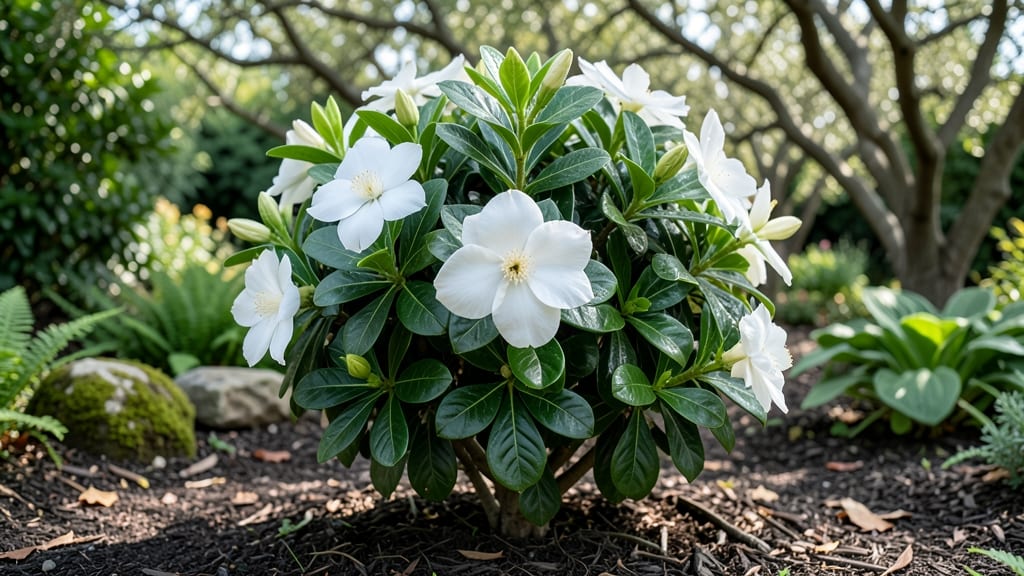
A full-grown gardenia bush 🌸 can reach heights of 3 to 6 feet, transforming your garden into a fragrant paradise—but only if you know how to care for it at this stage.
Imagine stepping into your garden and being greeted by the intoxicating sweetness of gardenias—your full-grown bush could be the star of your outdoor space, but only if you master its care secrets.
At this mature stage, gardenias need less frequent watering but still demand well-draining, acidic soil to thrive. Pruning at the right time can encourage even more blooms, while overwatering or neglecting their light needs can quickly turn your fragrant beauty into a struggling shrub.
In this guide, I’ll walk you through pruning techniques, seasonal care adjustments, and the key mistakes that kill gardenias—so you can keep your bush lush, blooming, and full of that signature gardenia perfume all year.
How to identify and care for a mature gardenia bush
A full-grown gardenia bush is the crown jewel of any fragrant garden, but recognizing one requires knowing its key traits. These shrubs typically reach 3 to 6 feet tall with a lush, rounded shape—think of a small tree with glossy, dark green leaves.
Their peak fragrance occurs in late spring to summer, when clusters of creamy-white blooms burst open, filling the air with a sweet, intoxicating scent. If your gardenia isn’t blooming as expected, it might need adjustments in light exposure or soil acidity.
Identifying a mature gardenia isn’t just about size—it’s also about its leaf structure. Healthy gardenias have leathery, oval-shaped leaves that grow in opposite pairs along the stems. When crushed, the leaves release a faint citrusy aroma, a telltale sign of a thriving plant.
If your bush has sparse leaves or yellowing foliage, it may be struggling with nutrient deficiencies or poor drainage. The secret to keeping it lush lies in understanding its seasonal care needs.
Soil pH is the foundation of gardenia care. These plants thrive in acidic soil with a pH between 5.0 and 6.5. If your soil is too alkaline, the plant will struggle to absorb essential nutrients like iron and manganese, leading to yellow leaves—a condition called chlorosis. To test your soil, grab a pH testing kit or send a sample to your local extension office. If adjustments are needed, amend the soil with sulfur or peat moss to lower the pH gradually.
Now, let’s dive into the specifics with this summary-table of essential care requirements for your mature gardenia bush:
Seasonal care is where gardenia mastery begins. In spring, focus on light feeding with an acid-loving fertilizer to encourage new growth. This is also the ideal time to prune your bush—remove any dead, diseased, or crossing branches to improve airflow and shape.
Avoid heavy pruning, as gardenias bloom on old wood, and you don’t want to sacrifice next year’s flowers.
Summer is all about consistent moisture and protection from harsh sun. Gardenias are sensitive to drought, so water deeply every 2–3 days during heatwaves. If you notice buds forming but dropping off, it could be due to stress from heat or low humidity.
To combat this, mist the foliage lightly in the morning or place a tray of water near the plant to increase humidity. Mulching around the base with pine bark or compost will also help retain moisture and regulate soil temperature.
As fall approaches, reduce watering and stop fertilizing entirely. Gardenias enter a dormant phase in cooler months, and overwatering can lead to root rot. Prune lightly to remove any remaining spent blooms or damaged branches, but avoid heavy cuts.
In winter, protect your gardenia from frost by covering it with a breathable frost cloth if temperatures drop
Step-by-step pruning guide for year-round gardenia blooms
Pruning your full-grown gardenia bush isn't just about shaping—it's the secret to year-round blooms and a healthier plant. The key is timing, technique, and knowing when to stop.
Gardenias bloom on old wood, so aggressive pruning can reduce flowers. But with the right approach, you'll encourage continuous fragrance without sacrificing your bush's health.
Start by gathering your tools: sharp bypass pruners for clean cuts, sterilized alcohol wipes to prevent disease, and gardening gloves to protect your hands from sap. The best time to prune is late winter or early spring, just before new growth begins.
This gives your gardenia time to recover before summer's heat stress. Avoid pruning in fall or winter—your plant needs its foliage to protect buds from cold.
- Step 1: Remove dead or diseased branches first—cut back to the main stem or healthy growth. These are easy to spot as they're brown, brittle, or have black spots.
- Step 2: Thin out overcrowded areas by cutting 1/3 of the oldest stems at the base. This improves air circulation and reduces pests.
- Step 3: Shape the bush by trimming errant growth. Use your pruners at a 45-degree angle just above a leaf node to encourage new growth.
- Step 4: Lightly prune spent blooms throughout the season. Cut back to the nearest leaf to promote new flower buds.
- Step 5: Disinfect tools between cuts with alcohol wipes to prevent bacterial spread.
- Step 6: Apply a 2-inch layer of mulch around the base to retain moisture and protect roots after pruning.
After pruning, your gardenia will need extra care to bounce back strong. Water deeply every 2-3 days for the first 2 weeks to help roots recover.
Avoid fertilizing immediately—wait 4-6 weeks to let the plant adjust. Instead, focus on keeping the soil acidic (pH 5.0-6.5) and well-draining to support new growth.
To encourage continuous blooming, prune lightly every 6-8 weeks during the growing season. Remove only wilted flowers and overly long stems—never more than 10-15% of the plant at a time.
This keeps your gardenia in a balanced growth cycle, ensuring it never stops producing those sweet, creamy blooms.
Watch for new growth as a sign your pruning was successful. Healthy gardenias should show bright green leaves within 3-4 weeks. If you see yellowing leaves or dropping buds, you may have pruned too aggressively.
Next time, stick to 1/3 of the oldest stems and avoid cutting into wood older than 2 years.
With consistent care, your full-grown gardenia bush will reward you with fragrance-filled seasons and lush foliage. Remember, the goal isn't perfection—it's health and harmony. Happy pruning! 🌸