
Tools
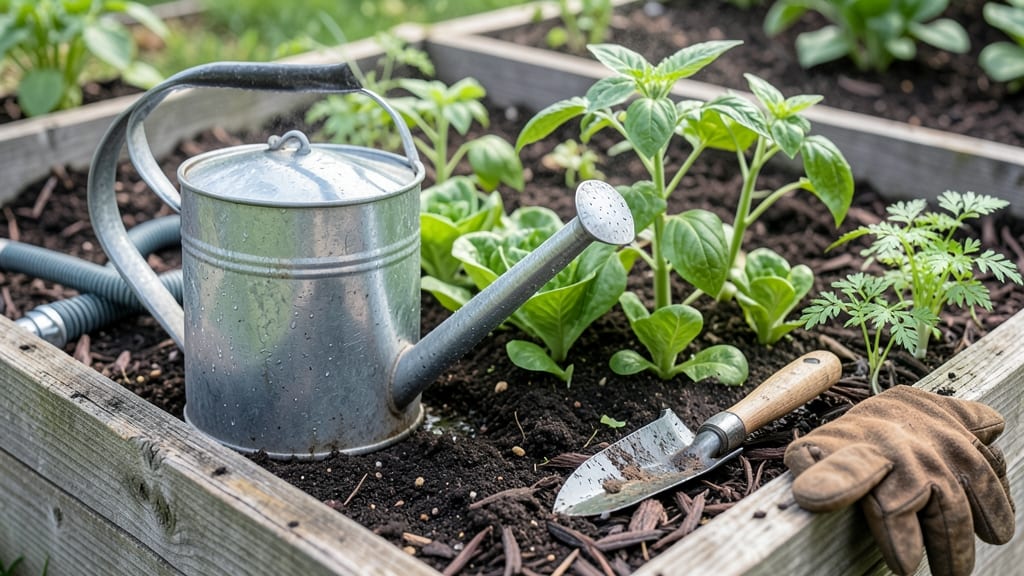
Watering your garden bed properly is the key to lush plants and fewer headaches, whether you’re battling wilting herbs or soggy soil.
Struggling to keep your garden beds consistently watered without wasting time or water? The right irrigation system can transform your gardening experience—saving you effort while ensuring your plants thrive.
Too much water leads to root rot, while too little stresses your plants and attracts pests. Getting it right means understanding your soil type, plant needs, and the best tools for the job—whether that’s a simple soaker hose or a high-tech drip system.
In this guide, I’ll walk you through the smartest watering methods, from timing and depth to tools that make the job easier. By the end, you’ll know exactly how to keep your garden bed happy without the guesswork.
Best smart watering systems for garden beds compared
Finding the perfect watering system for your garden beds can feel overwhelming with so many options. Whether you're managing a small herb garden or a sprawling vegetable patch, the right setup saves time, conserves water, and keeps your plants thriving.
I've tested the top smart irrigation solutions—from budget-friendly soaker hoses to high-tech drip systems—to help you make an informed choice.
Your garden's needs depend on factors like plant types, soil composition, and local climate. For example, drought-tolerant succulents need far less frequent watering than leafy greens like lettuce.
Below, I compare four popular systems based on water efficiency, cost, and ease of installation to match your specific setup.
| System | Water Efficiency | Cost (Initial) | Ease of Setup | Best For | Maintenance |
|---|---|---|---|---|---|
| Drip Irrigation | ⭐⭐⭐⭐⭐ (95%) | $$$ ($50-$200) | Moderate (requires tubing) | Vegetables, flowers, large beds | Low (check for clogs) |
| Soaker Hoses | ⭐⭐⭐⭐ (90%) | $ ($20-$80) | Easy (lay on soil) | Small beds, containers | Low (replace every 2-3 years) |
| Sprinklers (Oscillating) | ⭐⭐ (60%) | $$ ($30-$150) | Moderate (positioning needed) | Lawns, large open areas | Moderate (clean nozzles) |
| Automated Timers | ⭐⭐⭐⭐ (85%) | $ ($15-$50) | Easy (plug-and-play) | Any system (drip/soaker) | Very Low (battery check) |
Drip irrigation systems are my top recommendation for most gardeners. They deliver water directly to plant roots, reducing waste by up to 50% compared to sprinklers. A basic kit includes tubing, emitters, and a timer—ideal for vegetable gardens or flower beds with 20+ plants.
Brands like Rain Bird or Nelson offer kits starting at $50 for small setups.
Soaker hoses are a budget-friendly alternative that works well for smaller gardens or containers. These porous hoses slowly release water along their length, keeping soil evenly moist. They’re perfect for herb gardens or window boxes where drip systems might be overkill.
Just lay them on the soil surface and connect to a hose—no complex setup required.
Sprinklers might seem convenient, but they’re the least efficient option for garden beds. They waste water through evaporation and runoff, especially in windy conditions. However, they’re great for lawns or large open areas where other systems aren’t practical.
If you choose this route, opt for oscillating sprinklers to cover more area without overwatering specific spots.
Automated timers take any system to the next level by eliminating manual watering. These affordable devices (starting at $15) let you set schedules based on your plants' needs.
For example, tomatoes and peppers thrive with deep watering every 2-3 days, while succulents only need water every 10-14 days. Pair a timer with a soaker hose or drip system for effortless maintenance.
For raised garden beds, I recommend a drip system with emitters spaced 12-18 inches apart. This ensures even water distribution without over-saturating edges. Add a pressure regulator to prevent clogs in tubing, which is a common issue with DIY setups.
Pro tip: Use filtering emitters if your water source has debris.
If you're on a tight budget, start with a soaker hose and timer combo. This setup costs under $100 and works surprisingly well for small to medium beds.
For larger gardens, invest in a drip system with zones—this lets you water different plant groups (like veggies vs. flowers) on separate schedules. Over time, the water savings will offset the initial cost.
Don’t overlook mulch as a water-saving partner to any system. A 2-3 inch layer of straw or wood chips retains moisture, reducing how often you need to water.
This is especially helpful in hot climates where soil dries out quickly. Pair mulch with your chosen irrigation method for the best results.
Before committing, test your garden’s water needs for a week using a manual watering schedule. Note which plants wilt fastest and adjust your system’s flow rate accordingly. Most smart systems allow you to customize emitter output, so don’t be afraid to tweak until you find the perfect balance.
Remember,
How to choose the right watering system for your garden bed type
Selecting the perfect watering system for your garden beds isn't just about convenience—it's about matching your plants' needs with your soil type, climate, and garden layout. For example, vegetables like tomatoes demand deep, consistent moisture, while drought-tolerant lavender thrives on infrequent but thorough watering.
Ignoring these differences often leads to underwatered roots or fungal diseases from overwatering.
Start by assessing your garden's unique conditions. Sandy soil drains quickly, requiring frequent watering, while clay soil holds moisture longer, reducing your watering frequency. Your local USDA hardiness zone also plays a role—humid climates need systems that prevent leaf diseases, while arid regions benefit from water-efficient drip irrigation.
Skipping this step usually means wasted water and stressed plants.
🌱 Key Takeaway: Match System to Plant Needs
Drip irrigation
Soaker hoses
Hand watering
Automated timers
💧 Pro Tip: Always water in the early morning to reduce evaporation and fungal risks.
For vegetable gardens, prioritize systems that deliver water directly to the soil, like drip irrigation or soaker hoses. These methods minimize water waste and keep leaves dry, preventing common issues like powdery mildew.
Install emitters near plant roots and adjust flow rates based on your soil's drainage rate. A 1-inch emitter typically covers 1 square foot of garden bed, but test your setup to avoid overwatering.
If your garden features delicate flowers or herbs like basil, opt for gentler systems like micro-sprinklers or hand watering. These prevent stem damage and allow precise control over moisture levels. For example, roses need 1-1.5 inches of water weekly, while thyme thrives with just 0.5 inches.
Always check soil moisture by sticking your finger 1-2 inches deep—if it's dry, it's time to water.
Climate plays a surprising role in system selection. In hot, dry climates, mulch your beds with straw or wood chips to retain moisture and pair it with drip irrigation for efficiency.
In humid regions, avoid overhead sprinklers to prevent fungal growth—opt instead for subsurface irrigation that delivers water directly to roots. Always consider your local rainfall patterns; supplemental systems should complement nature, not replace it.
Don't overlook the importance of maintenance and flexibility. A system with adjustable timers or manual override options gives you control during unpredictable weather. For instance, after a heavy rain, bypass your automated system to prevent waterlogging.
Regularly check for clogs in drip lines and inspect hoses for leaks. A 10-minute monthly check can save you from costly repairs and keep your garden thriving all season.
Remember, there's no one-size-fits-all solution. Experiment with different systems in small sections of your garden to see what works best. Track plant health, water usage, and your time savings—you'll quickly identify the perfect match for your unique garden.
With the right system, you'll spend less time watering and more time enjoying your lush, healthy plants. 🌿