
Tools
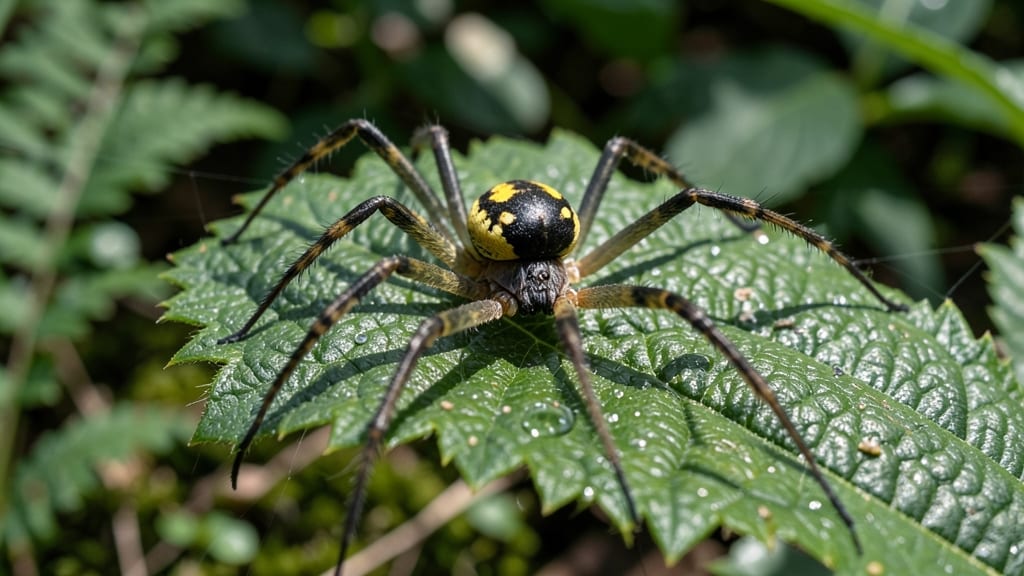
Garden spiders in Oregon are common orb-weavers with distinctive markings, typically harmless and beneficial for controlling pests like flies and mosquitoes. They thrive in warm, dry climates and build large, silvery webs at night, often near gardens or wooded areas.
These eight-legged helpers are actually Argiope aurantia, easily recognized by their yellow-and-black striped abdomens and bold white hourglass markings. 🕷️ Their webs—silver and intricate—are a garden's natural pest-control system, trapping everything from gnats to moths.
Unlike black widows or recluses, they're docile and won't bite unless severely provoked, making them a welcome sight for Oregon gardeners. The best time to spot them is late summer when they're most active, often weaving their masterpieces between garden stakes or shrubs before dawn.
If you're curious about their life cycle, these spiders go through four stages: egg, nymph, subadult, and adult. Egg sacs, which look like tiny footballs, appear in late summer and overwinter before hatching in spring.
Young spiders resemble miniature adults but lack the bold coloration, making them harder to spot until they mature into their striking adult forms.
💡 In This Article
- Identifying Oregon Garden Spiders: Key Physical Traits
- When and Where to Spot Garden Spiders in Oregon Gardens
Identifying Oregon garden spiders: key physical traits
Oregon's garden spiders, or Argiope aurantia, have a striking appearance that sets them apart from other common spiders. Their most recognizable feature is the bold yellow-and-black striped abdomen, which can measure up to 1.5 inches long in females—the largest spiders in Oregon.
The hourglass marking on their underside is white rather than red, a key difference from black widows, which have a shiny black body and a red hourglass. Their legs are long and banded with yellow, creating a zebra-like pattern that helps them blend into garden foliage.
Their webs are another dead giveaway: garden spiders build silver, orb-shaped webs with a diameter of up to 2 feet, often positioned between garden stakes, shrubs, or fences.
Unlike the tangled webs of wolf spiders, these orb-webs are perfectly symmetrical and glisten in the morning light due to dew droplets. 🕷️ The female's body is significantly larger than the male's (up to 10 times bigger), which helps distinguish adults from juveniles, who resemble tiny, pale versions of the adults.
When comparing them to other spiders, garden spiders lack the smooth, glossy black bodies of black widows or the hairy, mottled appearance of wolf spiders. Their legs are also more slender and less muscular than those of jumping spiders, which have shorter legs adapted for leaping.
If you see a spider with a stabilimentum (the zigzag band of silk in the web), that’s another clue—this feature helps scientists identify orb-weavers and may also serve as a visual signal to birds or other predators.
One common mistake is confusing garden spiders with hobo spiders, which are brown and have a more robust body. Hobo spiders also don’t build webs—they’re wandering hunters. Garden spiders, on the other hand, are always found near their webs, which they repair daily.
Their docile nature means they’ll often freeze in place if you approach, giving you time to observe their markings up close. 💫
For gardeners, recognizing these traits is crucial because it confirms you’re dealing with a harmless, beneficial species. Unlike black widows or recluses, garden spiders won’t bite unless handled roughly, and their presence is a sign of a healthy ecosystem.
Their webs also act as natural pest control, trapping insects like flies and mosquitoes that might otherwise bother your garden.