
Tools
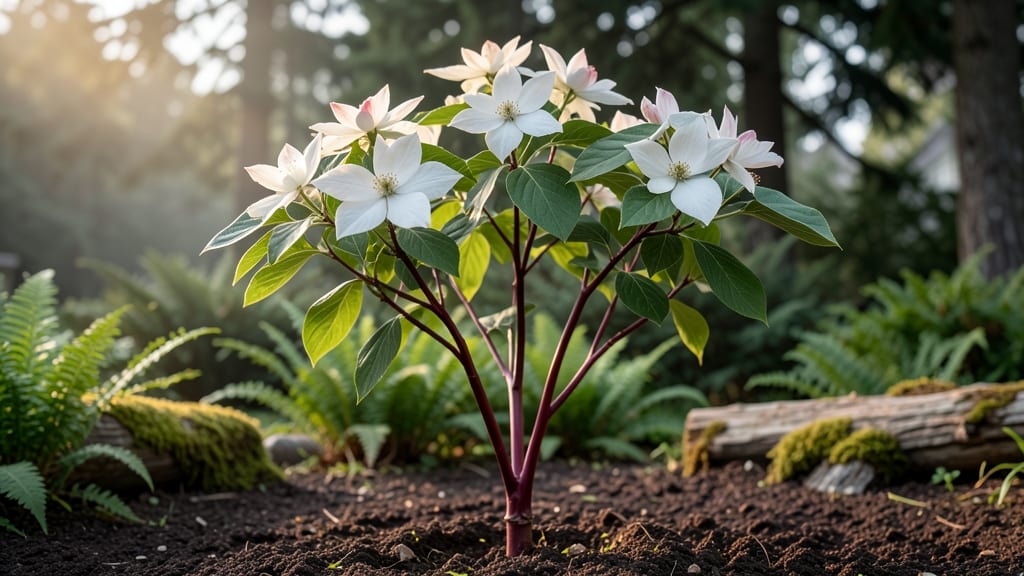
Vancouver, WA garden centers provide specialized plant collections, climate-specific landscaping expertise, and seasonal promotions from trusted local nurseries like Baker Creek Heirloom Seeds and The Garden Spot. These spots focus on Pacific Northwest natives and offer workshops for gardeners at every skill level.
What sets Vancouver's garden centers apart is their deep understanding of the region's unique growing conditions. 🌿 The area's mix of wet winters and dry summers means plants like rhododendrons and salal bushes thrive here, and local nurseries stock exactly what works best.
Many also carry custom soil blends designed to handle Vancouver's clay-heavy soil, which can be tricky for beginners. I always recommend checking their seasonal workshops—some even offer free consultations to help you plan your garden layout based on sunlight patterns.
Beyond plants, these centers often provide tools and organic amendments tailored to the Pacific Northwest. For example, mycorrhizal fungi mixes help roots establish faster in local conditions.
The staff typically have years of experience working with both residential and commercial projects, so they can offer practical advice whether you're planting a small container garden or redesigning your yard.
💡 In This Article
- Best Vancouver WA Garden Centers for Native Plants and Soil
- How to Choose a Vancouver WA Garden Center for Your Needs
Best Vancouver WA garden centers for native plants and soil
Vancouver's garden centers specialize in plants that naturally thrive in the Pacific Northwest's USDA Zone 8a-9a climate, where winters are mild and summers are dry.
The region's signature flora—like rhododendrons, salal bushes, and sword ferns—are carefully curated because they've evolved to handle the area's 60-80 inches of annual rainfall and clay-heavy soil.
These plants develop deep root systems to access water and nutrients, making them ideal for local gardens where surface roots often struggle.
The soil blends at these centers are engineered to address Vancouver's biggest gardening challenge: compacted clay that drains poorly. For example, The Garden Spot offers mixes containing 50% organic matter (like composted leaf mold) and 30% perlite to improve aeration.
This ratio helps break up the clay's dense structure while retaining moisture—a critical balance for plants like hemlock trees that need consistent dampness but can't tolerate waterlogging. 🌱 The centers also stock mycorrhizal fungi inoculants, which form symbiotic relationships with plant roots, boosting nutrient absorption by up to 80% in local conditions.
Identifying climate-adapted plants is easier than you'd think. Look for labels indicating "Pacific Northwest Native" or "Drought-Tolerant" varieties, as these have been tested for local resilience. For instance, Oregon grape (Mahonia aquifolium) thrives with minimal irrigation once established, while Western red cedar provides year-round interest with its aromatic foliage.
The staff at these centers often point out which plants need morning sun (like salmonberry bushes) versus dappled shade (such as sword ferns)—a detail that can make or break your garden's success.
Seasonal timing matters too. Spring is prime for planting deciduous shrubs (like vine maple) when soil temperatures reach 50°F, while fall is better for evergreen perennials (such as Western hemlock) to establish roots before winter.
Many centers offer "Plant of the Month" features highlighting species that perform exceptionally well in current weather patterns. For example, during Vancouver's wet winters, they might recommend carex sedges for their water-tolerant foliage.
What sets these centers apart is their hands-on approach to soil science. Staff often demonstrate how to conduct a simple jar test to evaluate your garden soil's drainage: fill a jar with soil and water, then measure how long it takes to drain.
In Vancouver's clay, results often show slow drainage (over 2 hours), which explains why local mixes prioritize sand and compost ratios designed to improve permeability. This practical knowledge helps gardeners avoid common pitfalls like root rot or nutrient deficiencies.
For those new to gardening, the centers provide soil test kits ($15-$25) that analyze pH, nitrogen, phosphorus, and potassium levels—critical for adjusting fertilizers. The ideal pH range for most Pacific Northwest natives is 5.0-6.5, slightly acidic to mimic the forest floor where many of these plants originate.
Understanding these factors transforms gardening from guesswork to a precise science tailored to Vancouver's unique environment. 🌿