
Tools
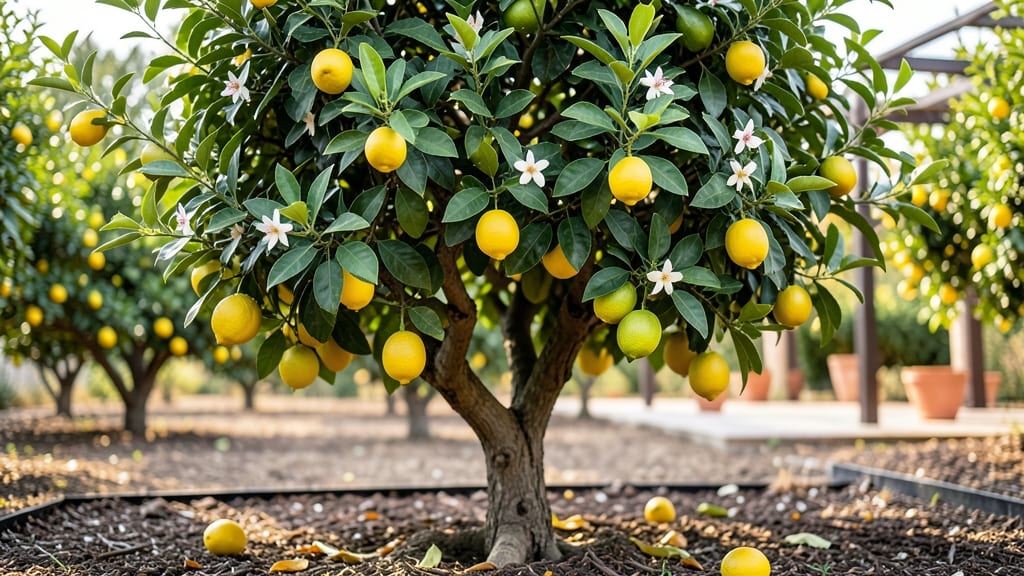
Garden Zone 10b offers a frost-free growing season from mid-November through mid-March, allowing year-round planting of warm-season favorites like tomatoes and peppers while supporting cool-season greens in fall and spring. Tropical plants also thrive during the mild winter months.
This extended growing window makes Zone 10b one of the most productive gardening regions in the U.S., but the real magic happens when you understand how to leverage its microclimates. 🌱 Coastal areas often experience slightly cooler winters than inland spots, while higher elevations may see occasional light frosts even during the "frost-free" period.
I've found that checking local weather patterns for the past 5-10 years gives more accurate planting windows than relying solely on USDA maps.
The key to maximizing your harvest? Strategic succession planting—think of it like building a relay team where one crop finishes just as another is ready to go in.
For example, you can plant lettuce in early fall, then replace it with kale as temperatures drop, followed by spinach in winter before transitioning back to warm-season crops in late winter. This approach keeps your garden productive year-round while making the most of Zone 10b's unique climate advantages.
💡 In This Article
- Understanding Zone 10b’s Microclimates and Frost Patterns
- Seasonal Planting Guide for Zone 10b Gardens
Understanding Zone 10b’s microclimates and frost patterns
Zone 10b's frost-free reputation stems from its location in the subtropical belt, where Pacific Ocean currents and trade winds create a moderating effect. However, this doesn't mean frost never occurs—just that it's rare and typically light.
Coastal areas like San Diego experience 50-60°F winter nights, while inland valleys can drop to 35°F during cold snaps. This 15°F difference explains why your neighbor's garden might thrive with tropical plants while yours needs frost cloth for sensitive varieties.
The real complexity comes from temperature inversions—a meteorological phenomenon where cold air settles in low-lying areas while warmer air stays above. During these events, which often occur in valleys like the Coachella Valley, temperatures at ground level can drop 10-15°F colder than at higher elevations just 500 feet above.
This is why USDA maps showing Zone 10b as uniform are misleading—your actual frost risk depends on whether you're gardening on a hillside or in a basin. 🌡️
Elevation becomes your best friend for refining frost dates. Every 1,000 feet of elevation gain typically adds 3-5°F to minimum temperatures. That means a 2,000-foot elevation difference could shift your frost risk from "rare" to "occasional."
I've seen gardeners in Palm Springs (low elevation) grow citrus trees year-round, while those in nearby mountain communities need to protect their citrus until spring. The solution? Check local weather stations at your specific elevation—don't assume your neighbor's data applies to you.
Another critical factor is the 30-year average used in USDA zones—which may not reflect recent climate shifts. California's Zone 10b areas have seen 2-3°F warmer winters over the past decade, extending the frost-free period by 10-14 days in some locations.
This means the November 15-March 15 window might now be more like October 25-March 25 for many gardeners. The takeaway? Always verify with 5-10 years of local records rather than relying on static zone maps.
For practical application, consider these microclimate adjustments:
- Coastal areas: Plant tropicals like hibiscus and ginger year-round with minimal protection
- Inland valleys: Use row covers for sensitive plants during December-February cold snaps
- Mountain foothills: Extend growing season with cold frames or greenhouse structures
One surprising detail: Zone 10b's "frost-free" label often hides radiation frosts that occur on clear, calm nights. These happen when heat escapes rapidly from the ground, creating localized 28-32°F conditions that can damage tender plants.
This is why mulching with straw or wood chips (3-4 inches deep) becomes crucial—it insulates soil and maintains 5-10°F warmer ground temperatures. The difference between a thriving garden and a frost-bitten one often comes down to these micro-level protections. 🌿