
Flowers
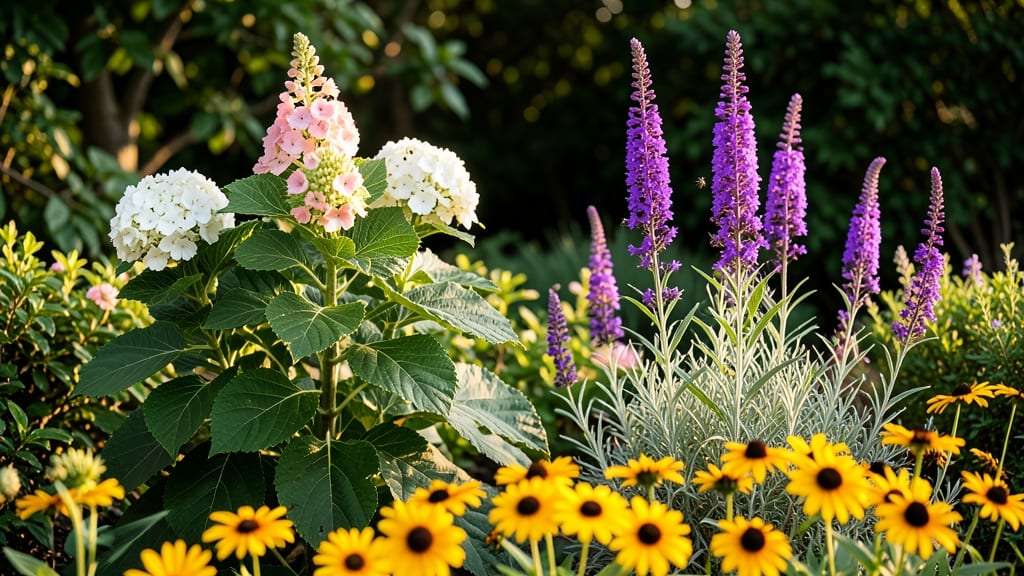
Gardens in Ball Ground Georgia feature stunning seasonal displays and well-maintained landscapes, including the community-focused Ball Ground Garden Club plots, the peaceful Lake Lanier Islands native plant trails, and the elegant Gardens at Chateau Elan. These destinations celebrate Georgia's ideal growing conditions and horticultural beauty throughout every season.
Ball Ground's gardens stand out because of the region's perfect mix of humidity and sunshine, creating ideal conditions for vibrant blooms. 🌸 The historic garden club offers hands-on workshops where you can learn about native plants that require minimal watering, perfect for Georgia's occasional dry spells.
Meanwhile, the private estates often feature rare collections like magnolias and gardenias that thrive in the area's rich soil.
What makes these gardens especially appealing is their accessibility—whether you're looking for a quiet afternoon among wildflowers or a grand tour of meticulously landscaped grounds. Many spots even host seasonal festivals, from spring azalea celebrations to fall pumpkin patches, giving visitors year-round reasons to explore.
💡 In This Article
- Best Seasonal Blooms and Plant Varieties in Ball Ground Gardens
- Hidden Trails and Public Gardens Worth Visiting Near Ball Ground
Best seasonal blooms and plant varieties in Ball Ground gardens
Ball Ground's gardens thrive thanks to its unique climate—humid subtropical with hot summers and mild winters—that creates perfect conditions for azaleas, camellias, and native wildflowers. The region's average 70-75°F annual temperature and 45-50 inches of rainfall annually support plants that would struggle in colder climates.
Azaleas, for example, bloom spectacularly in April-May when daytime temperatures reach 65-75°F, while camellias shine in December-February with their glossy leaves and delicate flowers.
The soil composition plays a crucial role too—Ball Ground's well-drained, slightly acidic soil (pH 5.5-6.5) is ideal for acid-loving plants like hydrangeas and gardenias. 🌿 Native wildflowers such as black-eyed Susans and coneflowers thrive here with minimal irrigation, thanks to deep root systems that access moisture even during Georgia's occasional dry spells.
These drought-resistant varieties require only 1-2 inches of water per week once established, making them perfect for low-maintenance gardens.
What sets Ball Ground apart is its microclimates—warmer pockets near Lake Lanier extend growing seasons by 2-3 weeks compared to inland areas. This allows gardeners to cultivate subtropical plants like crepe myrtles and crape myrtles that would otherwise struggle in colder regions.
The Ball Ground Garden Club even offers soil testing workshops where you can learn how to adjust pH levels for optimal plant health, using simple amendments like pine bark or sulfur.
Seasonal blooms follow a predictable pattern here: Spring brings azaleas and dogwoods, summer showcases sunflowers and salvias, while fall features vibrant mums and ornamental grasses.
The Gardens at Chateau Elan often features rare magnolia varieties that bloom in late March, their large white flowers reaching 12-18 inches across—perfect for early spring photography sessions.
For gardeners interested in native plants, the Lake Lanier Islands trails feature 100+ species of indigenous flora, including rare ferns and wild azaleas. These plants require no fertilizers and support local pollinators like hummingbirds and butterflies.
The key to their success? Understanding their natural relationships—many thrive when planted near oak trees, which provide both shade and leaf litter for mulch.
One often-overlooked advantage of Ball Ground's gardens is their pest resistance. The warm climate supports beneficial insects like ladybugs and lacewings that naturally control aphids and mites.
This means gardeners here typically use 30-50% fewer pesticides than in cooler regions where pests are more aggressive. 🌸 The combination of climate, soil, and native plant partnerships creates a self-sustaining ecosystem that's both beautiful and low-maintenance.