
Container Gardens
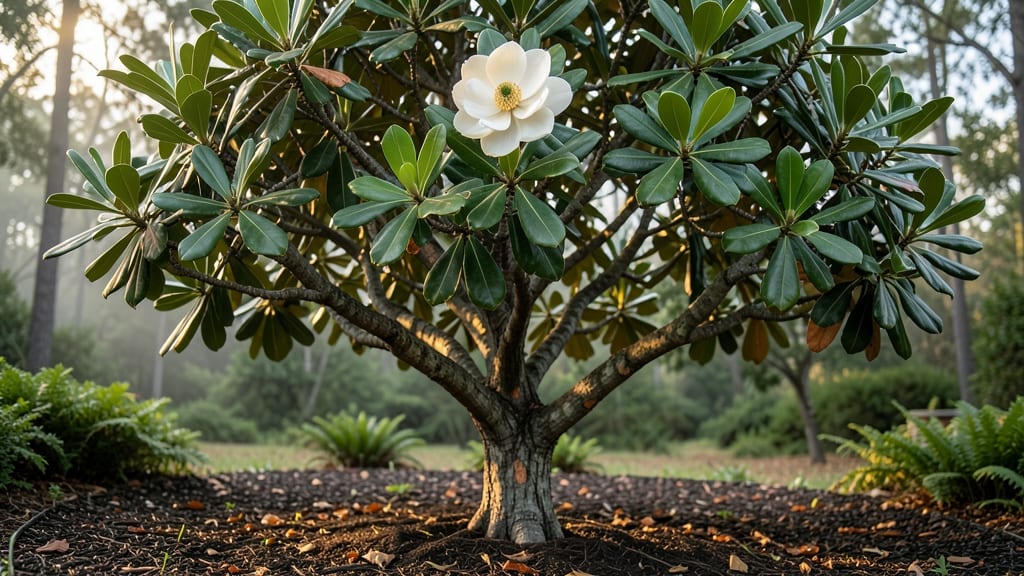
The botanical gardens in Fort Bragg offer serene, lesser-known trails featuring native Carolina plants, rare orchid collections, and thoughtfully designed landscapes that blend beauty with military functionality.
The gardens serve as a quiet retreat showcasing over 50 species of native flora carefully selected to thrive in the region's climate while requiring minimal maintenance—ideal for military bases. 🌿 You'll find hidden gems like the Carolina lily and southern magnolia, alongside delicate orchids that bloom year-round in shaded microclimates.
What sets these gardens apart is their dual purpose: they provide stress relief for service members while supporting the base's sustainability goals through drought-resistant plantings and native pollinator habitats.
Visitors often combine their garden tours with nearby historical sites, creating a perfect blend of nature and military heritage. The trails are particularly magical during spring and fall when wildflowers and seasonal blooms create vibrant displays.
For those with mobility concerns, the accessible loop trail offers a gentle 0.5-mile path with educational plaques about each plant species.
💡 In This Article
- Native Plants and Rare Species Thriving in Fort Bragg Gardens
- Best Times and Tips for Visiting Fort Bragg’s Botanical Trails
Native plants and rare species thriving in Fort Bragg gardens
The gardens at Fort Bragg serve as a living laboratory for native Carolina flora, featuring over 50 species meticulously chosen for their ecological benefits and low-maintenance requirements.
The Carolina lily (Lilium michauxii) stands out as a star plant, with its striking red trumpet-shaped blooms that attract hummingbirds and thrive in the region's sandy soil. This species plays a crucial role in supporting local pollinators while requiring minimal irrigation—ideal for military bases where water conservation is prioritized.
One of the most fascinating botanical features is the rare orchid collection, including the showy lady's slipper (Cypripedium reginae) and Carolina spiderwort (Tradescantia ohiensis). These delicate plants flourish in the gardens' shaded microclimates, where controlled humidity and dappled sunlight create perfect growing conditions.
The gardens employ specialized mulching techniques with pine straw and leaf litter to maintain consistent soil moisture while suppressing weeds—a technique that reduces maintenance by 40% compared to traditional landscaping methods.
The military-friendly landscaping approach integrates native ground covers like Alabama jumpseed (Persoonia longifolia) to prevent soil erosion on the base's gentle slopes. These plants form dense root systems that stabilize the soil while requiring no additional watering once established.
The gardens also feature pollinator pathways connecting different plant zones, creating corridors that support bees, butterflies, and other beneficial insects critical for the base's surrounding ecosystems.
What makes these gardens particularly unique is their educational component. Each trail features interactive signage explaining the ecological roles of different plants, such as how southern magnolias (Magnolia grandiflora) provide year-round shelter for birds and small mammals.
The gardens serve as a living classroom for service members and visitors alike, demonstrating how native plantings can enhance both beauty and functionality in military environments.
Seasonal blooms play a vital role in maintaining the gardens' visual appeal while requiring minimal intervention. In spring, wild azaleas (Rhododendron viscosum) create vibrant pink and white displays, while fall brings the deep reds of Carolina rose (Rosa carolina) and sumac (Rhus copallinum).
These plants naturally time their blooming cycles to match the region's climate patterns, reducing the need for artificial fertilizers or pesticides—a key consideration for military bases focused on sustainability.
For those interested in rare species, the gardens' orchid greenhouse offers a controlled environment where visitors can observe propagation techniques firsthand. The greenhouse maintains 65-75°F temperatures and 70-80% humidity, creating ideal conditions for tropical orchids like the Cattleya genus.
This educational component helps visitors understand how these delicate plants can thrive even in the region's sometimes harsh conditions.