
Vegetables
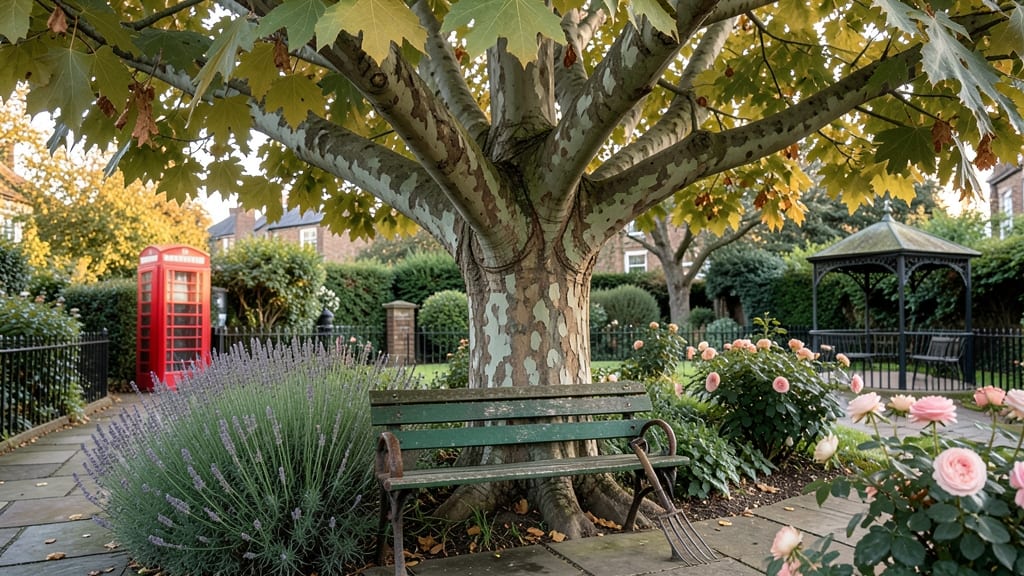
London England's gardens combine historic elegance with breathtaking natural beauty, featuring world-class botanical gardens like Kew Royal Botanic Gardens alongside tranquil urban retreats such as Holland Park and Battersea Park. These verdant spaces offer vibrant seasonal displays, rare plant collections, and architectural highlights throughout the year.
London's gardens offer more than just scenic views—they're living museums where history and nature intertwine. 🌿 The city's green spaces provide perfect escapes from urban life, with each park offering distinct experiences.
For example, Kew Gardens' glasshouses house tropical plants from around the world, while Battersea Park's lakeside paths create peaceful walking routes. Many gardens also host special events like outdoor concerts and seasonal light displays, making them year-round destinations. The best part?
Most are free to enter, with only Kew Gardens requiring admission.
What makes these gardens particularly special is their ability to transform with the seasons. Spring brings cherry blossoms and tulips, summer offers lush meadows and water features, autumn delivers fiery foliage, and winter presents festive light installations. 🌸 This seasonal variety ensures each visit feels fresh and exciting.
Many gardens also feature cafes and picnic areas, making them ideal spots for both leisurely strolls and family outings.
💡 In This Article
- London’s Most Famous Botanical Gardens and Their Unique Plant Collections
- How to Plan a Garden Tour: Best Routes and Seasonal Tips for London’s Green Spaces
London’s most famous botanical gardens and their unique plant collections
Kew Royal Botanic Gardens stands as London’s crown jewel, spanning a staggering 300 acres with over 30,000 plant species from across six continents. 🌿 What makes it truly extraordinary is its Tropical Palm House, a Victorian-era glasshouse where humidity hovers around 80% and temperatures reach 27°C (80°F)—ideal for towering palms, orchids, and carnivorous plants like the Venus flytrap.
The Treasures of the Royal Gardens exhibit alone features over 1,000 rare species, including a 100-year-old giant sequoia and a 200-year-old olive tree that predates the garden’s founding.
The Chelsea Physic Garden, founded in 1673, is London’s oldest botanical garden and a living pharmacy showcasing 5,000 medicinal plants. Here, you’ll find opium poppies (used historically for pain relief), foxglove (source of heart medication digoxin), and aloe vera grown in controlled environments.
The garden’s glasshouses maintain precise humidity levels between 60-70% to preserve delicate species like the rare Chinese ginseng. Unlike Kew’s grand scale, Chelsea’s intimate 0.5-acre space focuses on educational exhibits, making it perfect for plant enthusiasts who love hands-on learning.
Seasonal transformations are a highlight—spring brings 20,000 cherry blossoms at Kew’s Japanese Hill-and-Pond Garden, while autumn turns the Trellis Garden into a fiery mosaic of maples and oaks. 🍁 The Magnolia Collection at Kew, with 150 varieties, bursts into bloom between April and June, and the Victoria Tower Gardens (a hidden gem near Parliament) offers summer-long roses and winter pansies.
These gardens aren’t just pretty landscapes; they’re active conservation hubs, with Kew’s Millennium Seed Bank preserving 25% of the world’s plant species for future generations.
For those who prefer quieter escapes, Holland Park’s Japanese Garden features a serene koi pond and 300-year-old trees, while Battersea Park’s Peacock Walk (home to 10 peafowl) offers a whimsical contrast to the city’s skyline.
Each garden’s microclimate—from Kew’s tropical glasshouses to Battersea’s open meadows—creates distinct ecosystems, proving London’s green spaces are as diverse as the city itself. 🌸
What most visitors overlook is how these gardens adapt to London’s urban climate. Kew’s weather stations track temperature fluctuations (often 10°C warmer in glasshouses than outside), while Chelsea’s rainwater harvesting system ensures plants thrive despite the city’s annual 600mm rainfall.
The result? Year-round blooms that defy seasonal expectations, making every visit a discovery. 💫