
Vegetables
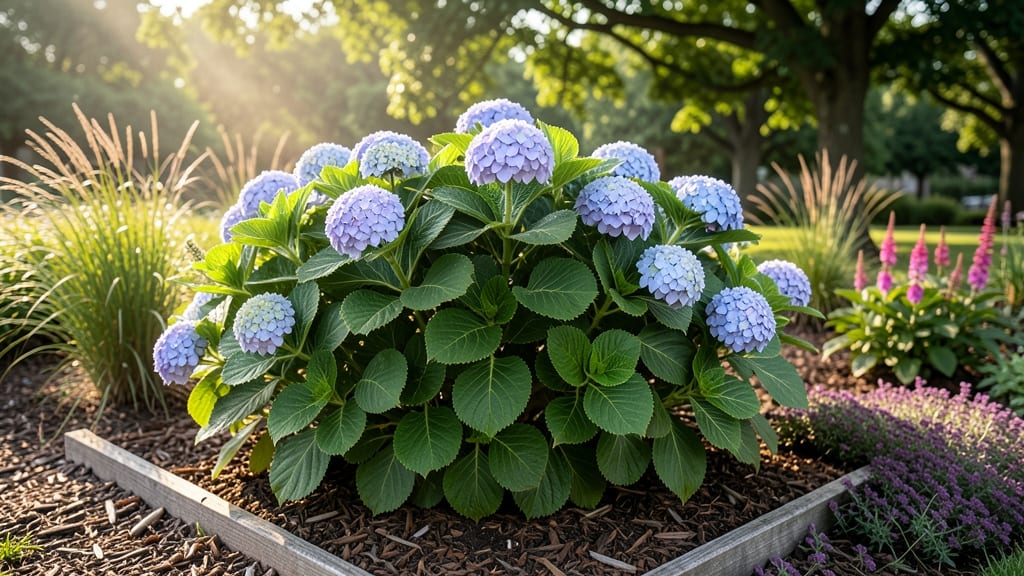
The Gardens World Show provides an unmatched gardening extravaganza featuring stunning plant displays, expert-led sessions, and hands-on activities spanning organic techniques, container gardening, and eco-friendly landscaping. Visitors can discover exclusive plant varieties, connect with industry leaders, and stay ahead of gardening trends in an engaging outdoor environment.
The Gardens World Show isn't just another gardening event—it's a full sensory experience designed to inspire both beginners and seasoned green thumbs. 🌿 With over 500 exhibitors showcasing everything from heirloom vegetables to cutting-edge hydroponic systems, you'll leave with practical knowledge and maybe even a few new plants for your garden.
I always recommend arriving early to secure prime spots at the workshops, especially the ones featuring celebrity horticulturists who share their signature techniques for lush, low-maintenance gardens.
What sets this event apart is its perfect blend of education and entertainment. The interactive zones let you test soil pH levels, learn about companion planting, and even get hands-on with pruning demonstrations.
Plus, the rare plant exhibits often feature varieties you won't find at your local nursery, making it a treasure trove for plant collectors. Don't forget to check the schedule for special evening events—they often include illuminated garden tours that transform the venue into a magical display.
💡 In This Article
- Top Highlights and Must-See Features at Gardens World Show
- How to Plan Your Visit for Maximum Gardening Insights
Top highlights and must-see features at gardens world show
The Gardens World Show transforms into a living laboratory of horticultural innovation, where every exhibit serves a purpose beyond mere decoration. The showcase gardens—spanning over 10 acres—are meticulously designed to demonstrate sustainable landscaping techniques.
For instance, the drought-resistant garden features native plants like Agave americana and Yucca filamentosa, which require 30-50% less water than traditional lawns while supporting local pollinators. These gardens aren't just pretty; they're practical demonstrations of how to create resilient outdoor spaces in changing climates.
Celebrity horticulturists take center stage with workshops that blend science and artistry. Take Monty Don, for example, whose sessions on perennial planting reveal how layering plants by height and bloom time creates continuous color from spring to autumn.
His 3-year rotation system ensures no two seasons feel repetitive, proving that even small gardens can thrive with strategic planning. Meanwhile, the rare plant exhibits often feature heirloom varieties like Black Krim tomatoes or Blue Java citrus, offering genetic diversity that's disappearing from commercial agriculture.
Interactive zones turn passive observation into active learning. The soil science pavilion lets visitors test their garden soil's pH and nutrient levels using portable meters, with experts on hand to interpret results.
I've seen attendees leave with customized amendments tailored to their home gardens—something you won't get from a generic nursery bag. The pruning demonstration area uses slow-motion video to show how to make clean cuts at the bud union, a technique that can extend a plant's life by 20-30%.
These hands-on experiences make complex concepts tangible.
What often gets overlooked are the evening events that reveal the show's nighttime magic. The illuminated garden tours use LED uplighting to highlight architectural plants like Fatsia japonica or Cordyline australis, creating dramatic silhouettes against the sky.
The scent alone—from night-blooming Jasmine sambac and Night-scented stock—transforms the experience into something sensory-rich. These events typically sell out, so booking in advance is key for maximizing your visit.
The exhibitor hall functions as a marketplace for cutting-edge tools, from self-watering planters that reduce maintenance by 40% to solar-powered soil heaters that extend growing seasons in cooler climates. Many exhibitors offer exclusive discounts to attendees, making it the perfect time to invest in high-quality equipment.
The networking opportunities here are invaluable—whether you're a hobbyist swapping seeds with fellow enthusiasts or a professional connecting with suppliers.
For seasoned gardeners, the advanced horticulture seminars dive into topics like mycorrhizal fungi applications or biointensive farming techniques, while beginners benefit from the Gardeners' Help Desk where master gardeners diagnose plant problems on the spot.
The show's ability to cater to all skill levels simultaneously is what makes it a standout event in the gardening calendar. 🌱