
Vegetables
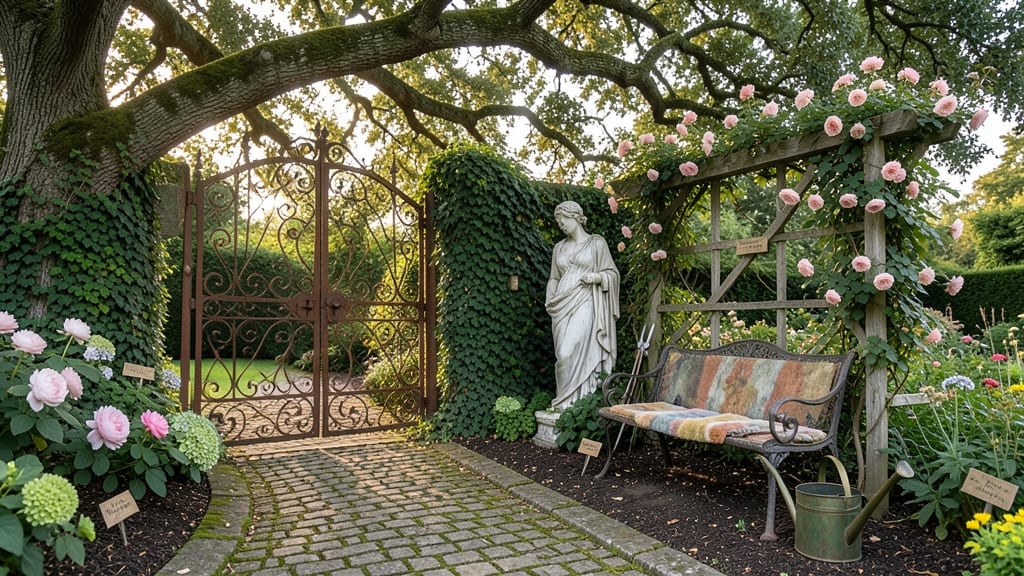
To find historical gardens near you, explore local heritage trails, city tourism websites, and preservation society directories for verified lists of botanical sites with deep historical roots. Many feature seasonal blooms, guided tours, and special events that bring their history to life.
These gardens often serve as living museums, blending horticulture with architectural history. 🌿 Many were designed by famous landscape architects or reflect colonial-era influences, offering a glimpse into how plants were cultivated centuries ago.
I always recommend checking the garden's official website for event calendars—spring and fall often bring special exhibits or restoration days that provide deeper context during your visit.
Accessibility is another key factor. Most historical gardens accommodate visitors with mobility challenges, and some even offer audio guides or tactile tours for visually impaired guests. Pairing your visit with nearby historical sites can create a full cultural experience—like pairing a Victorian garden with a nearby historic home tour.
Supporting these sites through donations or volunteer programs helps preserve their unique plant collections and stories for future visitors.
💡 In This Article
- Why Historical Gardens Hold Cultural and Botanical Value
- How to Plan a Visit to Nearby Historical Gardens
Why historical gardens hold cultural and botanical value
Historical gardens are more than just green spaces—they're open-air museums where architecture, horticulture, and history intertwine.
Many were designed by influential landscape architects like Frederick Law Olmsted or inspired by European styles like the French formal gardens of Versailles. 🌿 These spaces often reflect colonial-era influences, where imported plants from around the world were cultivated alongside native species, creating unique botanical hybrids that still thrive today.
For example, the 18th-century gardens at Mount Vernon showcase both American and European plant varieties that were popular among Virginia's elite during that era.
The botanical value lies in their role as living archives of plant propagation techniques. Many historical gardens maintain rare species that would otherwise be lost, including heirloom roses, medicinal herbs, and fruit varieties that predate modern agriculture.
The University of California Botanical Garden in Berkeley, for instance, preserves over 10,000 plant species, many of which were introduced to North America through colonial trade routes. These gardens often employ traditional propagation methods like layering or grafting that have been passed down through generations of horticulturists.
Culturally, these gardens serve as physical manifestations of societal values from different eras. The symmetrical layouts of 17th-century gardens reflected the rigid social hierarchies of the time, while the more naturalistic designs of the 19th century mirrored Romantic era ideals of harmony with nature.
Indigenous plant knowledge is another critical aspect—many historical gardens now incorporate native species and traditional cultivation practices that were nearly lost during colonization.
The Lewis Ginter Botanical Garden in Virginia, for example, features a section dedicated to Native American medicinal plants that were used by Virginia tribes long before European settlement.
What makes these gardens particularly valuable is their educational role. Many offer workshops on historical horticultural techniques, from composting methods used in the 1800s to seasonal planting calendars that reflect regional growing patterns from past centuries.
The sensory experience is also profound—walking through a 19th-century kitchen garden lets you smell the same herbs that would have been used to flavor meals, see the same fruit varieties that were preserved through winter, and touch plants that have been cultivated for over 200 years.
This multisensory connection creates a deeper appreciation for how people lived and interacted with their environment in different historical periods.
Preservation efforts often focus on maintaining these gardens as they were originally designed while adapting to modern conservation needs. Many sites use historical documentation and archaeological evidence to recreate lost garden layouts or restore plant collections to their original compositions.
The Colonial Williamsburg Foundation, for example, has spent decades reconstructing gardens based on period accounts and seed catalogs from the 1700s, allowing visitors to experience an authentic piece of America's colonial past.
This careful balance between preservation and education ensures these gardens remain relevant cultural resources for future generations.
For plant enthusiasts, historical gardens offer a rare opportunity to see how horticultural science has evolved. Many maintain living collections of plants that demonstrate how species have adapted over time, or how different cultures have used plants for medicine, food, and ceremony.
The Longwood Gardens in Pennsylvania, for instance, features a conservatory that showcases plants from around the world alongside historical records of their introduction to North America.
This combination of living plants and historical context creates a unique educational experience that goes far beyond what you'd find in a modern botanical garden.