
Vegetables
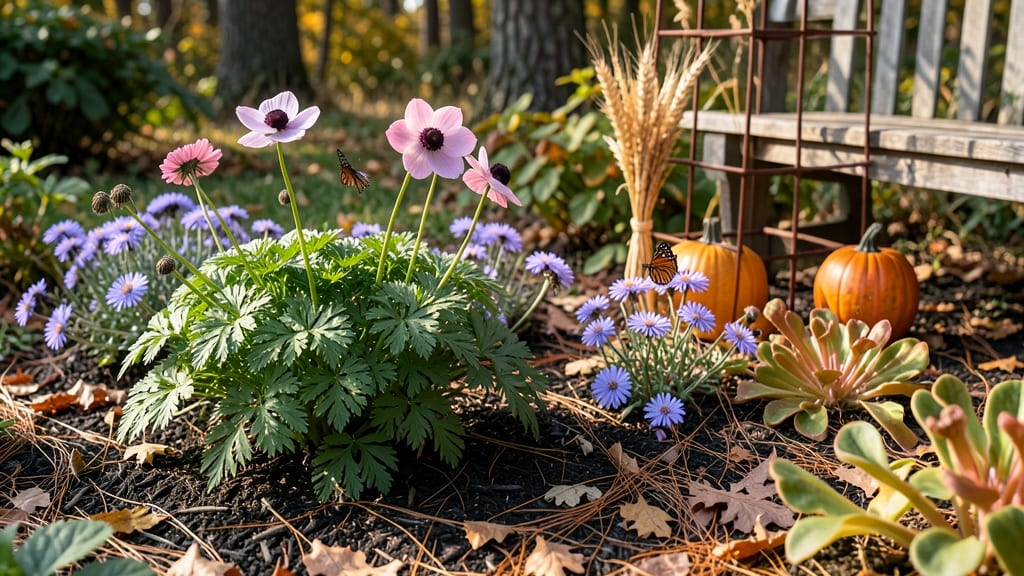
September at Longwood Gardens transforms the estate into a breathtaking autumn wonderland, showcasing peak fall foliage, rare chrysanthemum varieties, and the legendary Fountain Show. This is also when exclusive events like the Harvest Festival and enchanting evening lantern tours take center stage, offering cooler weather and fewer crowds for an ideal seasonal visit.
September marks the perfect time to witness Longwood Gardens at its most magical, when the estate's 350 acres of gardens burst into fiery hues of red, orange, and gold. 🍂 The Topiary Garden and Conservatory feature special late-season displays, while the Harvest Festival brings live music, local food vendors, and hands-on activities.
Pro tip: Weekday visits often mean shorter lines and better photo opportunities, especially during the golden hour before sunset.
For those planning ahead, consider combining your visit with nearby Kennett Square's farmers' market (just 10 minutes away) for fresh local produce and artisanal goods. The estate's evening lantern tours create a whimsical atmosphere, while the Fountain Show remains a must-see year-round spectacle.
Don't forget to check the seasonal event calendar for special workshops and guided tours that highlight the science behind autumn's vibrant color changes.
💡 In This Article
- September Blooms and Seasonal Plant Highlights at Longwood Gardens
- Top September Events and Visitor Tips for Longwood Gardens
September blooms and seasonal plant highlights at Longwood gardens
September transforms Longwood Gardens through a botanical phenomenon where chrysanthemums take center stage. These hardy perennials bloom in over 100 varieties, showcasing colors from pure white to deep burgundy, with some varieties like 'Ruby Mound' developing their vibrant hues as temperatures drop below 65°F.
The science behind this is fascinating: cooler nights trigger the production of anthocyanins—pigments that create those rich autumn tones. 🌸 These flowers thrive in Longwood's carefully calibrated microclimates, where morning fog and afternoon sun create ideal conditions for prolonged blooming.
The garden's Topiary Garden becomes a masterpiece in September, with its 200+ meticulously trimmed shrubs transitioning from summer greens to warm amber tones. The Conservatory features rare orchids and bromeliads that maintain their tropical vibrancy year-round, creating a striking contrast against the autumnal backdrop outside.
What's particularly special is the Japanese Garden's maple trees, where species like 'Bloodgood' develop their signature crimson leaves—this happens when chlorophyll breaks down and carotenoids (yellow/orange pigments) become visible as daylight shortens.
For plant enthusiasts, September reveals Longwood's perennial borders at their peak. Hardy asters and goldenrods add texture to the landscape, while the Roses of Longwood collection features late-season blooms that perfume the air with their intoxicating scent.
The garden's 40-acre woodlands become a painter's palette, with serviceberry trees turning brilliant yellow and oaks developing their signature russet hues. This color transformation occurs through a process called senescence, where plants reabsorb nutrients from leaves as they prepare for winter dormancy.
One often-overlooked highlight is the Fragrance Garden, where herbs like Russian sage and lavender release their most potent aromas in September's cooler evenings.
The garden's 1,200+ rose varieties also produce their final flush of blooms, offering visitors the chance to experience some of the world's most historic roses in their autumn glory.
The scent molecules become more concentrated in cooler air, creating an almost palpable fragrance experience that's particularly strong during the 2-4 PM timeframe when temperatures typically sit between 68-75°F. 🌿
Longwood's horticulturists employ several techniques to extend the season. For example, they use mulching to protect plant roots from temperature fluctuations, and strategically place water features to increase humidity levels that help maintain leaf color.
The Main Fountain Garden's displays change monthly, with September featuring geometric patterns using 16,000+ gallons of water per minute—this water volume helps regulate air temperature around the blooms, preserving their freshness longer than in drier months.
What makes September particularly special is the contrast between the Conservatory's tropical humidity (maintaining 70-80% relative humidity) and the outdoor gardens' drier autumn air. This creates microclimates where visitors can experience both tropical and temperate plant ecosystems in close proximity.
The Peony Garden, for instance, shows off its late-season blooms while nearby hydrangeas develop their signature blue or pink hues based on soil pH—something you can actually observe changing throughout the month.