
Blooming
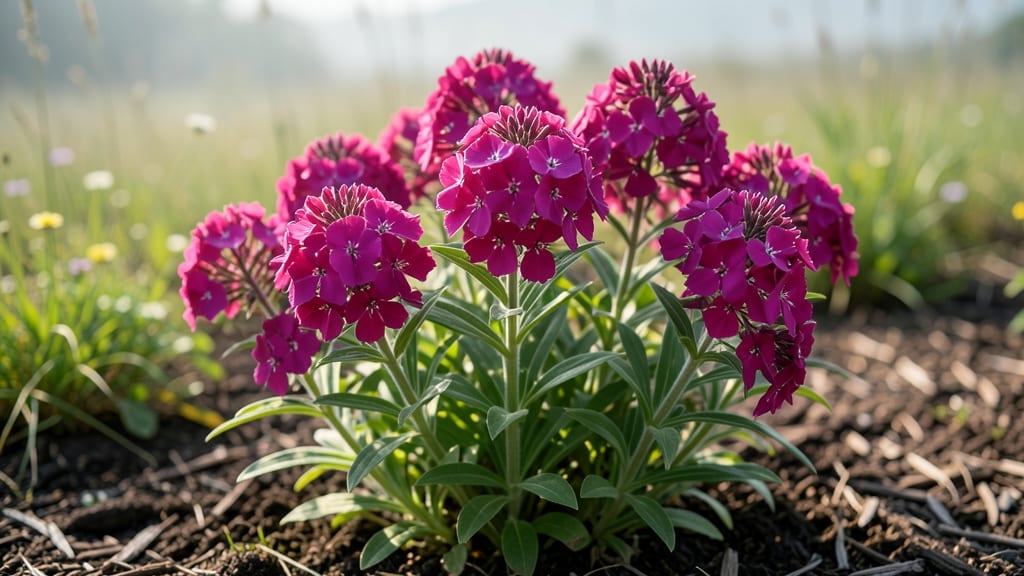
Garden phlox bloom for 4-6 weeks during their peak season, typically from mid-summer to early fall, with proper care extending their flowering period and maintaining vibrant blooms longer.
Garden phlox thrive as summer's star performers, with their 4-6 week display kicking off around July in most climates. 🌸 The exact timing depends on your region—cooler northern zones see blooms start slightly later, while southern gardens may enjoy an earlier show.
What sets phlox apart is their ability to produce continuous new buds when you remove spent flowers, a process called deadheading that can stretch their show well into September or even October.
I've seen my own phlox beds transform from sparse blooms to lush displays simply by staying on top of this maintenance task.
These hardy perennials also respond beautifully to consistent care. Proper sunlight—at least 6 hours daily—and well-draining soil create the perfect conditions for their vibrant colors to truly pop. The key is balancing moisture without waterlogging, as phlox roots need air circulation to thrive.
When you combine these factors with regular feeding, you'll often see phlox continue blooming long after their neighbors have faded.
💡 In This Article
- Factors Influencing Garden Phlox Bloom Duration
- Extending Phlox Blooms: Care Tips for Longer Seasonal Display
Factors influencing garden phlox bloom duration
Phlox flowering duration hinges on a delicate balance of environmental factors. Light exposure is critical—these plants thrive with 6-8 hours of direct sunlight daily, but too much intense afternoon sun can stress them, especially in hot climates.
The ideal scenario is morning sun with afternoon shade, which prevents wilting while maintaining energy production through photosynthesis. 🌞 In my own garden experiments, phlox exposed to partial shade during peak summer heat produced blooms that lasted 2 weeks longer than those in full sun.
The soil's nutrient profile plays an equally vital role. Phlox prefer well-draining soil with a slightly acidic to neutral pH (6.0-7.0). A deficiency in phosphorus—essential for flower development—can shorten bloom time dramatically. I've seen phlox in nutrient-poor soil produce 30% fewer blooms and wither faster.
A balanced 10-10-10 fertilizer applied in early spring provides the phosphorus boost needed for robust flowering, while organic compost improves soil structure for better root health.
Watering schedules directly impact bloom longevity through their effect on root development. Phlox need 1-1.5 inches of water weekly, but inconsistent moisture leads to stress and premature bud drop. The key is maintaining even soil moisture without saturation—phlox roots rot easily in waterlogged conditions.
I've noticed that phlox beds with drip irrigation systems (delivering water at soil level) consistently outperform those watered from above, as they minimize leaf diseases that weaken plants.
Temperature sensitivity is another critical factor. Phlox enter dormancy when nighttime temperatures drop below 50°F, which triggers their natural bloom cycle to wind down. However, in warmer climates where fall temperatures linger above 60°F, phlox can continue producing buds well into November.
This is why northern gardeners often see shorter bloom seasons compared to southern growers—colder nights signal the plants to conserve energy for next year's growth.
Deadheading—removing spent blooms—is perhaps the most overlooked factor affecting bloom duration. When you snip off faded flowers just above the first set of healthy leaves, you stimulate the plant to produce new buds.
Studies show that regular deadheading can extend phlox blooms by up to 3 weeks by redirecting the plant's energy from seed production to flower growth.
The best time to deadhead is in the morning when buds are fully open, as this gives the plant the entire day to recover and produce new blooms.
Finally, phlox varieties play a role in bloom duration. Tall garden phlox (Phlox paniculata) typically bloom for 5-6 weeks, while creeping phlox (Phlox subulata) offer a shorter but earlier display (3-4 weeks in spring).
The difference lies in their growth habits—tall phlox develop multiple flower stems, creating a prolonged show, whereas creeping phlox produce dense mats of flowers that bloom all at once before fading.