
Light Requirements
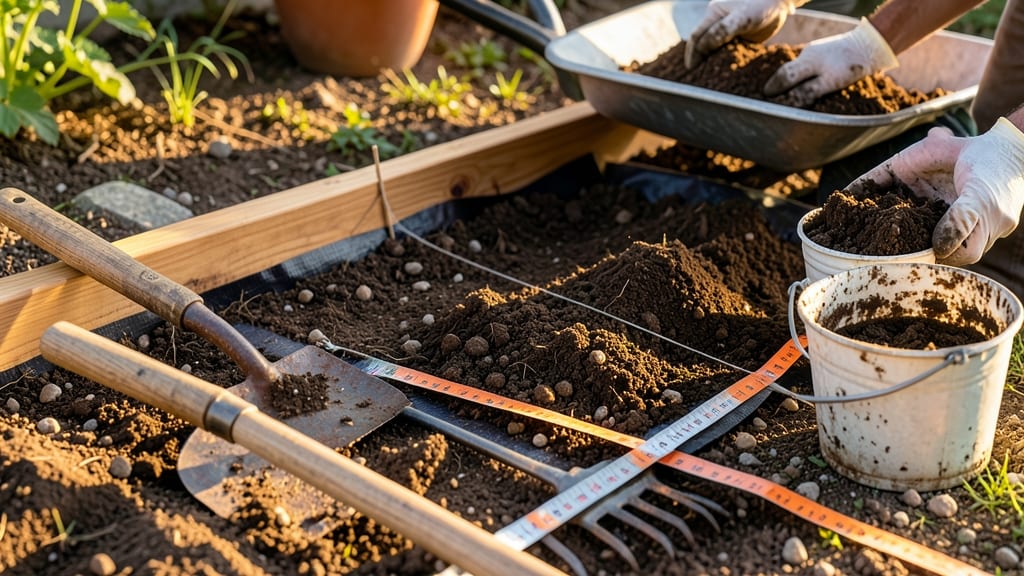
To determine how much soil for a garden bed, plan for 6–12 inches of topsoil per square foot for vegetables, 4–6 inches for herbs, and 12–18 inches for root crops like carrots or potatoes. Multiply your bed's length, width, and depth to find the total cubic feet needed.
Soil depth matters because different plants need varying space to grow roots and access nutrients. 🌱 For vegetables like tomatoes or peppers, deeper soil (12 inches) ensures strong stems and better water retention, while herbs like basil thrive in shallower beds (4–6 inches).
Root crops demand extra depth to prevent crowding—potatoes, for example, need 18 inches to develop properly. I always recommend testing your soil's drainage first; compacted clay can force you to adjust depths or amend the mix with compost.
Once you've settled on depth, calculating volume becomes straightforward. Measure your bed's length and width in feet, multiply them for square footage, then multiply by the depth in feet (e.g., a 4'×8' bed with 12" depth needs 32 cubic feet).
Pro tip: buy 10% extra soil to account for settling and uneven edges. For larger projects, rent a rototiller to save time and labor—it makes amending soil much easier than hand-shoveling.
💡 In This Article
- Ideal Soil Depths for Different Plant Types
- Calculating Soil Volume for Custom Garden Beds
Ideal soil depths for different plant types
Soil depth isn't just about space—it's about creating the perfect environment for roots to thrive. Plants absorb water and nutrients through their root systems, and deeper soil provides stability and access to moisture.
For vegetables like tomatoes or zucchini, 12 inches of soil lets roots anchor deeply while preventing wilting during dry spells. The science here involves capillary action: finer soil particles hold water closer to roots, while larger particles (like sand) improve drainage but require more frequent watering.
Herbs, on the other hand, have shallower roots and need 4–6 inches of soil to prevent overcrowding. Basil, for example, grows best in well-draining soil where roots can spread horizontally rather than vertically.
The texture matters too—sandy soils drain too quickly for moisture-loving plants like lettuce, while clay soils can suffocate roots by trapping excess water. Amending with compost improves both drainage and nutrient retention, creating a balanced medium.
Root crops like carrots or parsnips demand 12–18 inches of loose, stone-free soil to grow straight and unobstructed. The deeper the soil, the more room roots have to expand without deforming. I've seen carrots grow forked when rocks or compacted layers restrict their growth—it's frustrating but avoidable with proper prep.
For flowers and shrubs, 6–12 inches is typical, though perennials like asparagus need 12+ inches to establish robust crowns over time.
Soil composition plays a hidden role in depth requirements. Clay-heavy soils compress easily, reducing effective depth by up to 30%, while loamy soils (ideal for most plants) hold structure better. A quick test: dig a hole, fill it with water, and time how long it drains.
If water sits for hours, amend with sand or organic matter. For raised beds, you control the mix entirely—this is why many gardeners prefer them for root crops.
Consider this: a 10-foot square bed with 12 inches of soil holds about 8.3 cubic feet of usable space per square foot. That's why root crops need wider beds—they're not just about depth but also lateral growth.
For example, potatoes need 18 inches of depth and space to hill properly. The key is matching plant needs to soil volume, not just throwing dirt into a hole.
Pro tip: mulch after planting to retain moisture and regulate soil temperature. A 2–3 inch layer of straw or wood chips reduces evaporation by 30%, meaning your plants need less frequent watering. This is especially critical in sandy soils where water drains away quickly. 🌱