
Blooming
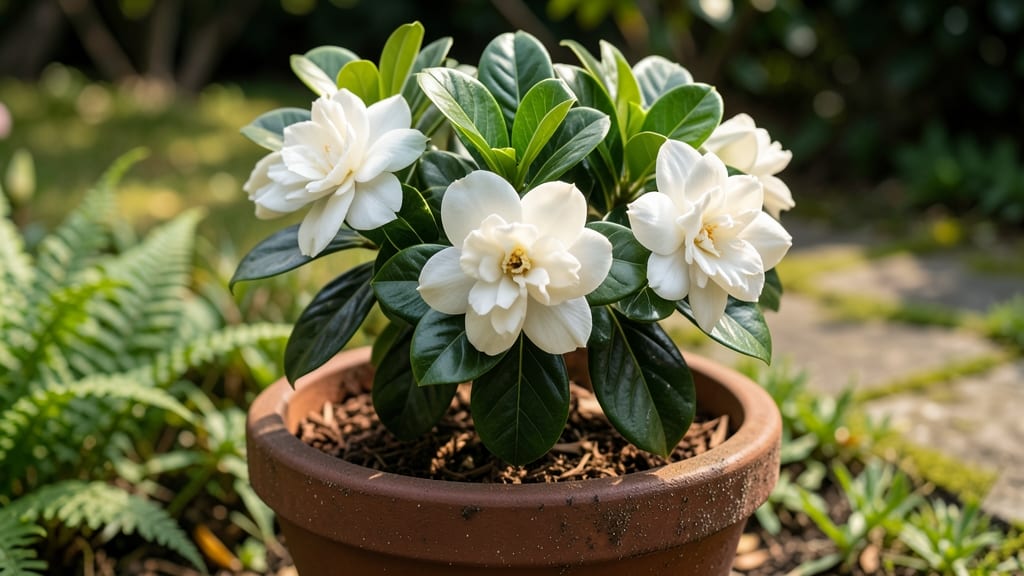
Gardenias bloom once annually in late spring to early summer, producing fragrant white flowers for 4-6 weeks, though some varieties may rebloom lightly with proper care and seasonal triggers like pruning and fertilization.
Most gardenias follow nature's seasonal cues, with their primary bloom triggered by increasing daylight and warming temperatures. 🌸 The timing can shift slightly depending on your climate zone—northern growers might see blooms in June, while southern regions could enjoy them as early as April.
What's fascinating is how these plants use dormancy periods to "reset" their blooming cycles, which is why consistent care matters so much for encouraging those occasional second flushes.
For example, gardenias in USDA Zone 8 typically bloom from May to June, while those in Zone 10 might start as early as March. The key difference lies in how each zone's temperature shifts interact with the plant's internal clock.
I've found that varieties like Gardenia jasminoides often show the most reliable secondary blooming when given proper pruning after their main bloom cycle and regular applications of acidic fertilizer.
💡 In This Article
- Seasonal Factors Influencing Gardenia Blooming Cycles
- Care Techniques to Encourage Frequent Gardenia Blooms
Seasonal factors influencing gardenia blooming cycles
Gardenias rely on a precise balance of daylight and temperature to trigger their blooming cycles. The primary bloom occurs when daylight hours extend beyond 12-14 hours, typically in late spring, as the plant responds to increasing sunlight through a process called photoperiodism.
This natural mechanism is similar to how poinsettias bloom in response to shorter days in winter. The transition from cooler winter temperatures to 65-75°F daytime highs acts as the final cue, signaling the plant to produce flower buds.
Climate zones play a critical role in determining bloom timing and frequency. In cooler regions like USDA Zone 7, gardenias may experience a 4-6 week bloom window starting in June, while tropical Zone 10 plants often begin as early as March.
The key difference lies in how each zone's temperature fluctuations interact with the plant's dormancy period. For example, gardenias in Zone 8 might need a brief winter chill (below 50°F) to reset their blooming cycle, while those in warmer zones may bloom more continuously if given consistent care. 🌿
Dormancy is the secret to understanding gardenia blooming patterns. After their main bloom, gardenias enter a semi-dormant state where they focus energy on root and foliage growth rather than flowers. This period lasts 2-3 months and is essential for storing nutrients that will fuel the next bloom cycle.
Without this rest period, plants may become stressed and produce fewer flowers. For instance, gardenias forced to bloom indoors year-round often show reduced fragrance and smaller blooms because they lack natural seasonal cues.
Temperature shifts also influence bloom quality. Gardenias prefer 60-75°F daytime temperatures but can tolerate brief drops to 50°F. However, sudden temperature swings above 85°F or below 45°F can cause buds to drop before opening.
This is why gardenias in desert climates (like Phoenix) often require afternoon shade during summer months. The right temperature balance ensures the plant's energy goes toward developing strong, fragrant blooms rather than stress responses.
Light exposure is equally critical. Gardenias thrive in bright, indirect light, receiving 4-6 hours of morning sun followed by afternoon shade. Direct afternoon sun can scorch leaves and reduce blooming capacity. In northern climates, gardenias may need supplemental grow lights during winter to maintain their blooming rhythm.
The ideal light condition mimics their native tropical understory habitat, where they receive dappled sunlight through canopy trees.
What most gardeners don't realize is how humidity affects blooming. Gardenias originate from tropical regions where relative humidity stays above 50%. In dry climates, maintaining humidity levels through misting or pebble trays can significantly improve bloom production.
The combination of proper humidity, temperature stability, and light creates the perfect environment for gardenias to produce their signature 4-inch white flowers with their intoxicating fragrance.